Anastasia Beverly Hills Beauty Balm Serum Boosted Skin Tint Versus bareMinerals Complexion Rescue Luminous Skin Tint Stick

What's inside
What's inside
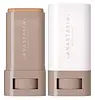 Key Ingredients
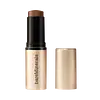
Benefits
Concerns
Ingredients Side-by-side
Caprylic/Capric Triglyceride
Masking


Coco-Caprylate/Caprate
Emollient
Ethylhexyl Isononanoate
EmollientTribehenin
Emollient

C20-40 Alcohols
EmulsifyingButyrospermum Parkii Butter
Skin Conditioning


Corn Starch Modified
AbsorbentPolyester-7
Skin ConditioningLauroyl Lysine
Skin Conditioning
Polymethylsilsesquioxane

Simmondsia Chinensis Seed Oil
Emollient

Hdi/Trimethylol Hexyllactone Crosspolymer
Neopentyl Glycol Diheptanoate
EmollientSilica
Abrasive

Polyethylene
Abrasive
Caprylyl Glycol
Emollient
Cocos Nucifera Oil
Masking
Sclerocarya Birrea Seed Oil
Humectant
Lecithin
Emollient
Dipalmitoyl Hydroxyproline
Skin Conditioning
Astrocaryum Murumuru Seed Butter
Emollient
Tocopheryl Acetate
Antioxidant


Helianthus Annuus Seed Oil
Emollient
Pentaerythrityl Tetraisostearate
Emollient
Palmitic Acid
Emollient
Ricinus Communis Seed Oil
Masking
Sodium Hyaluronate
Humectant


Hydrogenated Castor Oil
Emollient
Polygonum Aviculare Extract
EmollientWater
Skin ConditioningPropylene Carbonate
SolventStearalkonium Hectorite
Gel FormingPalmitoyl Tripeptide-1
Skin Conditioning

Tocopherol
Antioxidant
CI 77891
Cosmetic ColorantIron Oxides
Caprylic/Capric Triglyceride, Coco-Caprylate/Caprate, Ethylhexyl Isononanoate, Tribehenin, C20-40 Alcohols, Butyrospermum Parkii Butter, Corn Starch Modified, Polyester-7, Lauroyl Lysine, Polymethylsilsesquioxane, Simmondsia Chinensis Seed Oil, Hdi/Trimethylol Hexyllactone Crosspolymer, Neopentyl Glycol Diheptanoate, Silica, Polyethylene, Caprylyl Glycol, Cocos Nucifera Oil, Sclerocarya Birrea Seed Oil, Lecithin, Dipalmitoyl Hydroxyproline, Astrocaryum Murumuru Seed Butter, Tocopheryl Acetate, Helianthus Annuus Seed Oil, Pentaerythrityl Tetraisostearate, Palmitic Acid, Ricinus Communis Seed Oil, Sodium Hyaluronate, Hydrogenated Castor Oil, Polygonum Aviculare Extract, Water, Propylene Carbonate, Stearalkonium Hectorite, Palmitoyl Tripeptide-1, Tocopherol, CI 77891, Iron Oxides
C15-19 Alkane
SolventOctyldodecanol
Emollient
Tridecyl Trimellitate
EmollientPentaerythrityl Tetraisostearate
Emollient
Polyethylene
Abrasive
Bis-Diglyceryl Polyacyladipate-2
Emollient
Sucrose Tetrastearate Triacetate
Emollient
Raphanus Sativus Seed Extract
Skin ConditioningMicrocrystalline Wax
Emulsion StabilisingDicalcium Phosphate
Abrasive
Mica
Cosmetic ColorantSilica Silylate
Emollient
Euterpe Oleracea Sterols
Skin ConditioningTocopheryl Acetate
Antioxidant
Disteardimonium Hectorite
StabilisingPentaerythrityl Tetra-Di-T-Butyl Hydroxyhydrocinnamate
Antioxidant
Tin Oxide
Abrasive
Helianthus Annuus Seed Oil
Emollient
Linoleic Acid
Cleansing
CI 77220
Cosmetic ColorantMagnesium Carbonate
AbsorbentOleic Acid
Emollient
Linolenic Acid
Cleansing
Rosmarinus Officinalis Leaf Extract
AntimicrobialHydrogenated Ethylhexyl Olivate
EmollientHydrogenated Olive Oil Unsaponifiables
Emollient
CI 77491
Cosmetic ColorantCI 77492
Cosmetic ColorantCI 77499
Cosmetic ColorantCI 42090
Cosmetic ColorantC15-19 Alkane, Octyldodecanol, Tridecyl Trimellitate, Pentaerythrityl Tetraisostearate, Polyethylene, Bis-Diglyceryl Polyacyladipate-2, Sucrose Tetrastearate Triacetate, Raphanus Sativus Seed Extract, Microcrystalline Wax, Dicalcium Phosphate, Mica, Silica Silylate, Euterpe Oleracea Sterols, Tocopheryl Acetate, Disteardimonium Hectorite, Pentaerythrityl Tetra-Di-T-Butyl Hydroxyhydrocinnamate, Tin Oxide, Helianthus Annuus Seed Oil, Linoleic Acid, CI 77220, Magnesium Carbonate, Oleic Acid, Linolenic Acid, Rosmarinus Officinalis Leaf Extract, Hydrogenated Ethylhexyl Olivate, Hydrogenated Olive Oil Unsaponifiables, CI 77491, CI 77492, CI 77499, CI 42090
Reviews
Ingredients Explained
These ingredients are found in both products.
Ingredients higher up in an ingredient list are typically present in a larger amount.
Helianthus Annuus Seed Oil is a plant oil derived from the seeds of a sunflower.
It is rich in fatty acids, primarily linoleic acid and oleic acid. This gives it emollient and skin conditioning properties.
The reason this ingredient is so effective is because it forms a thin film on the skin that reduces transepidermal water loss (TEWL) while supplying linoleic acid to the stratum corneum to improve barrier strength.
The high linoleic acid content is particularly noteworthy for acne-prone skin.
Research suggests that acne-prone skin tends to be deficient in linoleic acid in sebum. Topical application may help replenish this to support a healthier follicular environment and less comedone-promoting sebum.
One randomized study found sunflower seed oil preserved skin barrier integrity in adult volunteers with and without atopic dermatitis (outperforming olive oil).
This ingredient is well-studied, gentle, and an effective emollient suitable for most skin types.
On fungal acne: This ingredient may not be Fungal acne (Malassezia folliculitis) safe. This is because it contains fatty acids with carbon chain lengths in the C11-C24 range.
Learn more about Helianthus Annuus Seed OilPentaerythrityl Tetraisostearate is a synthetic emollient and "skin-feel" ingredient that spreads well and leaves a non-sticky finish with high gloss.
In makeup, it also doubles as a pigment-wetting agent for better color payoff.
It's a well-vetted ingredient for safety and does not penetrate into skin due to its large molecule size.
Because it's a long-chain fatty acid ester, this ingredient may not be fungal acne or Malassezia safe.
Learn more about Pentaerythrityl TetraisostearatePolyethylene is a synthetic ingredient that helps the skin retain moisture. It is a polymer.
It is also typically used within product formulations to help bind solid ingredients together and thicken oil-based ingredients. When added to balms and emulsions, it helps increase the melting point temperature.
Tocopheryl Acetate is a stable, shelf-friendly form of vitamin E.
Formulators love it because plain vitamin E oxidizes quickly once it hits air. This acetate version stays stable and resists going off, helping to extend a product's shelf life.
It's actually inactive on its own and works like a slow-release "storage" form; the enzymes in your skin called esterases gradually convert it into active vitamin E over time.
One in vivo study showed 5% of the acetate in the living layer of the epidermis converted to vitamin E after 5 days of application. This study also found the skin gained protection against UV damage even though the conversion was slow and small.
Once converted, vitamin E acts as a skin's main fat-soluble antioxidant that fights free radicals to protect skin from damage.
Topical vitamin E generally boosts the skin's photoprotection, and it reduced UV-damage in animal models.
This ingredient has some brightening potential but it's more of a prevention ingredient than spot-fader. Cell studies show it can slow down melanin production but it's worth noting that it's not the most powerful brightener out there.
Overall, it has a pretty solid safety profile and has been found to be non-irritating and non-comedogenic. Allergic reactions may happen but stay rare due to how widely the ingredient gets used.
The concentration will vary depending on the formula; industry data shows 0.1% in baby lotions, 3% in lipsticks, and 5% in foot powders. You can also find this ingredient at 100% in a pure vitamin E oil.
Most leave-on skincare keeps it at the lower end, often between 0.5-1%.
Learn more about Tocopheryl Acetate

