bareMinerals Complexion Rescue Luminous Skin Tint Stick Versus Westman Atelier Vital Skin Foundation Stick

What's inside
What's inside
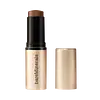 Key Ingredients
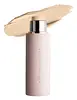
Benefits
Concerns
Ingredients Side-by-side
C15-19 Alkane
SolventOctyldodecanol
Emollient
Tridecyl Trimellitate
EmollientPentaerythrityl Tetraisostearate
Emollient

Polyethylene
Abrasive

Bis-Diglyceryl Polyacyladipate-2
Emollient
Sucrose Tetrastearate Triacetate
Emollient
Raphanus Sativus Seed Extract
Skin ConditioningMicrocrystalline Wax
Emulsion StabilisingDicalcium Phosphate
Abrasive
Mica
Cosmetic ColorantSilica Silylate
Emollient
Euterpe Oleracea Sterols
Skin ConditioningTocopheryl Acetate
Antioxidant


Disteardimonium Hectorite
StabilisingPentaerythrityl Tetra-Di-T-Butyl Hydroxyhydrocinnamate
Antioxidant
Tin Oxide
Abrasive
Helianthus Annuus Seed Oil
Emollient
Linoleic Acid
Cleansing



CI 77220
Cosmetic ColorantMagnesium Carbonate
AbsorbentOleic Acid
Emollient

Linolenic Acid
Cleansing

Rosmarinus Officinalis Leaf Extract
AntimicrobialHydrogenated Ethylhexyl Olivate
EmollientHydrogenated Olive Oil Unsaponifiables
Emollient
CI 77491
Cosmetic ColorantCI 77492
Cosmetic ColorantCI 77499
Cosmetic ColorantCI 42090
Cosmetic ColorantC15-19 Alkane, Octyldodecanol, Tridecyl Trimellitate, Pentaerythrityl Tetraisostearate, Polyethylene, Bis-Diglyceryl Polyacyladipate-2, Sucrose Tetrastearate Triacetate, Raphanus Sativus Seed Extract, Microcrystalline Wax, Dicalcium Phosphate, Mica, Silica Silylate, Euterpe Oleracea Sterols, Tocopheryl Acetate, Disteardimonium Hectorite, Pentaerythrityl Tetra-Di-T-Butyl Hydroxyhydrocinnamate, Tin Oxide, Helianthus Annuus Seed Oil, Linoleic Acid, CI 77220, Magnesium Carbonate, Oleic Acid, Linolenic Acid, Rosmarinus Officinalis Leaf Extract, Hydrogenated Ethylhexyl Olivate, Hydrogenated Olive Oil Unsaponifiables, CI 77491, CI 77492, CI 77499, CI 42090
Caprylic/Capric Triglyceride
Masking
Isononyl Isononanoate
EmollientIsodecyl Neopentanoate
EmollientDicalcium Phosphate
Abrasive
Microcrystalline Wax
Emulsion StabilisingSqualane
Emollient
Polyethylene
Abrasive
Vp/Hexadecene Copolymer
Synthetic Wax
Abrasive
Disteardimonium Hectorite
StabilisingHydrogenated Polyisobutene
EmollientSilica
Abrasive
Nylon-12

Camellia Oleifera Seed Oil
Skin Conditioning
Hydrogenated Coconut Oil
Emollient
Phytosphingosine
Skin Conditioning
Butyl Stearate
Emollient
Isostearyl Alcohol
Emollient
Alcohol
Antimicrobial


Water
Skin ConditioningPentaerythrityl Tetra-Di-T-Butyl Hydroxyhydrocinnamate
Antioxidant
Butylene/Ethylene/Styrene Copolymer
Ethylene/Propylene/Styrene Copolymer
Mica
Cosmetic ColorantDibutyl Lauroyl Glutamide
Skin ConditioningRubus Idaeus Leaf Cell Culture
Skin ConditioningTin Oxide
Abrasive
Caprylic/Capric Triglyceride, Isononyl Isononanoate, Isodecyl Neopentanoate, Dicalcium Phosphate, Microcrystalline Wax, Squalane, Polyethylene, Vp/Hexadecene Copolymer, Synthetic Wax, Disteardimonium Hectorite, Hydrogenated Polyisobutene, Silica, Nylon-12, Camellia Oleifera Seed Oil, Hydrogenated Coconut Oil, Phytosphingosine, Butyl Stearate, Isostearyl Alcohol, Alcohol, Water, Pentaerythrityl Tetra-Di-T-Butyl Hydroxyhydrocinnamate, Butylene/Ethylene/Styrene Copolymer, Ethylene/Propylene/Styrene Copolymer, Mica, Dibutyl Lauroyl Glutamide, Rubus Idaeus Leaf Cell Culture, Tin Oxide
Alternatives
Ingredients Explained
These ingredients are found in both products.
Ingredients higher up in an ingredient list are typically present in a larger amount.
This ingredient is a mineral salt of calcium and phosphate. It is mainly used as a mild abrasive and sometimes used to add opacity to a formula.
Disteardimonium Hectorite comes from the clay mineral named hectorite. It is used to add thickness to a product.
It can also help stabilize a product by helping to disperse other ingredients.
Hectorite is a rare, white clay mineral.
Learn more about Disteardimonium HectoriteMica is a naturally occurring mineral used to add shimmer and color in cosmetics. It can also help improve the texture of a product or give it an opaque, white/silver color.
Serecite is the name for very fine but ragged grains of mica.
This ingredient is often coated with metal oxides like titanium dioxide. Trace amounts of heavy metals may be found in mica, but these metals are not harmful in our personal products.
Mica has been used since prehistoric times throughout the world. Ancient Egyptian, Indian, Greek, Roman, Aztec, and Chinese civilizations have used mica.
Learn more about MicaMicrocrystalline Wax is derived from petroleum through a de-oiling process, then highly refined and purified before use in cosmetics.
In skincare formulations, it is used to improve texture and create a smooth, even consistency. It also helps stabilize products by preventing ingredients from separating.
Pentaerythrityl Tetra-Di-T-Butyl Hydroxyhydrocinnamate (long name, huh?) is a synthetic antioxidant.
It is used to help stabilize other antioxidants or prevent the color from changing in a product.
As an antioxidant, it helps fight free-radical molecules. Free-radical molecules are capable of damaging our cells and other genetic material. Thus, antioxidants may reduce the signs of aging.
This ingredient is oil-soluble.
Learn more about Pentaerythrityl Tetra-Di-T-Butyl HydroxyhydrocinnamatePolyethylene is a synthetic ingredient that helps the skin retain moisture. It is a polymer.
It is also typically used within product formulations to help bind solid ingredients together and thicken oil-based ingredients. When added to balms and emulsions, it helps increase the melting point temperature.
Tin Oxide is an inorganic oxide used to add opacity and volume to a product. In nature, it is already found in mineral form. The main ore of tin is an opaque and shiny mineral called casseterite.
Tin Oxide helps remove translucency in a product, or make it more opaque. Besides adding opacity, tin oxide is used for bulking to add volume.


