

What's inside
What's inside
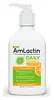 Key Ingredients
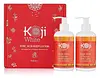
Benefits
Concerns
Ingredients Side-by-side
Water
Skin ConditioningAmmonium Lactate
Buffering

Squalene
Emollient


Niacinamide
Smoothing











Glycerin
Humectant
Propanediol
Solvent
Coconut Alkanes
Emollient


Sodium Lactate
Buffering
Potassium Lactate
BufferingCetearyl Alcohol
Emollient

Candelilla/Jojoba/Rice Bran Polyglyceryl-3 Esters
Emulsifying
Glyceryl Stearate
Emollient
Aminopropyl Ascorbyl Phosphate
Antioxidant

Sodium Stearoyl Lactylate
EmulsifyingHydroxyethyl Acrylate/Sodium Acryloyldimethyl Taurate Copolymer
Emulsion StabilisingGlycereth-5 Lactate
EmollientPolysorbate 60
Emulsifying
PEG-7 Trimethylolpropane Coconut Ether
Emulsifying
Polyisobutene
Xanthan Gum
EmulsifyingCitric Acid
Buffering
Sodium Hydroxide
BufferingSodium Benzoate
Masking
Disodium EDTA
ChelatingWater, Ammonium Lactate, Squalene, Niacinamide, Glycerin, Propanediol, Coconut Alkanes, Sodium Lactate, Potassium Lactate, Cetearyl Alcohol, Candelilla/Jojoba/Rice Bran Polyglyceryl-3 Esters, Glyceryl Stearate, Aminopropyl Ascorbyl Phosphate, Sodium Stearoyl Lactylate, Hydroxyethyl Acrylate/Sodium Acryloyldimethyl Taurate Copolymer, Glycereth-5 Lactate, Polysorbate 60, PEG-7 Trimethylolpropane Coconut Ether, Polyisobutene, Xanthan Gum, Citric Acid, Sodium Hydroxide, Sodium Benzoate, Disodium EDTA
Water
Skin ConditioningPropylene Glycol
Humectant
Isopropyl Palmitate
Emollient
Oryza Sativa Bran Oil
Emollient
Glyceryl Stearate
Emollient
Cetearyl Alcohol
Emollient
Dimethicone
Emollient
Paraffinum Liquidum
Emollient
Phenoxyethanol
Preservative
PEG-100 Stearate
Surfactant
Urea
Buffering
Xanthan Gum
EmulsifyingPEG-40 Hydrogenated Castor Oil
Emulsifying
Parfum
Masking

Chlorphenesin
Antimicrobial
Sodium Cetearyl Sulfate
Cleansing
Kojic Acid
Antioxidant
Disodium EDTA
ChelatingTocopheryl Acetate
Antioxidant
Cocos Nucifera Oil
Masking
Olea Europaea Fruit Oil
Masking
Panthenol
Skin Conditioning
Glycerin
Humectant
Polyglutamic Acid
Skin Conditioning
Carica Papaya Fruit Extract
Skin ConditioningButylene Glycol
Humectant
Arbutin
Antioxidant
Citric Acid
Buffering
Sodium Sulfite
Preservative
Acetyl Tyrosine
Skin ConditioningSaxifraga Sarmentosa Extract
Skin ConditioningPaeonia Suffruticosa Root Extract
Skin ProtectingAminopropyl Ascorbyl Phosphate
Antioxidant
Scutellaria Baicalensis Root Extract
Astringent
Glutathione
Water, Propylene Glycol, Isopropyl Palmitate, Oryza Sativa Bran Oil, Glyceryl Stearate, Cetearyl Alcohol, Dimethicone, Paraffinum Liquidum, Phenoxyethanol, PEG-100 Stearate, Urea, Xanthan Gum, PEG-40 Hydrogenated Castor Oil, Parfum, Chlorphenesin, Sodium Cetearyl Sulfate, Kojic Acid, Disodium EDTA, Tocopheryl Acetate, Cocos Nucifera Oil, Olea Europaea Fruit Oil, Panthenol, Glycerin, Polyglutamic Acid, Carica Papaya Fruit Extract, Butylene Glycol, Arbutin, Citric Acid, Sodium Sulfite, Acetyl Tyrosine, Saxifraga Sarmentosa Extract, Paeonia Suffruticosa Root Extract, Aminopropyl Ascorbyl Phosphate, Scutellaria Baicalensis Root Extract, Glutathione
Ingredients Explained
These ingredients are found in both products.
Ingredients higher up in an ingredient list are typically present in a larger amount.
Aminopropyl Ascorbyl Phosphate (AAP) is a form of Vitamin C. AAP was made as a more stable alternative to Ascorbic Acid by combining Ascorbic Acid (pure Vitamin C) with 3-aminoproply dehydrogen phosphate.
As a type of Vitamin C, it has antioxidant properties. Antioxidants help fight free-radical molecules, or molecules that may damage your skin cells.
AAP has been shown to help reduce signs of hyperigmentation and age-spots.
AAP is water soluble.
Vitamin C can help to reduce redness, improve skin texture, reduce the effects of aging, and reduce the visibility of dark spots.
Read more about other types of Vitamin C:
Learn more about Aminopropyl Ascorbyl PhosphateCetearyl alcohol is a waxy mixture of two fatty alcohols: cetyl alcohol and stearyl alcohol. It is an emollient and emulsifier.
Despite having "alcohol" in its name, it has nothing to do with drying solvent alcohols; the FDA also allows "alcohol-free" products to contain fatty alcohols like this ingredient.
It plays several roles in a formula:
Typical use levels for this ingredient sit around 1-10% and the Cosmetic Ingredient Review Expert Panel has affirmed safety at concentrations up to 25% in leave-on products.
Multiple assessments have found it to be non-irritating and non-sensitizing to most people.
However, there have been some cases of allergic contact dermatitis in patients with chronically compromised skin barriers.
Cetearyl alcohol has a comedogenic rating of 2 and irritancy rating of 1. Both of these numbers come from the 1989 study that used rabbit ears; a "2" means mildly comedogenic and a "1" means low irritancy.
Here's the catch: rabbit skin is more sensitive than human skin and throws a lot of false positives. A 1996 reappraisal found that ingredients rated 1-2 in the rabbit ear tests are generally safe for humans.
Remember comedogenic ratings are unable to assess the entire formula of a product or how it will react on your skin. Just be sure to patch test if you are unsure about certain ingredients.
This ingredient is not fungal acne safe. Cetearyl alcohol is a fatty alcohol with chain lengths that fall within the range that Malassezia can metabolize.
A 2019 study has also observed Malassezia growth in the presence of this ingredient, confirming it to be not-fungal acne safe.
Learn more about Cetearyl AlcoholCitric Acid is an alpha hydroxy acid (AHA) naturally found in citrus fruits like oranges, lemons, and limes.
Like other AHAs, citric acid can exfoliate skin by breaking down the bonds that hold dead skin cells together. This helps reveal smoother and brighter skin underneath.
However, this exfoliating effect only happens at high concentrations (20%) which can be hard to find in cosmetic products.
Due to this, citric acid is usually included in small amounts as a pH adjuster. This helps keep products slightly more acidic and compatible with skin's natural pH.
In skincare formulas, citric acid can:
While it can provide some skin benefits, research shows lactic acid and glycolic acid are generally more effective and less irritating exfoliants.
Most citric acid used in skincare today is made by fermenting sugars (usually from molasses). This synthetic version is identical to the natural citrus form but easier to stabilize and use in formulations.
Rosacea skin has a lower threshold for acids generally, with 62.5% of rosacea subjects in one study reacting to lactic acid in a sting test. This is why we mark citric acid as a potential rosacea trigger.
However, this ingredient shows up as a pH adjuster or chelator at roughly 0.1-1% in many products. These low levels are unlikely to be an issue for rosacea skin and becomes a potential trigger at exfoliating concentrations (20%). Because everybody's skin is unique, we recommend a patch test if you are unsure.
Learn more about Citric AcidDisodium EDTA is a chelating agent. It grabs onto and deactivates metal ions that sneak into your products from water, packaging, or air.
This ingredient mainly works behind the scenes and helps with:
On top of that, this ingredient can counteract the effects of hard water by binding to the minerals in it.
One thing worth knowing is that Disodium EDTA has been shown to be a mild penetration enhancer. It can help other ingredients absorb into skin more effectively which can be a double-edged sword (great for actives, but can also make the active too strong if you have sensitive skin).
Clinical patch testing showed no significant skin irritation at typical use concentrations and minimal dermal absorption.
You'll most likely see this ingredient near the end of an ingredient list. It's typically found in concentrations less than 1%.
Learn more about Disodium EDTAGlycerin (or glycerol) is a compound naturally found in your skin. It's a powerhouse humectant that pulls water into the stratum corneum.
Topically, glycerin does several things at once:
Your skin makes glycerin on its own (mostly from sebaceous oil breakdown) and shuttles it to your outermost layer of skin, or your epidermis, via aquaporin-3.
Aquaporin-3 is a transporter that is essential for normal skin hydration, elasticity, and repair. Interestingly, mice lacking in AQP3 have dry and less elastic skin that can be fully corrected with glycerin.
This ingredient is non-irritating, plays well with almost every ingredient, and works across all skin types. Typical use is anywhere between 3-10% but can go up to 79% in some leave-on products.
Just know very high concentrations (>40%) can feel tacky in low humidity.
Glycerin is the name for this ingredient in American English. British English uses Glycerol/Glycerine.
Learn more about GlycerinGlyceryl Stearate is made by reacting glycerin with stearic acid (typically sourced from plant oils like palm or coconut). It's an emulsifier, emollient, and mild occlusive.
Emulsifiers help ingredients like oil and water stay mixed so your formula stays nicely blended and uniform in texture.
This ingredient is typically used in concentrations between 1-10%. Studies have found it to be non-sensitizing, non-phototoxic, and non-photoallergenic.
A close cousin of this ingredient is Glyceryl Stearate SE ("self-emulsifying"). This just has a small amount of sodium or potassium stearate added so it can emulsify without a co-emulsifier.
Since this ingredient is an ester of a C18 fatty acid, it may not be fungal acne safe. The Malassezia yeast can potentially metabolize within the C11-C24 range.
Fun fact: The human body also creates Glyceryl Stearate naturally.
Learn more about Glyceryl StearateWater. It's the most common cosmetic ingredient of all. You'll usually see it at the top of ingredient lists, meaning that it makes up the largest part of the product.
So why is it so popular? Water most often acts as a solvent - this means that it helps dissolve other ingredients into the formulation.
You'll also recognize water as that liquid we all need to stay alive. If you see this, drink a glass of water. Remember to stay hydrated!
Learn more about WaterXanthan gum is used as a stabilizer and thickener within cosmetic products. It helps give products a sticky, thick feeling - preventing them from being too runny.
On the technical side of things, xanthan gum is a polysaccharide - a combination consisting of multiple sugar molecules bonded together.
Xanthan gum is a pretty common and great ingredient. It is a natural, non-toxic, non-irritating ingredient that is also commonly used in food products.
Learn more about Xanthan Gum

