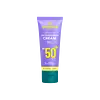
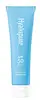
Amaterasun UV Sunscreen Cream SPF 50+ PA++++ Versus Hyalupure 9X Hyaluronic Acid Light Sun Serum SPF 50
This chemical sunscreen covers most of the UV range, lighter on the deep UVA that drives aging, though its SPF isn't confirmed on file yet.
This chemical sunscreen covers most of the UV range, lighter on the deep UVA that drives aging.

What's inside
What's inside
 Key Ingredients
Benefits
Concerns
Ingredients Side-by-side
Water
Skin ConditioningButyl Methoxydibenzoylmethane
UV Absorber
Ethylhexyl Salicylate
UV Absorber
Ethylhexyl Triazone
UV Absorber
Ethylhexyl Methoxycinnamate
UV Absorber
Methyl Methacrylate Crosspolymer

Polyglyceryl-4 Caprate
EmulsifyingPhenoxyethanol
Preservative
Polyacrylic Acid
Emulsion StabilisingTriethanolamine
BufferingGlycerin
Humectant


Citric Acid
Buffering


Ethylhexylglycerin
Skin ConditioningParfum
Masking


Helianthus Annuus Seed Oil
Emollient

Hedychium Coronarium Root Extract
MaskingSodium Polyglutamate
HumectantEthyl Ferulate
Antioxidant
Rosmarinus Officinalis Leaf Extract
AntimicrobialTocopherol
Antioxidant



Hydrolyzed Hyaluronic Acid
Humectant
Water, Butyl Methoxydibenzoylmethane, Ethylhexyl Salicylate, Ethylhexyl Triazone, Ethylhexyl Methoxycinnamate, Methyl Methacrylate Crosspolymer, Polyglyceryl-4 Caprate, Phenoxyethanol, Polyacrylic Acid, Triethanolamine, Glycerin, Citric Acid, Ethylhexylglycerin, Parfum, Helianthus Annuus Seed Oil, Hedychium Coronarium Root Extract, Sodium Polyglutamate, Ethyl Ferulate, Rosmarinus Officinalis Leaf Extract, Tocopherol, Hydrolyzed Hyaluronic Acid
Water
Skin ConditioningGlycerin
Humectant
Methylpropanediol
SolventCyclopentasiloxane
Emollient
Ethylhexyl Salicylate
UV Absorber
Ethylhexyl Methoxycinnamate
UV Absorber
Phenylbenzimidazole Sulfonic Acid
UV Absorber
Octocrylene
UV Absorber
Triethanolamine
BufferingEthylhexyl Triazone
UV Absorber
Glycereth-26
Humectant
Potassium Cetyl Phosphate
EmulsifyingButyl Methoxydibenzoylmethane
UV Absorber
Dimethicone
Emollient
Cetearyl Glucoside
Emulsifying
1,2-Hexanediol
Skin Conditioning
Hydroxyacetophenone
Antioxidant
Glyceryl Stearate
Emollient
PEG-100 Stearate
Surfactant
Sorbitan Olivate
Emulsifying
Acrylates/C10-30 Alkyl Acrylate Crosspolymer
Emulsion StabilisingAmmonium Acryloyldimethyltaurate/Vp Copolymer
Polyglyceryl-6 Distearate
Emulsifying
Cetearyl Dimethicone Crosspolymer
Vp/Va Copolymer
PEG/PPG-17/6 Copolymer
SolventDianthus Chinensis Extract
HumectantPaeonia Suffruticosa Root Extract
Skin ProtectingAllantoin
Skin Conditioning
Jojoba Esters
Emollient
Glyceryl Glucoside
Humectant
Cetyl Alcohol
Emollient

Polyglyceryl-3 Beeswax
Emulsifying
Alumina
Abrasive
Triethoxycaprylylsilane
Sodium Hyaluronate
Humectant
Lactobacillus Ferment Lysate
Skin Conditioning
Bifida Ferment Lysate
Skin Conditioning
Streptococcus Thermophilus Ferment
Humectant
Butylene Glycol
Humectant
Hydrogenated Lecithin
Emulsifying
Hydroxypropyltrimonium Hyaluronate
Sodium Acetylated Hyaluronate
Humectant
Hydrolyzed Hyaluronic Acid
Humectant
Ceramide AP
Skin Conditioning
Ceramide EOP
Skin Conditioning
Ceramide NP
Skin Conditioning
Sodium Hyaluronate Crosspolymer
Humectant
Hydrolyzed Sodium Hyaluronate
Skin Conditioning
Sodium Hyaluronate Dimethylsilanol
HumectantDimethylsilanol Hyaluronate
Humectant
Potassium Hyaluronate
Skin ConditioningWater, Glycerin, Methylpropanediol, Cyclopentasiloxane, Ethylhexyl Salicylate, Ethylhexyl Methoxycinnamate, Phenylbenzimidazole Sulfonic Acid, Octocrylene, Triethanolamine, Ethylhexyl Triazone, Glycereth-26, Potassium Cetyl Phosphate, Butyl Methoxydibenzoylmethane, Dimethicone, Cetearyl Glucoside, 1,2-Hexanediol, Hydroxyacetophenone, Glyceryl Stearate, PEG-100 Stearate, Sorbitan Olivate, Acrylates/C10-30 Alkyl Acrylate Crosspolymer, Ammonium Acryloyldimethyltaurate/Vp Copolymer, Polyglyceryl-6 Distearate, Cetearyl Dimethicone Crosspolymer, Vp/Va Copolymer, PEG/PPG-17/6 Copolymer, Dianthus Chinensis Extract, Paeonia Suffruticosa Root Extract, Allantoin, Jojoba Esters, Glyceryl Glucoside, Cetyl Alcohol, Polyglyceryl-3 Beeswax, Alumina, Triethoxycaprylylsilane, Sodium Hyaluronate, Lactobacillus Ferment Lysate, Bifida Ferment Lysate, Streptococcus Thermophilus Ferment, Butylene Glycol, Hydrogenated Lecithin, Hydroxypropyltrimonium Hyaluronate, Sodium Acetylated Hyaluronate, Hydrolyzed Hyaluronic Acid, Ceramide AP, Ceramide EOP, Ceramide NP, Sodium Hyaluronate Crosspolymer, Hydrolyzed Sodium Hyaluronate, Sodium Hyaluronate Dimethylsilanol, Dimethylsilanol Hyaluronate, Potassium Hyaluronate
Ingredients Explained
These ingredients are found in both products.
Ingredients higher up in an ingredient list are typically present in a larger amount.
Also known as Avobenzone, this ingredient is an oil-soluble used to absorb the full spectrum of UVA rays (peak 357 nm).
It's one of the most effective UVA filters available but has a major caveat of photostability: avobenzone is susceptible to photodegradation.
This means it can lose efficacy when exposed to sunlight without the help of a stabilizing agent.
Studies show antioxidants (like vitamin E or vitamin C) and some UV filters (like octocrylene and Tinosorb S) can meaningfully improve its stability in a formulation.
The maximum allowable concentration according to regulation is 3% in the US + Canada, and 5% in the EU, Australia, China, Korea, and ASEAN countries.
It has a well-support safety profile: a comprehensive 2025 review found minimal toxicity with no evidence of carcinogenicity.
Overall, avobenzone is a safe and regulated ingredient used in sunscreen for over 40 years.
Learn more about Butyl MethoxydibenzoylmethaneThis ingredient is also known as Octinoxate and is one of the oldest and most widely used chemical UV filters in skincare.
It has a simple job: soap up UVB radiation (290-320 nm), the wavelengths responsible for sunburn and a big chunk of long-term sun damage.
In formulas, it's always paired with a separate UVA filter because octinoxate solely protects skin from UVB.
Because it's an oil-soluble liquid, it's easy to blend into the oil phase of lotions/creams and gives a cosmetically elegant feel.
The one quirk about formulating this ingredient is photostability; the molecule slowly changes shape into a less effective version when sunlight hits it. So the longer you're in the sun, the weaker its protection gets. The drop can be more than 30% in some formulas.
It also doesn't play nice with Avobenzone (the common UVA filter) since avobenzone destabilizes octinoxate and the two degrade each other. But don't worry: brands have solved this issue by adding photostabilizers like Tinosorb S to prevent degradation and keep SPF stable under heavy UV exposure.
The maximum allowed level is 10% in the EU and Australia, 7.5% in the US and Canada, and 20% in Japan.
The Cosmetic Ingredient Review Panel has concluded this ingredient to be safe in cosmetics up to 10%.
One last thing worth knowing for context:
Octinoxate has been the subject of ongoing review in Europe where the Scientific Committee on Consumer Safety's (SCCS) 2025 final opinion is that this ingredient is an endocrine-active substance.
Lab and animal studies suggest it can act a bit like a hormone in the body (mildly mimicking estrogen and slightly blocking male hormones). It's important to know this hasn't really been shown to happen in everyday human use.
This ingredient is also banned in Hawaii over coral reef concerns.
Learn more about Ethylhexyl MethoxycinnamateEthylhexyl Salicylate (also called Octisalate or Octyl Salicylate) is an oil-soluble organic UV filter that's been used in sunscreen since the 1950's.
It absorbs UVB light in the 280-320 nm range with a peak absorbance around 306 nm.
You'll often see it paired with other UV filters to boost overall SPF because octisalate is a fairly week filter on its own.
The reason you'll see it so often is because it can help solubilize and stabilize the trickier filters like oxybenzone and avobenzone.
Unlike these filters, octisalate has pretty good photostability and doesn't create skin-damaging free radicals when exposed to sunlight.
The fatty-alcohol part of the molecule also gives it a light, emollient feel so it doubles as a nice texture enhancer.
Usage levels vary around the world:
Safety-wise, this ingredient has a pretty reassuring track record. The EU's Scientific Committee on Consumer Products (SCCP) found very low skin penetration in human skin tests and negative results for irritation, phototoxicity, and photoallergy.
The real-world allergy risk is pretty low too; a 2012 European study of 1,031 people recorded only 2 reactions to it (a rate of 0.19%).
You might have seen scary headlines about sunscreen getting into your blood.
In 2019, the FDA found that several chemical filters can absorb through the skin and show up in the bloodstream at small but measurable levels.
Here's the important part: these tiny levels are just a cutoff the FDA uses to decide which ingredients need more testing and doesn't mean anything harmful was found.
The researchers were clear that the results are no reason to stop wearing sunscreen.
Learn more about Ethylhexyl SalicylateEthylhexyl Triazone (aka Octyl Triazone) is an oil-soluble organic UVB filter. It has peak absorption around 314 nm, right in the middle of the UVB range.
This ingredient is described as one of the most effective UVB filters available and small concentrations are enough to deliver a high SPF thanks to its strong UV absorbing power.
Formulators love it for its stability; its ability to filter UV stays practically unchanged even under intense radiation and it can also help boost the photostability of less stable filters like avobenzone.
It's also a great pick for water resistant products because it's insoluble in water and has a good affinity for keratin.
Because it's a big, heavy molecule, the European Scientific Committee has found to to have very low dermal penetration and negative results for allergenicity.
In vitro testing also showed a low absorption rate and clean results on irritation.
Typical use levels are 1-5% with 5% being the maximum in the EU, Japan, and other markets that allow it. However, this ingredient is not approved yet in the US or Canada.
Learn more about Ethylhexyl TriazoneGlycerin (or glycerol) is a compound naturally found in your skin. It's a powerhouse humectant that pulls water into the stratum corneum.
Topically, glycerin does several things at once:
Your skin makes glycerin on its own (mostly from sebaceous oil breakdown) and shuttles it to your outermost layer of skin, or your epidermis, via aquaporin-3.
Aquaporin-3 is a transporter that is essential for normal skin hydration, elasticity, and repair. Interestingly, mice lacking in AQP3 have dry and less elastic skin that can be fully corrected with glycerin.
This ingredient is non-irritating, plays well with almost every ingredient, and works across all skin types. Typical use is anywhere between 3-10% but can go up to 79% in some leave-on products.
Just know very high concentrations (>40%) can feel tacky in low humidity.
Glycerin is the name for this ingredient in American English. British English uses Glycerol/Glycerine.
Learn more about GlycerinHydrolyzed Hyaluronic Acid is hyaluronic acid (HA) that is broken down into lower molecular weight fragments.
It's a humectant that pulls and holds water in the skin to help with hydration, plumpness, and reduce transepidermal water loss.
Because hydrolyzed hyaluronic acid is smaller in size, it can slip past your outermost layer of skin more easily than full-sized HA.
Most formulations will combine all sizes to get the best of both worlds.
Typical usage levels range from 0.01-1%. Any percentage higher than 2% might become goopy and tacky.
Learn more about Hydrolyzed Hyaluronic AcidTriethanolamine (TEA) is an emulsifier and pH adjuster. It is created using ethylene oxide and ammonia. This gives Triethanolamine a nitrogen core and a similar scent to ammonia.
As an emulsifier, it prevents ingredients from separating and enhances texture by adding volume to a product.
PH adjusters are common in cosmetic products. The pH of a product can affect the effectiveness of other ingredients. A product with a high pH may also irritate the skin.
If you are looking for the tea leaf ingredient, click here.
Learn more about TriethanolamineWater. It's the most common cosmetic ingredient of all. You'll usually see it at the top of ingredient lists, meaning that it makes up the largest part of the product.
So why is it so popular? Water most often acts as a solvent - this means that it helps dissolve other ingredients into the formulation.
You'll also recognize water as that liquid we all need to stay alive. If you see this, drink a glass of water. Remember to stay hydrated!
Learn more about Water

