Aesop Lightweight Facial Hydrating Serum Versus Clarins Double Serum Complete Age Control Concentrate
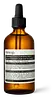
This hydrating serum is formulated around Aloe Barbadensis Leaf Juice and Panthenol to hydrate skin and calm redness.
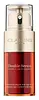
This anti-aging serum is formulated around Squalane to soften the look of wrinkles and hydrate skin.


What's inside
What's inside
 Key Ingredients
Benefits
Concerns
Ingredients Side-by-side
Aloe Barbadensis Leaf Juice
Skin Conditioning


Water
Skin ConditioningPEG-40 Hydrogenated Castor Oil
Emulsifying


PEG-150 Distearate
Emulsifying
Sorbitol
Humectant
Phenoxyethanol
Preservative
Ethylhexylglycerin
Skin ConditioningPolysorbate 80
Emulsifying
Panthenol
Skin Conditioning
Cananga Odorata Flower Oil
Masking




Citric Acid
Buffering

Polysorbate 20
Emulsifying
Sodium Ascorbyl Phosphate
Antioxidant




Sodium Dehydroacetate
Preservative
Camellia Sinensis Leaf Extract
Antimicrobial
Linalool
Perfuming
Benzyl Benzoate
Antimicrobial
Benzyl Salicylate
Perfuming
Farnesol
Perfuming
Geraniol
Perfuming
Eugenol
Perfuming
Benzyl Alcohol
Perfuming
Isoeugenol
Perfuming
Aloe Barbadensis Leaf Juice, Water, PEG-40 Hydrogenated Castor Oil, PEG-150 Distearate, Sorbitol, Phenoxyethanol, Ethylhexylglycerin, Polysorbate 80, Panthenol, Cananga Odorata Flower Oil, Citric Acid, Polysorbate 20, Sodium Ascorbyl Phosphate, Sodium Dehydroacetate, Camellia Sinensis Leaf Extract, Linalool, Benzyl Benzoate, Benzyl Salicylate, Farnesol, Geraniol, Eugenol, Benzyl Alcohol, Isoeugenol
Water
Skin ConditioningCetearyl Isononanoate
Emollient
Glycerin
Humectant
Isononyl Isononanoate
EmollientCaprylic/Capric Triglyceride
Masking
Pentylene Glycol
Skin Conditioning
PPG-3 Myristyl Ether
EmollientEthylene/Propylene/Styrene Copolymer
Dipsacus Sylvestris Extract
Skin ConditioningButylene Glycol
Humectant
Parfum
Masking
Phenoxyethanol
Preservative
Propanediol
Solvent
Tromethamine
BufferingSilybum Marianum Seed Oil
Skin Conditioning
Carbomer
Emulsion StabilisingTocopheryl Acetate
Antioxidant
Escin
TonicChenopodium Quinoa Seed Extract
Skin Conditioning
Ethylhexylglycerin
Skin ConditioningSqualane
Emollient
Avena Sativa Kernel Extract
Abrasive
Theobroma Cacao Extract
Skin ConditioningButylene/Ethylene/Styrene Copolymer
Leontopodium Alpinum Extract
Skin ConditioningXanthan Gum
EmulsifyingPersea Gratissima Oil Unsaponifiables
Skin Conditioning
Caramel
Cosmetic ColorantCurcuma Longa Root Extract
Antioxidant
Salicyloyl Phytosphingosine
Skin ConditioningMusa Sapientum Fruit Extract
Skin ConditioningSalicornia Herbacea Extract
Skin ConditioningActinidia Chinensis Fruit Extract
EmollientKalanchoe Pinnata Leaf Extract
MaskingSodium Benzoate
Masking
Citric Acid
Buffering
Myrothamnus Flabellifolia Leaf/Stem Extract
HumectantDisodium EDTA
ChelatingTocopherol
Antioxidant
Lycium Barbarum Fruit Extract
Astringent
Maltodextrin
Absorbent
Orthosiphon Stamineus Extract
Skin ConditioningHedychium Coronarium Root Extract
MaskingMangifera Indica Leaf Extract
Skin ConditioningPotassium Sorbate
Preservative
Pentaerythrityl Tetra-Di-T-Butyl Hydroxyhydrocinnamate
Antioxidant
Jania Rubens Extract
Skin Conditioning
Ascorbic Acid
Antioxidant
Sodium Citrate
BufferingEngelhardtia Chrysolepis Leaf Extract
Skin ConditioningCI 14700
Cosmetic ColorantCallicarpa Japonica Fruit Extract
Skin ConditioningWater, Cetearyl Isononanoate, Glycerin, Isononyl Isononanoate, Caprylic/Capric Triglyceride, Pentylene Glycol, PPG-3 Myristyl Ether, Ethylene/Propylene/Styrene Copolymer, Dipsacus Sylvestris Extract, Butylene Glycol, Parfum, Phenoxyethanol, Propanediol, Tromethamine, Silybum Marianum Seed Oil, Carbomer, Tocopheryl Acetate, Escin, Chenopodium Quinoa Seed Extract, Ethylhexylglycerin, Squalane, Avena Sativa Kernel Extract, Theobroma Cacao Extract, Butylene/Ethylene/Styrene Copolymer, Leontopodium Alpinum Extract, Xanthan Gum, Persea Gratissima Oil Unsaponifiables, Caramel, Curcuma Longa Root Extract, Salicyloyl Phytosphingosine, Musa Sapientum Fruit Extract, Salicornia Herbacea Extract, Actinidia Chinensis Fruit Extract, Kalanchoe Pinnata Leaf Extract, Sodium Benzoate, Citric Acid, Myrothamnus Flabellifolia Leaf/Stem Extract, Disodium EDTA, Tocopherol, Lycium Barbarum Fruit Extract, Maltodextrin, Orthosiphon Stamineus Extract, Hedychium Coronarium Root Extract, Mangifera Indica Leaf Extract, Potassium Sorbate, Pentaerythrityl Tetra-Di-T-Butyl Hydroxyhydrocinnamate, Jania Rubens Extract, Ascorbic Acid, Sodium Citrate, Engelhardtia Chrysolepis Leaf Extract, CI 14700, Callicarpa Japonica Fruit Extract
Reviews
Ingredients Explained
These ingredients are found in both products.
Ingredients higher up in an ingredient list are typically present in a larger amount.
Citric Acid is an alpha hydroxy acid (AHA) naturally found in citrus fruits like oranges, lemons, and limes.
Like other AHAs, citric acid can exfoliate skin by breaking down the bonds that hold dead skin cells together. This helps reveal smoother and brighter skin underneath.
However, this exfoliating effect only happens at high concentrations (20%) which can be hard to find in cosmetic products.
Due to this, citric acid is usually included in small amounts as a pH adjuster. This helps keep products slightly more acidic and compatible with skin's natural pH.
In skincare formulas, citric acid can:
While it can provide some skin benefits, research shows lactic acid and glycolic acid are generally more effective and less irritating exfoliants.
Most citric acid used in skincare today is made by fermenting sugars (usually from molasses). This synthetic version is identical to the natural citrus form but easier to stabilize and use in formulations.
Rosacea skin has a lower threshold for acids generally, with 62.5% of rosacea subjects in one study reacting to lactic acid in a sting test. This is why we mark citric acid as a potential rosacea trigger.
However, this ingredient shows up as a pH adjuster or chelator at roughly 0.1-1% in many products. These low levels are unlikely to be an issue for rosacea skin and becomes a potential trigger at exfoliating concentrations (20%). Because everybody's skin is unique, we recommend a patch test if you are unsure.
Learn more about Citric AcidEthylhexylglycerin is created from glycerin. It is a multitasker ingredient that:
The CIR Expert Panel found minimal skin absorption or sensitization of any kind in a safety assessment. Though this ingredient is considered well-tolerated, a small number of cases of allergic dermatitis have been published since 2002. Just be sure to patch test if you are unsure.
Industry-reported use ranges from 8% in rinse-off products and 2% in leave-on formulations.
Learn more about EthylhexylglycerinPhenoxyethanol is one of the most widely used preservatives in skincare (and for good reason!).
It has a large spectrum of antimicrobial activity and especially effective bacteria, yeast, and mold while only having a weak effect on your skin's natural microbiome.
On a cellular level, it disrupts the cell membranes of microbes by poking holes that make the cell leak. This shuts down the chemical reactions the microbe needs to make energy so it can no longer survive.
Another perk of this ingredient is that it stays functional across a wide pH range (3-10).
You'll often see it paired with boosters like Ethylhexylglycerin; one study showed that a 1:9 ratio of Ethylhexylglycerin to Phenoxyethanol damages bacterial membranes as effectively as doubling the Phenoxyethanol concentration on its own.
Typical use concentrations range from 0.3-1% depending on the formula, and this ingredient is capped at 1% int the EU.
Safety-wise, the fear mongering does not hold up to the evidence. The EU's Scientific Committee on Consumer Safety and FDA consider it safe as a preservative at up to 1%, including for children of all ages.
Adverse systemic effects only showed up in animal studies at exposures roughly 200x higher than what people get from cosmetics. And despite its very widespread use, this ingredient is a rare sensitizer and allergic reactions are uncommon.
Learn more about PhenoxyethanolWater. It's the most common cosmetic ingredient of all. You'll usually see it at the top of ingredient lists, meaning that it makes up the largest part of the product.
So why is it so popular? Water most often acts as a solvent - this means that it helps dissolve other ingredients into the formulation.
You'll also recognize water as that liquid we all need to stay alive. If you see this, drink a glass of water. Remember to stay hydrated!
Learn more about Water

