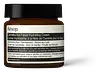
This calming moisturizer is formulated around Camellia Japonica Seed Oil and Aloe Barbadensis Leaf Juice to calm redness and hydrate skin.
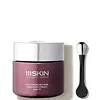
This barrier-repair night moisturizer is formulated around Centella Asiatica Extract and Hyaluronic Acid to strengthen the skin barrier and calm redness.


What's inside
What's inside
 Key Ingredients
Benefits
Concerns
Ingredients Side-by-side
Water
Skin ConditioningGlycerin
Humectant


Camellia Japonica Seed Oil
Emollient


Aloe Barbadensis Leaf Juice
Skin Conditioning

Cetearyl Alcohol
Emollient




Glyceryl Behenate
Emollient
Rosa Canina Seed Extract
EmollientC12-16 Alcohols
EmollientCoco-Caprylate/Caprate
Emollient
Macadamia Integrifolia Seed Oil
Skin Conditioning
Theobroma Cacao Seed Butter
Emollient
Cocos Nucifera Oil
Masking
Microcrystalline Cellulose
AbsorbentPalmitic Acid
Emollient
Glycine Soja Oil
Emollient
Helianthus Annuus Seed Wax
Skin Conditioning
Hydrogenated Lecithin
Emulsifying
Hydroxyacetophenone
Antioxidant
Triticum Vulgare Germ Oil
Emollient
Xanthan Gum
EmulsifyingFusanus Spicatus Wood Oil
Masking
Olea Europaea Fruit Oil
Masking
Benzyl Alcohol
Perfuming




Cellulose Gum
Emulsion StabilisingSodium Dehydroacetate
Preservative
Tocopherol
Antioxidant


Citric Acid
Buffering
Lavandula Angustifolia Oil
Masking
Rosmarinus Officinalis Leaf Oil
Masking
Ormenis Multicaulis Oil
Masking
Rhus Succedanea Fruit Wax
Shorea Robusta Resin
TonicSodium Gluconate
ChelatingBeta-Carotene
Skin ConditioningDaucus Carota Sativa Root Extract
Skin Conditioning
Farnesol
Perfuming
Linalool
Perfuming
Limonene
Perfuming
Water, Glycerin, Camellia Japonica Seed Oil, Aloe Barbadensis Leaf Juice, Cetearyl Alcohol, Glyceryl Behenate, Rosa Canina Seed Extract, C12-16 Alcohols, Coco-Caprylate/Caprate, Macadamia Integrifolia Seed Oil, Theobroma Cacao Seed Butter, Cocos Nucifera Oil, Microcrystalline Cellulose, Palmitic Acid, Glycine Soja Oil, Helianthus Annuus Seed Wax, Hydrogenated Lecithin, Hydroxyacetophenone, Triticum Vulgare Germ Oil, Xanthan Gum, Fusanus Spicatus Wood Oil, Olea Europaea Fruit Oil, Benzyl Alcohol, Cellulose Gum, Sodium Dehydroacetate, Tocopherol, Citric Acid, Lavandula Angustifolia Oil, Rosmarinus Officinalis Leaf Oil, Ormenis Multicaulis Oil, Rhus Succedanea Fruit Wax, Shorea Robusta Resin, Sodium Gluconate, Beta-Carotene, Daucus Carota Sativa Root Extract, Farnesol, Linalool, Limonene
Water
Skin ConditioningIsopropyl Myristate
Emollient
Caprylic/Capric Triglyceride
Masking
Glyceryl Stearate Se
Emulsifying
Hydrogenated Palm Oil
Emollient
PEG-40 Hydrogenated Castor Oil
Emulsifying
Benzyl Alcohol
Perfuming
Stearic Acid
Cleansing
PEG-7 Hydrogenated Castor Oil
Emulsifying
Carbomer
Emulsion StabilisingTriethanolamine
BufferingLecithin
Emollient
Centella Asiatica Extract
Cleansing
Hyaluronic Acid
Humectant
Acetyl Cysteine
Antioxidant
Aesculus Hippocastanum Extract
Antioxidant
Sodium Ascorbyl Phosphate
Antioxidant

Olea Europaea Fruit Oil
Masking
Oryza Sativa Bran Oil
Emollient
Polysorbate 20
Emulsifying
Retinyl Palmitate
Skin Conditioning
Tocopherol
Antioxidant
Linoleic Acid
Cleansing
Xanthan Gum
EmulsifyingParfum
Masking
Water, Isopropyl Myristate, Caprylic/Capric Triglyceride, Glyceryl Stearate Se, Hydrogenated Palm Oil, PEG-40 Hydrogenated Castor Oil, Benzyl Alcohol, Stearic Acid, PEG-7 Hydrogenated Castor Oil, Carbomer, Triethanolamine, Lecithin, Centella Asiatica Extract, Hyaluronic Acid, Acetyl Cysteine, Aesculus Hippocastanum Extract, Sodium Ascorbyl Phosphate, Olea Europaea Fruit Oil, Oryza Sativa Bran Oil, Polysorbate 20, Retinyl Palmitate, Tocopherol, Linoleic Acid, Xanthan Gum, Parfum
Reviews
Ingredients Explained
These ingredients are found in both products.
Ingredients higher up in an ingredient list are typically present in a larger amount.
Benzyl Alcohol is an aromatic alcohol with several roles: it's a preservative, solvent, and mild fragrance component with a floral scent.
This ingredient has been deemed safe for use in cosmetic formulations at concentrations up to 5%, and up to 10% in hair dyes. You'll typically see 0.5-2% in most rinse-off or leave-on products.
As a preservative, it works by disrupting the membrane of microbial proteins. This helps keep bacteria and fungi from growing in your products.
The sensitization picture is actually quite assuring as well:of nearly 71,000 patients patch tested with benzyl alcohol, only 0.21% showed a positive reaction with most of them being weakly positive.
This led researchers to conclude that benzyl alcohol cannot be regarded as a significant contact allergen.
It is worth noting this ingredient is classified as one of the EU's regulated fragrance allergens and restricted to 1% in finished products.
Labels must also declare it in concentrations above 0.001% in leave-on products and 0.01% in rinse-off products.
At concentrations around 5%, localized redness and itching can appear as a direct irritant response and not as a true allergic reaction.
Learn more about Benzyl AlcoholThis ingredient is also known as olive oil. It has been used in skincare for centuries and science largely backs up its reputation as a nourishing emollient.
The main components of olive oil are oleic acid (55-83%), linoleic acid (3.5-20%), and palmitic acid (7-20%). Oleic acid promotes skin regeneration and helps regulate inflammatory responses.
Squalene is also naturally present in olive oil and exhibits moisturizing and antioxidant properties.
The polyphenols in olive oil also show anti-aging promise; one clinical study found a measurable improvement in skin appearance after 30 days of topical serum use.
Just be aware that applying olive oil directly to skin can weaken the barrier and cause redness. One study with volunteers found even people without sensitive skin experienced a significant reduction in stratum corneum integrity and induced mild erythema.
It's best to use this ingredient as part of a carefully crafted formula (instead of putting it on skin directly from the bottle).
Because it has a 0-2 on the comedogenic scale, it is low risk for acne-prone skin. Just remember the overall formulation of a product matters more than a few ingredients with comedogenic ratings.
This ingredient may not be fungal acne safe because of the oleic and palmitic acid content. These fall within the C11-24 fatty acid range that the Malassezia yeast can metabolize to grow.
Overall, olive oil is a well-studied and nourishing skincare ingredient.
Learn more about Olea Europaea Fruit OilTocopherol is a fat-soluble antioxidant known as Vitamin E.
You'll find this ingredient in the vast majority of skincare (for good reason). It works to neutralize free radicals, or unstable molecules generated by UV exposure, pollution, and other environmental stressors, before they can cause oxidative damage to your skin cells.
Topically applied tocopherol has been shown to protect against UV damage by ramping up the skin's own natural defense enzymes.
It also acts as a skin conditioning agent; some studies show that regular topical use can improve the skin's water-binding capacity over 2-4 weeks.
This ingredient is especially loved for being a team player. When combined with Vitamin C, the photoprotective effect of both ingredients roughly doubles and the combo also helps reduce UV-induced DNA damage.
This ingredient has some brightening potential but it's more of a prevention ingredient than spot-fader. Cell studies show it can slow down melanin production but it's worth noting that it's not the most powerful brightener out there.
In formulations, it also serves as a stabilizer that helps protect other oxidation-prone ingredients from degrading.
Concentrations usually range from 0.1-1% in most leave-on products.
Learn more about TocopherolWater. It's the most common cosmetic ingredient of all. You'll usually see it at the top of ingredient lists, meaning that it makes up the largest part of the product.
So why is it so popular? Water most often acts as a solvent - this means that it helps dissolve other ingredients into the formulation.
You'll also recognize water as that liquid we all need to stay alive. If you see this, drink a glass of water. Remember to stay hydrated!
Learn more about WaterXanthan gum is used as a stabilizer and thickener within cosmetic products. It helps give products a sticky, thick feeling - preventing them from being too runny.
On the technical side of things, xanthan gum is a polysaccharide - a combination consisting of multiple sugar molecules bonded together.
Xanthan gum is a pretty common and great ingredient. It is a natural, non-toxic, non-irritating ingredient that is also commonly used in food products.
Learn more about Xanthan Gum

