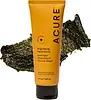
This smoothing exfoliator is formulated around Gluconolactone to refine skin texture and brighten dull-looking skin.
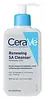
This salicylic acid gel cleanser is formulated around Salicylic Acid to clear breakouts and unclog pores.

What's inside
What's inside
 Key Ingredients
Benefits
Concerns
Ingredients Side-by-side
Water
Skin ConditioningGlycerin
Humectant


Juglans Regia Shell Powder
Abrasive

Citrus Limon Peel
MaskingAloe Barbadensis Leaf Juice
Skin Conditioning

Sodium Methyl Cocoyl Taurate
Cleansing
Laminaria Digitata Extract
Skin Protecting
Montmorillonite
AbsorbentRubus Fruticosus Fruit Extract
AstringentChamomilla Recutita Flower Extract
Masking
Euterpe Oleracea Fruit Extract
Rosa Canina Fruit Extract
Astringent
Calendula Officinalis Flower Extract
Masking
Aspalathus Linearis Leaf Extract
Skin ConditioningPunica Granatum Extract
AstringentOlea Europaea Fruit Oil
Masking


Argania Spinosa Callus Culture Extract
Skin ConditioningMentha Viridis Leaf Oil
Astringent
Salvia Officinalis Oil
Masking
Cymbopogon Flexuosus Leaf Oil
Masking
Lavandula Hybrida Oil
Emollient
Sodium PCA
Humectant
Kaolin
Abrasive


Lecithin
Emollient
Isomalt
HumectantCellulose Gum
Emulsion StabilisingCarrageenan



Glyceryl Laurate
Emollient
Sodium Lauroyl Lactylate
EmulsifyingSodium Lauroamphoacetate
CleansingSodium Cocoyl Isethionate
Cleansing
Illite
Abrasive
Gluconolactone
Skin Conditioning



Ethylhexylglycerin
Skin ConditioningPotassium Sorbate
Preservative
Phenethyl Alcohol
MaskingChlorophyllin-Copper Complex
Antioxidant
Water, Glycerin, Juglans Regia Shell Powder, Citrus Limon Peel, Aloe Barbadensis Leaf Juice, Sodium Methyl Cocoyl Taurate, Laminaria Digitata Extract, Montmorillonite, Rubus Fruticosus Fruit Extract, Chamomilla Recutita Flower Extract, Euterpe Oleracea Fruit Extract, Rosa Canina Fruit Extract, Calendula Officinalis Flower Extract, Aspalathus Linearis Leaf Extract, Punica Granatum Extract, Olea Europaea Fruit Oil, Argania Spinosa Callus Culture Extract, Mentha Viridis Leaf Oil, Salvia Officinalis Oil, Cymbopogon Flexuosus Leaf Oil, Lavandula Hybrida Oil, Sodium PCA, Kaolin, Lecithin, Isomalt, Cellulose Gum, Carrageenan, Glyceryl Laurate, Sodium Lauroyl Lactylate, Sodium Lauroamphoacetate, Sodium Cocoyl Isethionate, Illite, Gluconolactone, Ethylhexylglycerin, Potassium Sorbate, Phenethyl Alcohol, Chlorophyllin-Copper Complex
Water
Skin ConditioningCocamidopropyl Hydroxysultaine
Cleansing
Glycerin
Humectant
Sodium Lauroyl Sarcosinate
CleansingNiacinamide
Smoothing
Gluconolactone
Skin Conditioning
PEG-150 Pentaerythrityl Tetrastearate
Emulsifying
Sodium Methyl Cocoyl Taurate
Cleansing
Zea Mays Oil
Emulsifying
Ceramide NP
Skin Conditioning
Ceramide AP
Skin Conditioning
Ceramide EOP
Skin Conditioning
Carbomer
Emulsion StabilisingCalcium Gluconate
HumectantSodium Chloride
MaskingSalicylic Acid
Masking

Sodium Benzoate
Masking
Sodium Lauroyl Lactylate
EmulsifyingCholecalciferol
Cholesterol
Emollient
Phenoxyethanol
Preservative
Disodium EDTA
Tetrasodium EDTA
Hydrolyzed Hyaluronic Acid
Humectant
Phytosphingosine
Skin Conditioning
Xanthan Gum
EmulsifyingEthylhexylglycerin
Skin ConditioningWater, Cocamidopropyl Hydroxysultaine, Glycerin, Sodium Lauroyl Sarcosinate, Niacinamide, Gluconolactone, PEG-150 Pentaerythrityl Tetrastearate, Sodium Methyl Cocoyl Taurate, Zea Mays Oil, Ceramide NP, Ceramide AP, Ceramide EOP, Carbomer, Calcium Gluconate, Sodium Chloride, Salicylic Acid, Sodium Benzoate, Sodium Lauroyl Lactylate, Cholecalciferol, Cholesterol, Phenoxyethanol, Disodium EDTA, Tetrasodium EDTA, Hydrolyzed Hyaluronic Acid, Phytosphingosine, Xanthan Gum, Ethylhexylglycerin
Reviews
Alternatives
Ingredients Explained
These ingredients are found in both products.
Ingredients higher up in an ingredient list are typically present in a larger amount.
Ethylhexylglycerin is created from glycerin. It is a multitasker ingredient that:
The CIR Expert Panel found minimal skin absorption or sensitization of any kind in a safety assessment. Though this ingredient is considered well-tolerated, a small number of cases of allergic dermatitis have been published since 2002. Just be sure to patch test if you are unsure.
Industry-reported use ranges from 8% in rinse-off products and 2% in leave-on formulations.
Learn more about EthylhexylglycerinGluconolactone is a PHA. PHAs are a great gentle alternative to traditional AHAs.
When applied, Gluconolactone has the same affect on skin as AHAs such as lactic acid. It helps dissolve the dead skin cells in the top layer of your skin. This improves texture and brightens the skin.
PHAs are more gentle than AHAs due to their larger structure. They do not penetrate as deeply as AHAs and take a longer time to dissolve dead cells. Studies show PHAs do not cause as much irritation.
Gluconolactone has some interesting properties:
In a 2004 study, Gluconolactone was found to prevent UV damage in mouse skin cells and has not been found to increase sun sensitivity. However, we still recommend wearing SPF daily.
This ingredient is is an created by reacting gluconic acid with an alcohol.
Learn more about GluconolactoneGlycerin (or glycerol) is a compound naturally found in your skin. It's a powerhouse humectant that pulls water into the stratum corneum.
Topically, glycerin does several things at once:
Your skin makes glycerin on its own (mostly from sebaceous oil breakdown) and shuttles it to your outermost layer of skin, or your epidermis, via aquaporin-3.
Aquaporin-3 is a transporter that is essential for normal skin hydration, elasticity, and repair. Interestingly, mice lacking in AQP3 have dry and less elastic skin that can be fully corrected with glycerin.
This ingredient is non-irritating, plays well with almost every ingredient, and works across all skin types. Typical use is anywhere between 3-10% but can go up to 79% in some leave-on products.
Just know very high concentrations (>40%) can feel tacky in low humidity.
Glycerin is the name for this ingredient in American English. British English uses Glycerol/Glycerine.
Learn more about GlycerinSodium Lauroyl Lactylate (SLL) is a mild, plant-derived surfactant made by combining lauric acid with lactic acid.
It has two main jobs in a formula:
A perk of this ingredient is that it leaves skin feeling soft and silky after rinsing. This is why you'll even see it in baby washes.
Another perk?
The lauric acid backbone gives it mild antimicrobial activity and lauric acid itself has been shown to suppress acne-causing bacteria in lab studies.
In 2023, scientists took a close look at how SLL behaves and found it can break apart the fatty outer layers of cells. This is basically why it cleans well and can fight off certain microbes.
The Cosmetic Ingredient Review (CIR) Expert Panel has reviewed it and concluded it's safe as used.
A 2017 survey showed concentrations up to 10% are used in rinse-off cleansers and roughly 0.5-5% being typical in skincare.
Animal and reconstructed-skin testing found it to be non-irritating at 10%, and it's well tolerated even on sensitive skin. The only caveat is to patch test if you have a lactic acid allergy.
As a lactylate salt used at low co-emulsifier concentrations, this ingredient is less likely to break down and release free lauric acid on skin. This ingredient is fungal acne safe.
Learn more about Sodium Lauroyl LactylateSodium Methyl Cocoyl Taurate is a gentle, coconut-derived cleansing surfactant. It's most commonly found in "sulfate-free" cleansers.
As a taurate, it belongs to a class of anionic surfactants prized for being efficient at cleansing without harshness, good performance in hard water, stability across a wide pH range, and easily biodegradable.
It is able to lift away oil and grime and make a nice lather without stripping your skin, so it's a good pick for sensitive skin.
Safety-wise, it has a good record. The CIR Expert Panel has concluded this ingredient to be safe in cosmetics and concentrations go up to 11% in leave-on products or 13% in rinse-off products.
Despite being derived from coconut oil, this ingredient is fungal acne safe. It's a water-soluble surfactant with no fatty oils or esters left intact on skin for the Malassezia yeast to feed.
Learn more about Sodium Methyl Cocoyl TaurateWater. It's the most common cosmetic ingredient of all. You'll usually see it at the top of ingredient lists, meaning that it makes up the largest part of the product.
So why is it so popular? Water most often acts as a solvent - this means that it helps dissolve other ingredients into the formulation.
You'll also recognize water as that liquid we all need to stay alive. If you see this, drink a glass of water. Remember to stay hydrated!
Learn more about Water

