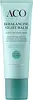
This smoothing night moisturizer is formulated around Panthenol and Sarcosine to refine skin texture and balance excess oil.
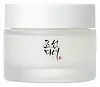
This barrier-repair moisturizer is formulated around Panax Ginseng Root Water and Niacinamide to strengthen the skin barrier.


What's inside
What's inside
 Key Ingredients
Benefits
Concerns
Ingredients Side-by-side
Water
Skin ConditioningGlycerin
Humectant


Diethylhexyl Carbonate
EmollientC12-13 Alkyl Lactate
EmollientDimethicone
Emollient
Cetearyl Olivate


Panthenol
Skin Conditioning

Sorbitol
Humectant
Cetyl Dimethicone
Emollient
Hydrolyzed Hyaluronic Acid
Humectant

Sarcosine
Skin Conditioning
Papain
Skin Conditioning
Tocopheryl Acetate
Antioxidant


Sorbitan Olivate
Emulsifying
Glyceryl Stearate
Emollient
Cetearyl Alcohol
Emollient




Butylene Glycol
Humectant
Pentylene Glycol
Skin Conditioning
1,2-Hexanediol
Skin Conditioning
Xanthan Gum
EmulsifyingAmmonium Acryloyldimethyltaurate/Vp Copolymer
Acrylates/C10-30 Alkyl Acrylate Crosspolymer
Emulsion StabilisingCarbomer
Emulsion StabilisingAlgin
MaskingCaprylyl Glycol
Emollient
Citric Acid
Buffering
Sodium Hydroxide
BufferingPhenoxyethanol
Preservative
Sodium Benzoate
Masking
Parfum
Masking


CI 14700
Cosmetic ColorantWater, Glycerin, Diethylhexyl Carbonate, C12-13 Alkyl Lactate, Dimethicone, Cetearyl Olivate, Panthenol, Sorbitol, Cetyl Dimethicone, Hydrolyzed Hyaluronic Acid, Sarcosine, Papain, Tocopheryl Acetate, Sorbitan Olivate, Glyceryl Stearate, Cetearyl Alcohol, Butylene Glycol, Pentylene Glycol, 1,2-Hexanediol, Xanthan Gum, Ammonium Acryloyldimethyltaurate/Vp Copolymer, Acrylates/C10-30 Alkyl Acrylate Crosspolymer, Carbomer, Algin, Caprylyl Glycol, Citric Acid, Sodium Hydroxide, Phenoxyethanol, Sodium Benzoate, Parfum, CI 14700
Water
Skin ConditioningOryza Sativa Bran Water
Masking
Glycerin
Humectant
Panax Ginseng Root Water
Masking
Hydrogenated Polydecene
Emollient1,2-Hexanediol
Skin Conditioning
Niacinamide
Smoothing



Squalane
Emollient
Butylene Glycol
Humectant
Propanediol
Solvent
Propylene Glycol Dicaprylate/Dicaprate
EmollientCetearyl Olivate
Sorbitan Olivate
Emulsifying
Ammonium Acryloyldimethyltaurate/Vp Copolymer
Xanthan Gum
EmulsifyingAcrylates/C10-30 Alkyl Acrylate Crosspolymer
Emulsion StabilisingTromethamine
BufferingCarthamus Tinctorius Seed Oil
Masking
Hydrogenated Coconut Oil
Emollient
Glyceryl Acrylate/Acrylic Acid Copolymer
HumectantEthylhexylglycerin
Skin ConditioningAdenosine
Skin Conditioning
Caprylic/Capric Triglyceride
Masking
Disodium EDTA
ChelatingHyaluronic Acid
Humectant
Hydrolyzed Hyaluronic Acid
Humectant
Sodium Hyaluronate
Humectant
Honey Extract
Humectant
Ceramide NP
Skin Conditioning
Hydrogenated Lecithin
Emulsifying
Coptis Japonica Root Extract
Skin ConditioningRaphanus Sativus Seed Extract
Skin ConditioningLycium Chinense Fruit Extract
Antioxidant
Theobroma Cacao Seed Extract
Antioxidant
Phellinus Linteus Extract
Skin ConditioningDextrin
AbsorbentScutellaria Baicalensis Root Extract
Astringent
Water, Oryza Sativa Bran Water, Glycerin, Panax Ginseng Root Water, Hydrogenated Polydecene, 1,2-Hexanediol, Niacinamide, Squalane, Butylene Glycol, Propanediol, Propylene Glycol Dicaprylate/Dicaprate, Cetearyl Olivate, Sorbitan Olivate, Ammonium Acryloyldimethyltaurate/Vp Copolymer, Xanthan Gum, Acrylates/C10-30 Alkyl Acrylate Crosspolymer, Tromethamine, Carthamus Tinctorius Seed Oil, Hydrogenated Coconut Oil, Glyceryl Acrylate/Acrylic Acid Copolymer, Ethylhexylglycerin, Adenosine, Caprylic/Capric Triglyceride, Disodium EDTA, Hyaluronic Acid, Hydrolyzed Hyaluronic Acid, Sodium Hyaluronate, Honey Extract, Ceramide NP, Hydrogenated Lecithin, Coptis Japonica Root Extract, Raphanus Sativus Seed Extract, Lycium Chinense Fruit Extract, Theobroma Cacao Seed Extract, Phellinus Linteus Extract, Dextrin, Scutellaria Baicalensis Root Extract
Reviews
Ingredients Explained
These ingredients are found in both products.
Ingredients higher up in an ingredient list are typically present in a larger amount.
1,2-Hexanediol is a synthetic liquid and another multi-functional powerhouse.
It is a:
- Humectant, drawing moisture into the skin
- Emollient, helping to soften skin
- Solvent, dispersing and stabilizing formulas
- Preservative booster, enhancing the antimicrobial activity of other preservatives
Acrylates/C10-30 Alkyl Acrylate Crosspolymer is a synthetic polymer. It is used to thicken, emulsify, and improve the texture of products.
As an emulsifier, it helps stabilize oil-in-water emulsions to give products an elegant feel when applied.
It can also form a thin protective film on skin. One study found that a formula using this polymer helped slow down how quickly other ingredients (like DEET) were absorbed through skin.
A 2024 study of over 1,300 patients confirmed that sensitization to this ingredient is rare. It is also non-mutagenic and has a clean track record.
Learn more about Acrylates/C10-30 Alkyl Acrylate CrosspolymerAmmonium Acryloyldimethyltaurate/Vp Copolymer is a synthetically created polymer. It's used as a film-forming agent and used to thicken the consistency of products.
Think of it as a supportive ingredient that helps your gel-creams feel silky, "cloud cream-like", and spread evenly without being greasy.
The Cosmetic Ingredient Review (CIR) Expert Panel evaluated it (along with 22 other acryloyldimethyltaurate polymers) and concluded it's:
Due to its large molecular size, it sits on the surface of skin rather than penetrating it.
Learn more about Ammonium Acryloyldimethyltaurate/Vp CopolymerButylene Glycol (or BG) is used within cosmetic products for a few different reasons:
Overall, Butylene Glycol is a safe and well-rounded ingredient that works well with other ingredients.
Though this ingredient works well with most skin types, some people with sensitive skin may experience a reaction such as allergic rashes, closed comedones, or itchiness.
Learn more about Butylene GlycolCetearyl Olivate is a plant-derived emulsifier and texture enhancer. It helps keep the oil and water phases from separating so your formulas stay stable.
You'll likely see it combined with Sorbitan Olivate (together sold as the trade name Olivem 1000). This combination generates a liquid crystal structure that closely resemble the lipid organization of the stratum corneum.
These "skin-like" liquid crystals improve skin barrier integrity and promote the delivery of actives into the skin.
This ingredient is well-tolerated and has no significant sensitization data.
Because it is derived from the fatty acids in olive oil, this ingredient may not be fungal acne safe.
Learn more about Cetearyl OlivateGlycerin (or glycerol) is a compound naturally found in your skin. It's a powerhouse humectant that pulls water into the stratum corneum.
Topically, glycerin does several things at once:
Your skin makes glycerin on its own (mostly from sebaceous oil breakdown) and shuttles it to your outermost layer of skin, or your epidermis, via aquaporin-3.
Aquaporin-3 is a transporter that is essential for normal skin hydration, elasticity, and repair. Interestingly, mice lacking in AQP3 have dry and less elastic skin that can be fully corrected with glycerin.
This ingredient is non-irritating, plays well with almost every ingredient, and works across all skin types. Typical use is anywhere between 3-10% but can go up to 79% in some leave-on products.
Just know very high concentrations (>40%) can feel tacky in low humidity.
Glycerin is the name for this ingredient in American English. British English uses Glycerol/Glycerine.
Learn more about GlycerinHydrolyzed Hyaluronic Acid is hyaluronic acid (HA) that is broken down into lower molecular weight fragments.
It's a humectant that pulls and holds water in the skin to help with hydration, plumpness, and reduce transepidermal water loss.
Because hydrolyzed hyaluronic acid is smaller in size, it can slip past your outermost layer of skin more easily than full-sized HA.
Most formulations will combine all sizes to get the best of both worlds.
Typical usage levels range from 0.01-1%. Any percentage higher than 2% might become goopy and tacky.
Learn more about Hydrolyzed Hyaluronic AcidSorbitan Olivate is created from the fatty acids in olive oil and sorbitol.
This ingredient is an oil in water emulsifier. It helps stabilize a product by preventing oils and waters from separating. Sorbitan Olivate also helps hydrate the skin.
This ingredient is also known as part of Olivem 1000, with Cetearyl Olivate being the other part.
According to a manufacturer, this ingredient helps preserve the natural microbiome of skin. Having a healthy microbiome helps keep our skin healthy and protects against harmful bacteria.
Please note, having a healthy microbiome is different from fungal acne; a healthy microbiome includes small amounts of yeast that normally live on your skin without causing problems.
Fungal acne happens when one type of yeast (Malassezia) grows out of control. This is usually because it's feeding on certain oils or fatty acids. Due to the olive oil base, this ingredient may not be fungal acne safe.
Learn more about Sorbitan OlivateWater. It's the most common cosmetic ingredient of all. You'll usually see it at the top of ingredient lists, meaning that it makes up the largest part of the product.
So why is it so popular? Water most often acts as a solvent - this means that it helps dissolve other ingredients into the formulation.
You'll also recognize water as that liquid we all need to stay alive. If you see this, drink a glass of water. Remember to stay hydrated!
Learn more about WaterXanthan gum is used as a stabilizer and thickener within cosmetic products. It helps give products a sticky, thick feeling - preventing them from being too runny.
On the technical side of things, xanthan gum is a polysaccharide - a combination consisting of multiple sugar molecules bonded together.
Xanthan gum is a pretty common and great ingredient. It is a natural, non-toxic, non-irritating ingredient that is also commonly used in food products.
Learn more about Xanthan Gum

