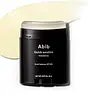
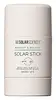
Abib Quick Sunstick Protection Bar SPF 50+ Versus MDSolarSciences Solar Stick Mineral Sunscreen SPF40
This chemical sunscreen covers most of the UV range, lighter on the deep UVA that drives aging.
This hybrid sunscreen covers the full UV range and blocks ~98% of UVB at SPF 40.


What's inside
What's inside
 Key Ingredients
Benefits
Concerns
Ingredients Side-by-side
Homosalate 9.5%
Skin Conditioning

Octocrylene 5%
UV Absorber

Ethylhexyl Salicylate 4.5%
UV Absorber
Butyl Methoxydibenzoylmethane 3%
UV Absorber
Octyldodecanol
Emollient
Butylene Glycol Dicaprylate/Dicaprate
EmollientDibutyl Lauroyl Glutamide
Skin ConditioningDiisostearyl Malate
EmollientDibutyl Ethylhexanoyl Glutamide
Skin ConditioningButyloctyl Salicylate
Skin Conditioning
C12-15 Alkyl Benzoate
AntimicrobialDextrin Palmitate
Emulsifying

Water
Skin ConditioningSodium Hyaluronate
Humectant




Squalane
Emollient
Calophyllum Inophyllum Seed Oil
Antimicrobial


Argania Spinosa Kernel Oil
Emollient

Olea Europaea Fruit Oil
Masking
Glycerin
Humectant
Aloe Barbadensis Leaf Extract
Emollient
Hydrolyzed Vegetable Protein
Skin ConditioningMaltodextrin
Absorbent
Butylene Glycol
Humectant
Propanediol
Solvent
Caprylic/Capric Triglyceride
Masking
1,2-Hexanediol
Skin Conditioning
Camellia Sinensis Leaf Extract
Antimicrobial

Hydrogenated Lecithin
Emulsifying
Centella Asiatica Extract
Cleansing
Candida Bombicola/Glucose/Methyl Rapeseedate Ferment
AntimicrobialCeramide NP
Skin Conditioning
Caprylyl Glycol
Emollient
Tocopherol
Antioxidant
Acetyl Hexapeptide-8
Humectant
Copper Tripeptide-1
Skin Conditioning
Homosalate 9.5%, Octocrylene 5%, Ethylhexyl Salicylate 4.5%, Butyl Methoxydibenzoylmethane 3%, Octyldodecanol, Butylene Glycol Dicaprylate/Dicaprate, Dibutyl Lauroyl Glutamide, Diisostearyl Malate, Dibutyl Ethylhexanoyl Glutamide, Butyloctyl Salicylate, C12-15 Alkyl Benzoate, Dextrin Palmitate, Water, Sodium Hyaluronate, Squalane, Calophyllum Inophyllum Seed Oil, Argania Spinosa Kernel Oil, Olea Europaea Fruit Oil, Glycerin, Aloe Barbadensis Leaf Extract, Hydrolyzed Vegetable Protein, Maltodextrin, Butylene Glycol, Propanediol, Caprylic/Capric Triglyceride, 1,2-Hexanediol, Camellia Sinensis Leaf Extract, Hydrogenated Lecithin, Centella Asiatica Extract, Candida Bombicola/Glucose/Methyl Rapeseedate Ferment, Ceramide NP, Caprylyl Glycol, Tocopherol, Acetyl Hexapeptide-8, Copper Tripeptide-1
Titanium Dioxide 8.12%
Cosmetic Colorant
Zinc Oxide 6%
Cosmetic Colorant
Polyethylene
Abrasive
Dimethicone
Emollient
Butyloctyl Salicylate
Skin Conditioning
Petrolatum
Emollient
Butyrospermum Parkii Butter
Skin Conditioning
C12-15 Alkyl Benzoate
AntimicrobialCaprylic/Capric Triglyceride
Masking
Methyl Dihydroabietate
Acrylates/Ethylhexyl Acrylate/Dimethicone Methacrylate Copolymer
Skin Conditioning
Octyldodecanol
Emollient
Tetrahexyldecyl Ascorbate
Antioxidant
Tocopherol
Antioxidant
Behenyl Olivate
Emulsion StabilisingAluminum Hydroxide
EmollientStearic Acid
Cleansing
Sorbitan Sesquioleate
Emulsifying
Glyceryl Isostearate
Emollient
Polyhydroxystearic Acid
Emulsifying
Citric Acid
Buffering
Benzylidene Dimethoxydimethylindanone
Skin ProtectingIron Oxides
Titanium Dioxide 8.12%, Zinc Oxide 6%, Polyethylene, Dimethicone, Butyloctyl Salicylate, Petrolatum, Butyrospermum Parkii Butter, C12-15 Alkyl Benzoate, Caprylic/Capric Triglyceride, Methyl Dihydroabietate, Acrylates/Ethylhexyl Acrylate/Dimethicone Methacrylate Copolymer, Octyldodecanol, Tetrahexyldecyl Ascorbate, Tocopherol, Behenyl Olivate, Aluminum Hydroxide, Stearic Acid, Sorbitan Sesquioleate, Glyceryl Isostearate, Polyhydroxystearic Acid, Citric Acid, Benzylidene Dimethoxydimethylindanone, Iron Oxides
Reviews
Ingredients Explained
These ingredients are found in both products.
Ingredients higher up in an ingredient list are typically present in a larger amount.
Butyloctyl Salicylate is a chemical UV filter structurally similar to octisalate. It is a photostabilizer, SPF booster, emollient and solvent. This ingredient helps evenly spread out ingredients.
According to a manufacturer, it is suitable for pairing with micro Titanium Dioxide, Zinc Oxide, and pigments.
Photostabilizers help stabilize UV-filters and prevents them from degrading quickly.
Learn more about Butyloctyl SalicylateC12-15 Alkyl Benzoate is a lightweight emollient made by combinig benzoic acid with fatty alcohols that are 12-15 carbons long.
In cosmetics, it plays several roles:
The Cosmetic Review Expert Panel has concluded the alkyl benzoate group to be safe as used in cosmetics; it wasn't found to be a skin irritant and unlikely to be absorbed due to its low water solubility.
This report recorded almost 1000 reported uses with concentrations up to 59% in leave-on products but your cosmetics will typically use 0.5-15% depending on the product.
It's often called a "SPF booster": this is because it keeps UV filters properly dissolved and evenly distributed to support a sunscreen's performance. It doesn't actually raise SPF on its own.
Overall, this ingredient is well tolerated.
This ingredient is fungal acne safe because it is an ester of benzoic acid.
Think of this ingredient as two parts stuck together: an oily part and an acid part. Malassezia only gets a meal when it can snip off a fatty acid to eat. With C12-15 Alkyl Benzoate, the acid part is benzoic acid, which isn't a fatty acid and which the yeast can't use as food.
Benzoic acid is actually used as a preservative to stop yeast from growing.
The oily part is a blend of C12-15 fatty alcohols but fatty alcohols in this size range can support only a little Malassezia growth (mostly for one species of Malassezia as well).
In the ingredient, those alcohols stay locked inside the molecule. The yeast can only reach them by snipping the benzoate bond, and that type of bond is harder for it to cut than a normal fatty bond.
So not much gets released. And whatever does get snipped comes packaged with benzoic acid, which discourages yeast growth.
Learn more about C12-15 Alkyl BenzoateCaprylic/Capric Triglyceride (aka MCT Oil) is a lightweight emollient, solvent, and texture enhancer. It is considered a skin-softener by helping to prevent moisture loss.
Though it behaves like an oil, it is not technically one due to its chemical composition. One perk of this ingredient is that it is very stable, resistant to oxidation, and unlikely to go rancid.
In practice, that translates to a long shelf life and a consistently elegant skin feel.
While there is an assumption Caprylic Triglyceride can clog pores due to it being derived from coconut oil, there is no research supporting this. Just patch test if you have concerns.
Fractionated coconut oil and MCT Oil are both listed as Caprylic/Capric Triglyceride according to INCI. This is because INCI names are based on the ingredient’s final chemical composition and not its marketing name or source.
This ingredient is treated as the gold standard fungal acne safe oil. Even though it is coconut derived, the problematic lauric acid is stripped out.
This leaves just caprylic (C8) and capric (C10) acid. These chain lengths actually trend antifungal; a 2020 study found caprylic acid was enough to disrupt Malassezia furfur cell membrane, with a caprylic acid derivative damaging membrane structures at concentrations as low as 0.2%.
Learn more about Caprylic/Capric TriglycerideOctyldodecanol is a fatty alcohol sourced from plant oils like coconut or palm (or made synthetically).
It is:
You'll likely see this in many BHA products because this is the go-to solvent for salicylic acid.
This ingredient is typically used at levels between 2-20%.
Regarding fungal acne:
In 2019, this ingredient was tested against multiple Malassezia species (the yeast that causes fungal acne) and showed no growth.
Tocopherol is a fat-soluble antioxidant known as Vitamin E.
You'll find this ingredient in the vast majority of skincare (for good reason). It works to neutralize free radicals, or unstable molecules generated by UV exposure, pollution, and other environmental stressors, before they can cause oxidative damage to your skin cells.
Topically applied tocopherol has been shown to protect against UV damage by ramping up the skin's own natural defense enzymes.
It also acts as a skin conditioning agent; some studies show that regular topical use can improve the skin's water-binding capacity over 2-4 weeks.
This ingredient is especially loved for being a team player. When combined with Vitamin C, the photoprotective effect of both ingredients roughly doubles and the combo also helps reduce UV-induced DNA damage.
This ingredient has some brightening potential but it's more of a prevention ingredient than spot-fader. Cell studies show it can slow down melanin production but it's worth noting that it's not the most powerful brightener out there.
In formulations, it also serves as a stabilizer that helps protect other oxidation-prone ingredients from degrading.
Concentrations usually range from 0.1-1% in most leave-on products.
Learn more about Tocopherol

