
What's inside
What's inside
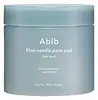 Key Ingredients
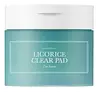
Benefits
Concerns
Ingredients Side-by-side
Water
Skin ConditioningButylene Glycol
Humectant

Pinus Densiflora Leaf Extract
Antimicrobial
Glycerin
Humectant
Alcohol
Antimicrobial




1,2-Hexanediol
Skin Conditioning
Paeonia Suffruticosa Root Extract
Skin ProtectingCentella Asiatica Extract
Cleansing



Chamomilla Recutita Flower Extract
Masking
Glyceryl Caprylate
EmollientBetaine
Humectant
Polyglyceryl-10 Laurate
Skin Conditioning
Panthenol
Skin Conditioning
Ethylhexylglycerin
Skin ConditioningSodium Citrate
BufferingGluconolactone
Skin Conditioning




Capryloyl Salicylic Acid
Exfoliating

Tromethamine
BufferingCitric Acid
Buffering
Diethylhexyl Sodium Sulfosuccinate
CleansingSodium Hyaluronate
Humectant
Pantolactone
Humectant
Dipropylene Glycol
HumectantEpilobium Fleischeri Extract
Skin ConditioningPinus Palustris Leaf Extract
TonicOenothera Biennis Flower Extract
AstringentUlmus Davidiana Root Extract
Skin Conditioning
Pueraria Lobata Root Extract
HumectantPotassium Sorbate
Preservative
Disodium EDTA
Water, Butylene Glycol, Pinus Densiflora Leaf Extract, Glycerin, Alcohol, 1,2-Hexanediol, Paeonia Suffruticosa Root Extract, Centella Asiatica Extract, Chamomilla Recutita Flower Extract, Glyceryl Caprylate, Betaine, Polyglyceryl-10 Laurate, Panthenol, Ethylhexylglycerin, Sodium Citrate, Gluconolactone, Capryloyl Salicylic Acid, Tromethamine, Citric Acid, Diethylhexyl Sodium Sulfosuccinate, Sodium Hyaluronate, Pantolactone, Dipropylene Glycol, Epilobium Fleischeri Extract, Pinus Palustris Leaf Extract, Oenothera Biennis Flower Extract, Ulmus Davidiana Root Extract, Pueraria Lobata Root Extract, Potassium Sorbate, Disodium EDTA
Glycyrrhiza Uralensis Root Extract
Skin Conditioning
Butylene Glycol
Humectant
Glycerin
Humectant
1,2-Hexanediol
Skin Conditioning
Allantoin
Skin Conditioning
Panthenol
Skin Conditioning
Arginine
Masking
Polyglyceryl-10 Laurate
Skin Conditioning
Polyglyceryl-10 Myristate
Skin Conditioning
Hydrolyzed Sodium Hyaluronate
Skin Conditioning
Ectoin
Skin Conditioning
Glycyrrhizic Acid
HumectantLactobionic Acid
Buffering
Asiaticoside
Antioxidant
Asiatic Acid
Skin Conditioning
Madecassic Acid
Skin Conditioning
Prunus Armeniaca Kernel Oil
Masking
Madecassoside
Antioxidant
Pogostemon Cablin Leaf Oil
Masking

Juniperus Communis Fruit Oil
Masking
Amyris Balsamifera Bark Oil
Masking
Citrus Nobilis Peel Oil
Masking
Citrus Paradisi Peel Oil
Masking
Betaine Salicylate
Antimicrobial
Piper Nigrum Fruit Oil
Masking
Vetiveria Zizanoides Root Oil
Masking
Glycyrrhiza Uralensis Root Extract, Butylene Glycol, Glycerin, 1,2-Hexanediol, Allantoin, Panthenol, Arginine, Polyglyceryl-10 Laurate, Polyglyceryl-10 Myristate, Hydrolyzed Sodium Hyaluronate, Ectoin, Glycyrrhizic Acid, Lactobionic Acid, Asiaticoside, Asiatic Acid, Madecassic Acid, Prunus Armeniaca Kernel Oil, Madecassoside, Pogostemon Cablin Leaf Oil, Juniperus Communis Fruit Oil, Amyris Balsamifera Bark Oil, Citrus Nobilis Peel Oil, Citrus Paradisi Peel Oil, Betaine Salicylate, Piper Nigrum Fruit Oil, Vetiveria Zizanoides Root Oil
Ingredients Explained
These ingredients are found in both products.
Ingredients higher up in an ingredient list are typically present in a larger amount.
1,2-Hexanediol is a synthetic liquid and another multi-functional powerhouse.
It is a:
- Humectant, drawing moisture into the skin
- Emollient, helping to soften skin
- Solvent, dispersing and stabilizing formulas
- Preservative booster, enhancing the antimicrobial activity of other preservatives
Butylene Glycol (or BG) is used within cosmetic products for a few different reasons:
Overall, Butylene Glycol is a safe and well-rounded ingredient that works well with other ingredients.
Though this ingredient works well with most skin types, some people with sensitive skin may experience a reaction such as allergic rashes, closed comedones, or itchiness.
Learn more about Butylene GlycolGlycerin (or glycerol) is a compound naturally found in your skin. It's a powerhouse humectant that pulls water into the stratum corneum.
Topically, glycerin does several things at once:
Your skin makes glycerin on its own (mostly from sebaceous oil breakdown) and shuttles it to your outermost layer of skin, or your epidermis, via aquaporin-3.
Aquaporin-3 is a transporter that is essential for normal skin hydration, elasticity, and repair. Interestingly, mice lacking in AQP3 have dry and less elastic skin that can be fully corrected with glycerin.
This ingredient is non-irritating, plays well with almost every ingredient, and works across all skin types. Typical use is anywhere between 3-10% but can go up to 79% in some leave-on products.
Just know very high concentrations (>40%) can feel tacky in low humidity.
Glycerin is the name for this ingredient in American English. British English uses Glycerol/Glycerine.
Learn more about GlycerinPanthenol is a common ingredient that helps hydrate and soothe the skin. It is found naturally in our skin and hair.
There are two forms of panthenol: D and L.
D-panthenol is also known as dexpanthenol. Most cosmetics use dexpanthenol or a mixture of D and L-panthenol.
Panthenol is famous due to its ability to go deeper into the skin's layers. Using this ingredient has numerous pros (and no cons):
Like hyaluronic acid, panthenol is a humectant. Humectants are able to bind and hold large amounts of water to keep skin hydrated.
This ingredient works well for wound healing. It works by increasing tissue in the wound and helps close open wounds.
Once oxidized, panthenol converts to pantothenic acid. Panthothenic acid is found in all living cells.
This ingredient is also referred to as pro-vitamin B5.
Learn more about PanthenolPolyglyceryl-10 Laurate is a cleansing agent and emulsifier.
It rounds up dirt, oil, and grime, so they can be rinsed off easily as a cleanser. On the emulsifier side, it keeps your formula smooth and well-mixed by playing peacekeeper for ingredients that don't naturally get along (like oil and water).
Because it has a C12 (lauric acid) fatty acid chain, this ingredient can potentially feed the Malassezia yeast that causes fungal acne. The Malassezia yeast prefers esters with C11-C24 fatty acids If you're prone to flare-ups, you might want to patch-test or skip this one.
This ingredient is an ester of lauric acid and Polyglycerin-10.
Learn more about Polyglyceryl-10 Laurate
