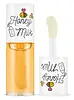
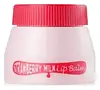
A'Pieu Lip Oil Versus Kwailnara Milk Lip Balm

What's inside
What's inside
 Key Ingredients
Benefits
Concerns
Ingredients Side-by-side
Polybutene
Diisostearyl Malate
EmollientHydrogenated Polyisobutene
EmollientTridecyl Trimellitate
EmollientSilica Silylate
Emollient
Silica Dimethyl Silylate
EmollientParfum
Masking



Dehydroacetic Acid
Preservative
Polyglyceryl-2 Triisostearate
Emulsifying
CI 19140
Cosmetic ColorantCI 15985
Cosmetic ColorantTocopheryl Acetate
Antioxidant


Milk Protein Extract
Honey Extract
Humectant
1,2-Hexanediol
Skin Conditioning
Phenoxyethanol
Preservative
Ethylhexylglycerin
Skin ConditioningPolybutene, Diisostearyl Malate, Hydrogenated Polyisobutene, Tridecyl Trimellitate, Silica Silylate, Silica Dimethyl Silylate, Parfum, Dehydroacetic Acid, Polyglyceryl-2 Triisostearate, CI 19140, CI 15985, Tocopheryl Acetate, Milk Protein Extract, Honey Extract, 1,2-Hexanediol, Phenoxyethanol, Ethylhexylglycerin
Petrolatum
Emollient

Paraffinum Liquidum
Emollient
Microcrystalline Wax
Emulsion StabilisingBHT
Antioxidant
Ethylene/Propylene/Styrene Copolymer
Butylene/Ethylene/Styrene Copolymer
Hydrogenated Castor Oil Dimer Dilinoleate
Skin Conditioning
Ricinus Communis Seed Oil
Masking
Diisostearyl Malate
EmollientBeeswax
Emulsion Stabilising
Paraffin
Perfuming
Silica Dimethyl Silylate
EmollientParfum
Masking
Linalool
Perfuming

Benzyl Alcohol
Perfuming
Limonene
Perfuming
Glyceryl Caprylate
EmollientPhenoxyethanol
Preservative
Eclipta Prostrata Extract
Skin Conditioning
Melia Azadirachta Leaf Extract
Skin ConditioningMoringa Oleifera Seed Oil
Emollient
Butyrospermum Parkii Butter
Skin Conditioning
Caprylic/Capric Triglyceride
Masking
Fragaria Chiloensis Fruit Extract
Skin Conditioning
Honey Extract
Humectant
Tocopherol
Antioxidant


Water
Skin ConditioningButylene Glycol
Humectant
Riboflavin
Cosmetic ColorantCyanocobalamin
Skin ConditioningBiotin
AntiseborrhoeicNiacinamide
Smoothing




Ascorbic Acid
Antioxidant
Royal Jelly Extract
Skin Conditioning
1,2-Hexanediol
Skin Conditioning
Oryza Sativa Bran Extract
Skin Conditioning
Propolis Extract
Skin Conditioning
Ethylhexylglycerin
Skin ConditioningMilk Protein Extract
Petrolatum, Paraffinum Liquidum, Microcrystalline Wax, BHT, Ethylene/Propylene/Styrene Copolymer, Butylene/Ethylene/Styrene Copolymer, Hydrogenated Castor Oil Dimer Dilinoleate, Ricinus Communis Seed Oil, Diisostearyl Malate, Beeswax, Paraffin, Silica Dimethyl Silylate, Parfum, Linalool, Benzyl Alcohol, Limonene, Glyceryl Caprylate, Phenoxyethanol, Eclipta Prostrata Extract, Melia Azadirachta Leaf Extract, Moringa Oleifera Seed Oil, Butyrospermum Parkii Butter, Caprylic/Capric Triglyceride, Fragaria Chiloensis Fruit Extract, Honey Extract, Tocopherol, Water, Butylene Glycol, Riboflavin, Cyanocobalamin, Biotin, Niacinamide, Ascorbic Acid, Royal Jelly Extract, 1,2-Hexanediol, Oryza Sativa Bran Extract, Propolis Extract, Ethylhexylglycerin, Milk Protein Extract
Reviews
Ingredients Explained
These ingredients are found in both products.
Ingredients higher up in an ingredient list are typically present in a larger amount.
1,2-Hexanediol is a synthetic liquid and another multi-functional powerhouse.
It is a:
- Humectant, drawing moisture into the skin
- Emollient, helping to soften skin
- Solvent, dispersing and stabilizing formulas
- Preservative booster, enhancing the antimicrobial activity of other preservatives
Diisostearyl Malate is an emollient and most often used in lip products. It comes from isostearyl alcohol, a fatty acid, and malic acid, an AHA.
As an emollient, Diisostearyl Malate helps create a thin film on your skin to trap moisture in. This helps keep your skin soft and smooth.
Ethylhexylglycerin is created from glycerin. It is a multitasker ingredient that:
The CIR Expert Panel found minimal skin absorption or sensitization of any kind in a safety assessment. Though this ingredient is considered well-tolerated, a small number of cases of allergic dermatitis have been published since 2002. Just be sure to patch test if you are unsure.
Industry-reported use ranges from 8% in rinse-off products and 2% in leave-on formulations.
Learn more about EthylhexylglycerinThis ingredient comes from honey made by bees. It is hydrating, antibacterial, anti-aging, and skin soothing.
Honey also contains amino acids, peptides, Vitamins A, C, and E.
The humectant property of honey draws moisture from the air to your skin. This makes it great at helping to hydrate the skin.
Honey may help reduce the signs of aging due to its antioxidant properties. Fun fact: darker honey has more antioxidants than light honey. The antibacterial property of honey may make it effective at helping to treat acne by killing acne-causing bacteria.
Many people wonder if honey extract is vegan. It is technically a byproduct from bees. This is because honey is created from the digestive enzymes in a bee's stomach.
Remember to be kind to bees :) They are important for many ecosystems and are endangered.
Learn more about Honey ExtractWe don't have a description for Milk Protein Extract yet.
Parfum is a catch-all term for an ingredient or more that is used to give a scent to products.
Also called "fragrance", this ingredient can be a blend of hundreds of chemicals or plant oils. This means every product with "fragrance" or "parfum" in the ingredients list is a different mixture.
For instance, Habanolide is a proprietary trade name for a specific aroma chemical. When used as a fragrance ingredient in cosmetics, most aroma chemicals fall under the broad labeling category of “FRAGRANCE” or “PARFUM” according to EU and US regulations.
The term 'parfum' or 'fragrance' is not regulated in many countries. In many cases, it is up to the brand to define this term.
For instance, many brands choose to label themselves as "fragrance-free" because they are not using synthetic fragrances. However, their products may still contain ingredients such as essential oils that are considered a fragrance by INCI standards.
One example is Calendula flower extract. Calendula is an essential oil that still imparts a scent or 'fragrance'.
Depending on the blend, the ingredients in the mixture can cause allergies and sensitivities on the skin. Some ingredients that are known EU allergens include linalool and citronellol.
Parfum can also be used to mask or cover an unpleasant scent.
The bottom line is: not all fragrances/parfum/ingredients are created equally. If you are worried about fragrances, we recommend taking a closer look at an ingredient. And of course, we always recommend speaking with a professional.
Learn more about ParfumPhenoxyethanol is a preservative that has germicide, antimicrobial, and aromatic properties. Studies show that phenoxyethanol can prevent microbial growth. By itself, it has a scent that is similar to that of a rose.
It's often used in formulations along with Caprylyl Glycol to preserve the shelf life of products.
This silica is mainly used to thicken oils and suspend particles in oils. It is not water soluble.
According to the manufacturer, it:
The manufacturer also claims this ingredient to be useful in makeup.
In lipstick formulations, this ingredient improves color payoff, reduces pigment settling, and reduces oil bleeding. This ingredient also improves the grip of powder products such as dry shampoos.
Learn more about Silica Dimethyl Silylate
