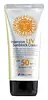
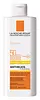
3W Clinic Intensive UV Sunblock Cream SPF50+ PA+++ Versus La Roche-Posay Anthelios Mineral Body SPF 50
This hybrid sunscreen covers the full UV range and blocks ~98% of UVB at SPF 50.
This sunscreen offers SPF 50 protection with a matte finish that helps control shine.


What's inside
What's inside
 Key Ingredients
Benefits
Concerns
Ingredients Side-by-side
Water
Skin ConditioningEthylhexyl Methoxycinnamate
UV Absorber


Glycerin
Humectant


Ethylhexyl Salicylate
UV Absorber
Paraffinum Liquidum
Emollient

Titanium Dioxide
Cosmetic Colorant
Isoamyl P-Methoxycinnamate
UV Absorber
Diethylamino Hydroxybenzoyl Hexyl Benzoate
UV Filter
Cetyl Alcohol
Emollient



Zinc Oxide
Cosmetic Colorant
Stearic Acid
Cleansing
Glyceryl Stearate
Emollient
Polysorbate 60
Emulsifying
Beeswax
Emulsion Stabilising

Ethylhexyl Triazone
UV Absorber
PEG-100 Stearate
Surfactant
Butylene Glycol
Humectant
Aloe Barbadensis Leaf Extract
Emollient

Morus Alba Bark Extract
Skin ConditioningPanax Ginseng Root Extract
Emollient
Phenoxyethanol
Preservative
Betaine
Humectant
Dimethicone
Emollient
Carbomer
Emulsion StabilisingTriethanolamine
BufferingDisodium EDTA
ChelatingCI 19140
Cosmetic ColorantCI 15985
Cosmetic ColorantParfum
Masking

Water, Ethylhexyl Methoxycinnamate, Glycerin, Ethylhexyl Salicylate, Paraffinum Liquidum, Titanium Dioxide, Isoamyl P-Methoxycinnamate, Diethylamino Hydroxybenzoyl Hexyl Benzoate, Cetyl Alcohol, Zinc Oxide, Stearic Acid, Glyceryl Stearate, Polysorbate 60, Beeswax, Ethylhexyl Triazone, PEG-100 Stearate, Butylene Glycol, Aloe Barbadensis Leaf Extract, Morus Alba Bark Extract, Panax Ginseng Root Extract, Phenoxyethanol, Betaine, Dimethicone, Carbomer, Triethanolamine, Disodium EDTA, CI 19140, CI 15985, Parfum
Water
Skin ConditioningDimethicone
Emollient
C12-15 Alkyl Benzoate
AntimicrobialIsohexadecane
EmollientTalc
Abrasive
Styrene/Acrylates Copolymer
Isododecane
EmollientCaprylyl Methicone
Skin Conditioning
Dicaprylyl Ether
Emollient
Triethylhexanoin
MaskingDicaprylyl Carbonate
EmollientDimethicone/PEG-10/15 Crosspolymer
Aluminum Hydroxide
EmollientStearic Acid
Cleansing
PEG-9 Polydimethylsiloxyethyl Dimethicone
Emulsifying
Pentylene Glycol
Skin Conditioning
Alumina
Abrasive
Aluminum Stearate
Cosmetic ColorantCaprylyl Glycol
Emollient
Dipropylene Glycol
HumectantDisteardimonium Hectorite
StabilisingMagnesium Sulfate
PEG-8 Laurate
Emulsifying
Phenoxyethanol
Preservative
Polyhydroxystearic Acid
Emulsifying
Propylene Carbonate
SolventSodium Citrate
BufferingTocopherol
Antioxidant




Water, Dimethicone, C12-15 Alkyl Benzoate, Isohexadecane, Talc, Styrene/Acrylates Copolymer, Isododecane, Caprylyl Methicone, Dicaprylyl Ether, Triethylhexanoin, Dicaprylyl Carbonate, Dimethicone/PEG-10/15 Crosspolymer, Aluminum Hydroxide, Stearic Acid, PEG-9 Polydimethylsiloxyethyl Dimethicone, Pentylene Glycol, Alumina, Aluminum Stearate, Caprylyl Glycol, Dipropylene Glycol, Disteardimonium Hectorite, Magnesium Sulfate, PEG-8 Laurate, Phenoxyethanol, Polyhydroxystearic Acid, Propylene Carbonate, Sodium Citrate, Tocopherol
Reviews
Ingredients Explained
These ingredients are found in both products.
Ingredients higher up in an ingredient list are typically present in a larger amount.
Dimethicone is a type of synthetic silicone created from natural materials such as quartz. It is also known as polydimethylsiloxane.
What it does:
Dimethicone comes in different viscosities:
Depending on the viscosity, dimethicone has different properties.
Ingredients lists don't always show which type is used, so we recommend reaching out to the brand if you have questions about the viscosity.
This ingredient is unlikely to cause irritation because it does not get absorbed into skin. However, people with silicone allergies should be careful about using this ingredient.
Note: Dimethicone may contribute to pilling. This is because it is not oil or water soluble, so pilling may occur when layered with products. When mixed with heavy oils in a formula, the outcome is also quite greasy.
Learn more about DimethiconePhenoxyethanol is one of the most widely used preservatives in skincare (and for good reason!).
It has a large spectrum of antimicrobial activity and especially effective bacteria, yeast, and mold while only having a weak effect on your skin's natural microbiome.
On a cellular level, it disrupts the cell membranes of microbes by poking holes that make the cell leak. This shuts down the chemical reactions the microbe needs to make energy so it can no longer survive.
Another perk of this ingredient is that it stays functional across a wide pH range (3-10).
You'll often see it paired with boosters like Ethylhexylglycerin; one study showed that a 1:9 ratio of Ethylhexylglycerin to Phenoxyethanol damages bacterial membranes as effectively as doubling the Phenoxyethanol concentration on its own.
Typical use concentrations range from 0.3-1% depending on the formula, and this ingredient is capped at 1% int the EU.
Safety-wise, the fear mongering does not hold up to the evidence. The EU's Scientific Committee on Consumer Safety and FDA consider it safe as a preservative at up to 1%, including for children of all ages.
Adverse systemic effects only showed up in animal studies at exposures roughly 200x higher than what people get from cosmetics. And despite its very widespread use, this ingredient is a rare sensitizer and allergic reactions are uncommon.
Learn more about PhenoxyethanolStearic Acid is a fatty acid that is already found in your skin. It's one of the free fatty acids that works alongside ceramides and cholesterols to maintain your barrier.
In cosmetics, it is a multitasker:
Safety-wise, the CIR Expert Panel has concluded it to be safe in cosmetics when formulated to be non-irritating and non-sensitizing.
Free stearic acid is a C18 fatty acid that the Malassezia yeast can substrate, so this ingredient may not be fungal acne safe.
This ingredient does have a comedogenic rating of 2-3, but this doesn't mean a formula with this ingredient will clog pores.
Human testing has proved that any finished product with this ingredient won't automatically make you break out; it really comes down to concentration, formula, and your skin.
Learn more about Stearic AcidWater. It's the most common cosmetic ingredient of all. You'll usually see it at the top of ingredient lists, meaning that it makes up the largest part of the product.
So why is it so popular? Water most often acts as a solvent - this means that it helps dissolve other ingredients into the formulation.
You'll also recognize water as that liquid we all need to stay alive. If you see this, drink a glass of water. Remember to stay hydrated!
Learn more about Water

