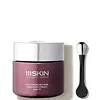
This barrier-repair night moisturizer is formulated around Centella Asiatica Extract and Hyaluronic Acid to strengthen the skin barrier and calm redness.
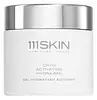
This calming moisturizer is formulated around Tetrahexyldecyl Ascorbate and Panax Ginseng Root Extract to calm redness and hydrate skin.

What's inside
What's inside
 Key Ingredients
Benefits
Concerns
Ingredients Side-by-side
Water
Skin ConditioningIsopropyl Myristate
Emollient





Caprylic/Capric Triglyceride
Masking


Glyceryl Stearate Se
Emulsifying
Hydrogenated Palm Oil
Emollient
PEG-40 Hydrogenated Castor Oil
Emulsifying
Benzyl Alcohol
Perfuming




Stearic Acid
Cleansing
PEG-7 Hydrogenated Castor Oil
Emulsifying
Carbomer
Emulsion StabilisingTriethanolamine
BufferingLecithin
Emollient
Centella Asiatica Extract
Cleansing




Hyaluronic Acid
Humectant
Acetyl Cysteine
Antioxidant
Aesculus Hippocastanum Extract
Antioxidant
Sodium Ascorbyl Phosphate
Antioxidant


Olea Europaea Fruit Oil
Masking
Oryza Sativa Bran Oil
Emollient
Polysorbate 20
Emulsifying
Retinyl Palmitate
Skin Conditioning

Tocopherol
Antioxidant
Linoleic Acid
Cleansing
Xanthan Gum
EmulsifyingParfum
Masking
Water, Isopropyl Myristate, Caprylic/Capric Triglyceride, Glyceryl Stearate Se, Hydrogenated Palm Oil, PEG-40 Hydrogenated Castor Oil, Benzyl Alcohol, Stearic Acid, PEG-7 Hydrogenated Castor Oil, Carbomer, Triethanolamine, Lecithin, Centella Asiatica Extract, Hyaluronic Acid, Acetyl Cysteine, Aesculus Hippocastanum Extract, Sodium Ascorbyl Phosphate, Olea Europaea Fruit Oil, Oryza Sativa Bran Oil, Polysorbate 20, Retinyl Palmitate, Tocopherol, Linoleic Acid, Xanthan Gum, Parfum
Water
Skin ConditioningNelumbo Nucifera Root Water
TonicButylene Glycol
Humectant
PEG-40 Hydrogenated Castor Oil
Emulsifying
Glycerin
Humectant
Prunus Amygdalus Dulcis Oil
Skin Conditioning
Sodium Acrylates Copolymer
Carbomer
Emulsion StabilisingTetrahexyldecyl Ascorbate
Antioxidant
Ethylhexyl Palmitate
Emollient
Phenoxyethanol
Preservative
Betaine
Humectant
Lecithin
Emollient
Propanediol
Solvent
Benzyl Alcohol
Perfuming
Hordeum Vulgare Seed Extract
Skin ConditioningPentylene Glycol
Skin Conditioning
Prunus Persica Juice
MoisturisingPyrus Malus Juice
Skin ConditioningTriticum Vulgare Seed Extract
BufferingDisodium EDTA
ChelatingPanax Ginseng Root Extract
Emollient
Dehydroacetic Acid
Preservative
Trihydroxystearin
Skin Conditioning
Achillea Millefolium Extract
CleansingSodium Hyaluronate
Humectant
Menthol
Masking
Glyceryl Caprylate
EmollientAloe Barbadensis Leaf Extract
Emollient
Glyceryl Undecylenate
Emollient
Menthyl Lactate
Masking
Xanthan Gum
EmulsifyingGlucomannan
Skin ConditioningParfum
Masking
Benzyl Salicylate
Perfuming
Limonene
Perfuming
Citronellol
Perfuming
Linalool
Perfuming
Water, Nelumbo Nucifera Root Water, Butylene Glycol, PEG-40 Hydrogenated Castor Oil, Glycerin, Prunus Amygdalus Dulcis Oil, Sodium Acrylates Copolymer, Carbomer, Tetrahexyldecyl Ascorbate, Ethylhexyl Palmitate, Phenoxyethanol, Betaine, Lecithin, Propanediol, Benzyl Alcohol, Hordeum Vulgare Seed Extract, Pentylene Glycol, Prunus Persica Juice, Pyrus Malus Juice, Triticum Vulgare Seed Extract, Disodium EDTA, Panax Ginseng Root Extract, Dehydroacetic Acid, Trihydroxystearin, Achillea Millefolium Extract, Sodium Hyaluronate, Menthol, Glyceryl Caprylate, Aloe Barbadensis Leaf Extract, Glyceryl Undecylenate, Menthyl Lactate, Xanthan Gum, Glucomannan, Parfum, Benzyl Salicylate, Limonene, Citronellol, Linalool
Ingredients Explained
These ingredients are found in both products.
Ingredients higher up in an ingredient list are typically present in a larger amount.
Benzyl Alcohol is an aromatic alcohol with several roles: it's a preservative, solvent, and mild fragrance component with a floral scent.
This ingredient has been deemed safe for use in cosmetic formulations at concentrations up to 5%, and up to 10% in hair dyes. You'll typically see 0.5-2% in most rinse-off or leave-on products.
As a preservative, it works by disrupting the membrane of microbial proteins. This helps keep bacteria and fungi from growing in your products.
The sensitization picture is actually quite assuring as well:of nearly 71,000 patients patch tested with benzyl alcohol, only 0.21% showed a positive reaction with most of them being weakly positive.
This led researchers to conclude that benzyl alcohol cannot be regarded as a significant contact allergen.
It is worth noting this ingredient is classified as one of the EU's regulated fragrance allergens and restricted to 1% in finished products.
Labels must also declare it in concentrations above 0.001% in leave-on products and 0.01% in rinse-off products.
At concentrations around 5%, localized redness and itching can appear as a direct irritant response and not as a true allergic reaction.
Learn more about Benzyl AlcoholCarbomer is a synthetic thickening and gelling agent. It's basically the ingredient that gives a lot of serums, gels, creams, and sunscreens their smooth, non-sticky texture.
Although legally permitted at very high levels, carbomers are normally used at concentrations below 1%.
It also needs to be neutralized to actually thicken, and because it is a large molecule, it doesn't really penetrate the skin barrier.
Allergy-wise, the risk is very low. Clinical studies show carbomers have low potential for skin irritation/sensitization even at concentrations up to 100%.
A 2024 UK study patch-tested 1,302 patients and found true allergy to the parent group of carbomer to be rare with no confirmed relevant reactions.
Learn more about CarbomerLecithin is a term for a group of substances found in the cell membranes of plants, animals, and humans. They are made up of phospholipids.
Thanks to its amphiphilic structure (water-loving head and oil-loving tail), it is a true multitasker:
It plays well with most ingredients and is typically used at 0.1-1%. However, concentrations up to 50% have been reported in moisturizers.
Learn more about LecithinParfum is a catch-all term for an ingredient or more that is used to give a scent to products.
Also called "fragrance", this ingredient can be a blend of hundreds of chemicals or plant oils. This means every product with "fragrance" or "parfum" in the ingredients list is a different mixture.
For instance, Habanolide is a proprietary trade name for a specific aroma chemical. When used as a fragrance ingredient in cosmetics, most aroma chemicals fall under the broad labeling category of “FRAGRANCE” or “PARFUM” according to EU and US regulations.
The term 'parfum' or 'fragrance' is not regulated in many countries. In many cases, it is up to the brand to define this term.
For instance, many brands choose to label themselves as "fragrance-free" because they are not using synthetic fragrances. However, their products may still contain ingredients such as essential oils that are considered a fragrance by INCI standards.
One example is Calendula flower extract. Calendula is an essential oil that still imparts a scent or 'fragrance'.
Depending on the blend, the ingredients in the mixture can cause allergies and sensitivities on the skin. Some ingredients that are known EU allergens include linalool and citronellol.
Parfum can also be used to mask or cover an unpleasant scent.
The bottom line is: not all fragrances/parfum/ingredients are created equally. If you are worried about fragrances, we recommend taking a closer look at an ingredient. And of course, we always recommend speaking with a professional.
Learn more about ParfumPEG-40 Hydrogenated Castor Oil is an emulsifier derived from castor oil.
As an emulsifying agent, it helps other ingredients like fragrances and fat-soluble vitamins dissolve cohesively.
Due to its large molecule size, it doesn't penetrate beyond the skin's surface.
This ingredient has a solid regulatory track record; the CIR Expert Panel first concluded it was safe for use in cosmetics at concentrations up to 100% in 1997. A 2012 reassessment reaffirmed that finding. Safety studies have also found no irritation or evidence of toxicity.
A 2019 study did find this ingredient to grow Malassezia, so this ingredient may not be fungal acne safe.
Learn more about PEG-40 Hydrogenated Castor OilWater. It's the most common cosmetic ingredient of all. You'll usually see it at the top of ingredient lists, meaning that it makes up the largest part of the product.
So why is it so popular? Water most often acts as a solvent - this means that it helps dissolve other ingredients into the formulation.
You'll also recognize water as that liquid we all need to stay alive. If you see this, drink a glass of water. Remember to stay hydrated!
Learn more about WaterXanthan gum is used as a stabilizer and thickener within cosmetic products. It helps give products a sticky, thick feeling - preventing them from being too runny.
On the technical side of things, xanthan gum is a polysaccharide - a combination consisting of multiple sugar molecules bonded together.
Xanthan gum is a pretty common and great ingredient. It is a natural, non-toxic, non-irritating ingredient that is also commonly used in food products.
Learn more about Xanthan Gum

