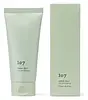
This mild gel cleanser is made to cleanse without leaving your skin tight or dry.
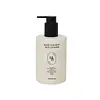
This mild cream cleanser is made to cleanse without leaving your skin tight or dry.

What's inside
What's inside
 Key Ingredients
Benefits
Concerns
Ingredients Side-by-side
Artemisia Princeps Leaf Water
MaskingWater
Skin ConditioningGlycerin
Humectant


Cocamidopropyl Betaine
Cleansing



1,2-Hexanediol
Skin Conditioning
Decyl Glucoside
Cleansing
Polyglyceryl-4 Caprate
EmulsifyingXanthan Gum
EmulsifyingSodium Chloride
MaskingMethyl Gluceth-20
Humectant
Lactobacillus Ferment
Skin Conditioning
Bifida Ferment Lysate
Skin Conditioning
Lactococcus Ferment
Skin ConditioningStreptococcus Thermophilus Ferment
Humectant
Cellulose Gum
Emulsion StabilisingCitrus Aurantium Bergamia Fruit Oil
Masking


Citric Acid
Buffering

Vinegar
Dipropylene Glycol
HumectantMalt Extract
Skin ProtectingButylene Glycol
Humectant
Propanediol
Solvent
Inonotus Obliquus Extract
Skin ConditioningInulin
Skin Conditioning
Sodium Phytate
ChelatingXylitol
Humectant
Fructooligosaccharides
Humectant
Artemisia Annua Extract
Masking
Azadirachta Indica Leaf Extract
Skin ConditioningCamellia Sinensis Leaf Extract
Antimicrobial



Artemisia Princeps Leaf Extract
Skin ConditioningHouttuynia Cordata Extract
Skin Conditioning
Rhamnose
HumectantCentella Asiatica Extract
Cleansing
Glyceryl Caprylate
EmollientLimonene
Perfuming
Linalool
Perfuming
Artemisia Princeps Leaf Water, Water, Glycerin, Cocamidopropyl Betaine, 1,2-Hexanediol, Decyl Glucoside, Polyglyceryl-4 Caprate, Xanthan Gum, Sodium Chloride, Methyl Gluceth-20, Lactobacillus Ferment, Bifida Ferment Lysate, Lactococcus Ferment, Streptococcus Thermophilus Ferment, Cellulose Gum, Citrus Aurantium Bergamia Fruit Oil, Citric Acid, Vinegar, Dipropylene Glycol, Malt Extract, Butylene Glycol, Propanediol, Inonotus Obliquus Extract, Inulin, Sodium Phytate, Xylitol, Fructooligosaccharides, Artemisia Annua Extract, Azadirachta Indica Leaf Extract, Camellia Sinensis Leaf Extract, Artemisia Princeps Leaf Extract, Houttuynia Cordata Extract, Rhamnose, Centella Asiatica Extract, Glyceryl Caprylate, Limonene, Linalool
Citrus Junos Fruit Water
Masking
Water
Skin ConditioningVigna Radiata Seed Extract
Skin ConditioningGlycerin
Humectant
Simmondsia Chinensis Seed Oil
Emollient
Propylene Glycol Dicaprylate/Dicaprate
EmollientGlycine Soja Seed Extract
Skin Conditioning
Glycine Soja Oil
Emollient

Decyl Glucoside
Cleansing
Betaine
Humectant
Polyglyceryl-3 Methylglucose Distearate
Emulsifying
Cetearyl Alcohol
Emollient
Butylene Glycol
Humectant
Glyceryl Stearate
Emollient
Schisandra Chinensis Fruit Extract
Skin Conditioning
Artemisia Princeps Leaf Water
MaskingCamellia Sinensis Leaf Water
Masking
Glycine Soja Peptide
Skin Conditioning
Avena Sativa Peptide
Skin Conditioning
Glycine Max Polypeptide
Skin Conditioning
Triticum Aestivum Peptide
Skin Conditioning
Lactobacillus Ferment
Skin Conditioning
Lactococcus Ferment
Skin ConditioningRehmannia Glutinosa Root Extract
Skin ConditioningCornus Officinalis Fruit Extract
Skin ConditioningAlisma Orientale Tuber Extract
Skin ConditioningCoptis Japonica Root Extract
Skin ConditioningDioscorea Japonica Root Extract
Skin Conditioning
Paeonia Suffruticosa Root Extract
Skin ProtectingSmilax Glabra Root Extract
Skin ConditioningArtemisia Annua Extract
Masking
Lepidium Meyenii Root Extract
Skin ConditioningOryza Sativa Extract
Absorbent
Stellaria Media Extract
Skin ConditioningAvena Sativa Meal Extract
SoothingHydrolyzed Vegetable Protein
Skin ConditioningGlycoproteins
Skin Conditioning
Maltodextrin
Absorbent
Tromethamine
Buffering1,2-Hexanediol
Skin Conditioning
Xanthan Gum
EmulsifyingSodium Stearoyl Glutamate
CleansingPentylene Glycol
Skin Conditioning
Acrylates/C10-30 Alkyl Acrylate Crosspolymer
Emulsion StabilisingPolyquaternium-51
Skin Conditioning
Propanediol
Solvent
Cyanocobalamin
Skin ConditioningSorbitan Stearate
Emulsifying
Hydroxyacetophenone
Antioxidant
Ethylhexylglycerin
Skin ConditioningPalmitic Acid
Emollient
Stearic Acid
Cleansing
Disodium EDTA
ChelatingCitrus Junos Fruit Water, Water, Vigna Radiata Seed Extract, Glycerin, Simmondsia Chinensis Seed Oil, Propylene Glycol Dicaprylate/Dicaprate, Glycine Soja Seed Extract, Glycine Soja Oil, Decyl Glucoside, Betaine, Polyglyceryl-3 Methylglucose Distearate, Cetearyl Alcohol, Butylene Glycol, Glyceryl Stearate, Schisandra Chinensis Fruit Extract, Artemisia Princeps Leaf Water, Camellia Sinensis Leaf Water, Glycine Soja Peptide, Avena Sativa Peptide, Glycine Max Polypeptide, Triticum Aestivum Peptide, Lactobacillus Ferment, Lactococcus Ferment, Rehmannia Glutinosa Root Extract, Cornus Officinalis Fruit Extract, Alisma Orientale Tuber Extract, Coptis Japonica Root Extract, Dioscorea Japonica Root Extract, Paeonia Suffruticosa Root Extract, Smilax Glabra Root Extract, Artemisia Annua Extract, Lepidium Meyenii Root Extract, Oryza Sativa Extract, Stellaria Media Extract, Avena Sativa Meal Extract, Hydrolyzed Vegetable Protein, Glycoproteins, Maltodextrin, Tromethamine, 1,2-Hexanediol, Xanthan Gum, Sodium Stearoyl Glutamate, Pentylene Glycol, Acrylates/C10-30 Alkyl Acrylate Crosspolymer, Polyquaternium-51, Propanediol, Cyanocobalamin, Sorbitan Stearate, Hydroxyacetophenone, Ethylhexylglycerin, Palmitic Acid, Stearic Acid, Disodium EDTA
Reviews
Ingredients Explained
These ingredients are found in both products.
Ingredients higher up in an ingredient list are typically present in a larger amount.
1,2-Hexanediol is a synthetic liquid and another multi-functional powerhouse.
It is a:
- Humectant, drawing moisture into the skin
- Emollient, helping to soften skin
- Solvent, dispersing and stabilizing formulas
- Preservative booster, enhancing the antimicrobial activity of other preservatives
Artemisia Annua Extract comes from sweet wormwood or the annual mugwort. This plant is best known historically as the source of the anti-malarial drug, artemisinin.
In skincare, this ingredient has skin soothing and conditioning properties that make it a great choice for sensitive, reactive, or acne-prone skin.
The extract is rich in polyphenols, flavonoids, and sesquiterpenes that do most of the work in a formula.
A 2020 human clinical trial found that cosmetics containing Artemisia Annua Extract increased stratum corneum hydration and reduced transepidermal water loss while also calming redness and inflammation over four weeks of use.
Lab and animal studies build on this as well, showing the extract reduces inflammatory signals, boosts a protein important for barrier health (filaggrin), and has anti-itch/antibacterial activity (including against C.acnes, the bacteria linked to breakouts).
There's also a well-documented artemisinin-free version called Artemisia Naphta oil which performed well at 1% in a small human trial for sensitive and acne-prone skin.
On concentrations, published research clusters around 1% for finished products.
The ingredient is generally well-tolerated, but people with Asteraceae or ragweed allergies may want to patch test first.
Learn more about Artemisia Annua ExtractArtemisia Princeps Leaf Water is created from the wugwort native to Korea, China, and Japan.
Artemisia Princeps contains antioxidants and ant-inflammatory properties.
This flower is part of the sunflower family.
Learn more about Artemisia Princeps Leaf WaterButylene Glycol (or BG) is used within cosmetic products for a few different reasons:
Overall, Butylene Glycol is a safe and well-rounded ingredient that works well with other ingredients.
Though this ingredient works well with most skin types, some people with sensitive skin may experience a reaction such as allergic rashes, closed comedones, or itchiness.
Learn more about Butylene GlycolDecyl Glucoside is a plant-derived surfactant and emulsion stabilizer. It is created by reacting glucose with the fatty acids from plants.
Like all surfactants, it works by lowering the surface tension between water and oil. This makes it so that dirt, sebum, and makeup can be lifted off your skin and rinsed away. It also produces a dense and creamy foam.
Because it has a neutral charge, it is compatible with a wide range of ingredients and stays stable across a broad pH range/water hardiness conditions.
Patch testing has shown it to have the lowest irritation potential among common cleansing surfactants (like SLS).
Typical use levels range from 5-20% in rinse-off cleansers.
One thing worth knowing: The American Contact Dermatitis Society named the parent family, alkyl glucosides, "Allergen of the Year" in 2017. The prevalence of allergy is pretty low but be sure to patch test if you've reacted to "gentle" or sulfate-free cleansers before.
This ingredient is fungal acne safe because the fatty alcohol portion of this ingredient is not within the C11-24 chain length that Malassezia can metabolize.
Learn more about Decyl GlucosideGlycerin (or glycerol) is a compound naturally found in your skin. It's a powerhouse humectant that pulls water into the stratum corneum.
Topically, glycerin does several things at once:
Your skin makes glycerin on its own (mostly from sebaceous oil breakdown) and shuttles it to your outermost layer of skin, or your epidermis, via aquaporin-3.
Aquaporin-3 is a transporter that is essential for normal skin hydration, elasticity, and repair. Interestingly, mice lacking in AQP3 have dry and less elastic skin that can be fully corrected with glycerin.
This ingredient is non-irritating, plays well with almost every ingredient, and works across all skin types. Typical use is anywhere between 3-10% but can go up to 79% in some leave-on products.
Just know very high concentrations (>40%) can feel tacky in low humidity.
Glycerin is the name for this ingredient in American English. British English uses Glycerol/Glycerine.
Learn more about GlycerinThis ingredient is made when the Lactobacillus bacteria (the same kind that makes yogurt and kimchi) are allowed to ferment a nutrient medium.
As it ferments, it collects lactic acid, peptides, enzymes, and other bioactive metabolites to provide:
A 2023 review noted that probiotic fermentation ingredients like this one can enhance antioxidant capacity, reduce UV-induced oxidative damage, and support barrier function.
One clinical study from the same year showed a Lactobacillus ferment lysate significantly reduced transepidermal water loss and improved skin hydration.
Another review highlighted that topical Lactobacillus-based preparations can improve ceramide levels in the stratum corneum, support barrier integrity, and even help reduce S. aureus colonization in atopic dermatitis.
Why is this so cool?
Basically, your skin's outer layer works as a brick wall; skin cells are bricks and ceramides are the mortar holding it together. Moisture escapes, irritants get in, and your skin gets dry and reactive when ceramide levels drop. On top of that, "bad" skin bacteria S. aureus loves to move in when your barrier is weak to make inflammation and irritation worse.
So Lactobacillus ferment is basically patching the wall and evicting the troublemaker when it boosts ceramide production and help keep S. aureus in check.
On top of all this, it also acts as a mild antimicrobial preservative booster.
Just so you know, most studies focus on specific strains or the lysate form rather than this generic "Lactobacillus Ferment", so results can vary.
Though it's a promising ingredient, it doesn't have decades of robust clinical data behind it just yet.
Lactobacillus Ferment is generally considered safe for fungal-acne prone skin. The key thing to understand is that it comes from bacteria, not yeast or fungus.
Yeast-derived ferments (like galactomyces) have been shown to activate a protein that's linked to Malassezia-related skin issues whereas lactobacillus doesn't have that problem.
Its byproducts also don't contain the types of fatty acids (C11-24 chain lengths) that Malassezia feeds on.
Learn more about Lactobacillus FermentWe don't have a description for Lactococcus Ferment yet.
Propanediol is an all-star ingredient. It softens, hydrates, and smooths the skin.
It’s often used to:
Propanediol is not likely to cause sensitivity and considered safe to use. It is derived from corn or petroleum with a clear color and no scent.
Learn more about PropanediolWater. It's the most common cosmetic ingredient of all. You'll usually see it at the top of ingredient lists, meaning that it makes up the largest part of the product.
So why is it so popular? Water most often acts as a solvent - this means that it helps dissolve other ingredients into the formulation.
You'll also recognize water as that liquid we all need to stay alive. If you see this, drink a glass of water. Remember to stay hydrated!
Learn more about WaterXanthan gum is used as a stabilizer and thickener within cosmetic products. It helps give products a sticky, thick feeling - preventing them from being too runny.
On the technical side of things, xanthan gum is a polysaccharide - a combination consisting of multiple sugar molecules bonded together.
Xanthan gum is a pretty common and great ingredient. It is a natural, non-toxic, non-irritating ingredient that is also commonly used in food products.
Learn more about Xanthan Gum

