ZO Skin Health Peptide Facial Refining Concentrate Versus SkinCeuticals P-Tiox Wrinkle Modulating Peptide Serum
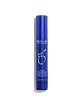
This anti-aging treatment is formulated around Acetyl Octapeptide-3 and Acetyl Hexapeptide-8 to soften the look of wrinkles.
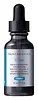
This anti-aging serum is formulated around Dipeptide Diaminobutyroyl Benzylamide Diacetate and Acetyl Hexapeptide-8 to soften the look of wrinkles and refine skin texture.

What's inside
What's inside
 Key Ingredients
Benefits
Concerns
Ingredients Side-by-side
Water
Skin ConditioningGlycerin
Humectant


Propanediol
Solvent
Acetyl Octapeptide-3
Humectant

Acetyl Hexapeptide-8
Humectant
Palmitoyl Dipeptide-5 Diaminobutyroyl Hydroxythreonine
Skin Conditioning
Palmitoyl Dipeptide-5 Diaminohydroxybutyrate
Skin Conditioning
Laminaria Digitata Extract
Skin Protecting

Opuntia Ficus-Indica Stem Extract
Skin Conditioning
Tocopherol
Antioxidant




Caprylyl Glycol
Emollient
Hexylene Glycol
EmulsifyingSodium Hyaluronate
Humectant
Galactoarabinan
Schizophyllan
HumectantTetradecyl Aminobutyroylvalylaminobutyric Urea Trifluoroacetate
Skin ConditioningUrea Acetate
Beta-Sitosterol
Emulsion Stabilising
Lecithin
Emollient
Hydrogenated Phosphatidylcholine
Emulsifying
Lysolecithin
EmulsifyingCarbomer
Emulsion StabilisingXanthan Gum
EmulsifyingMagnesium Chloride
Disodium EDTA
ChelatingPhytic Acid
Chelating
Maltodextrin
Absorbent
Squalene
Emollient

Aminomethyl Propanol
BufferingCitric Acid
Buffering
Phenoxyethanol
Preservative
Ethylhexylglycerin
Skin ConditioningSodium Benzoate
Masking
Potassium Sorbate
Preservative
Water, Glycerin, Propanediol, Acetyl Octapeptide-3, Acetyl Hexapeptide-8, Palmitoyl Dipeptide-5 Diaminobutyroyl Hydroxythreonine, Palmitoyl Dipeptide-5 Diaminohydroxybutyrate, Laminaria Digitata Extract, Opuntia Ficus-Indica Stem Extract, Tocopherol, Caprylyl Glycol, Hexylene Glycol, Sodium Hyaluronate, Galactoarabinan, Schizophyllan, Tetradecyl Aminobutyroylvalylaminobutyric Urea Trifluoroacetate, Urea Acetate, Beta-Sitosterol, Lecithin, Hydrogenated Phosphatidylcholine, Lysolecithin, Carbomer, Xanthan Gum, Magnesium Chloride, Disodium EDTA, Phytic Acid, Maltodextrin, Squalene, Aminomethyl Propanol, Citric Acid, Phenoxyethanol, Ethylhexylglycerin, Sodium Benzoate, Potassium Sorbate
Water
Skin ConditioningNiacinamide
Smoothing




Gluconolactone
Chelating
Butylene Glycol
Humectant
PEG/PPG/Polybutylene Glycol-8/5/3 Glycerin
HumectantAlcohol Denat.
Antimicrobial


Pentylene Glycol
Skin Conditioning
Methyl Gluceth-20
Humectant
Glycerin
Humectant
Potassium Hydroxide
BufferingHydroxyethylcellulose
Emulsion StabilisingSalicylic Acid
Masking
Chlorphenesin
Antimicrobial
Phytic Acid
Chelating
Adenosine
Skin Conditioning
Sodium Benzoate
Masking
Laminaria Digitata Extract
Skin Protecting
Dipeptide Diaminobutyroyl Benzylamide Diacetate
Skin Conditioning
Acetyl Hexapeptide-8
Humectant
Water, Niacinamide, Gluconolactone, Butylene Glycol, PEG/PPG/Polybutylene Glycol-8/5/3 Glycerin, Alcohol Denat., Pentylene Glycol, Methyl Gluceth-20, Glycerin, Potassium Hydroxide, Hydroxyethylcellulose, Salicylic Acid, Chlorphenesin, Phytic Acid, Adenosine, Sodium Benzoate, Laminaria Digitata Extract, Dipeptide Diaminobutyroyl Benzylamide Diacetate, Acetyl Hexapeptide-8
Reviews
Ingredients Explained
These ingredients are found in both products.
Ingredients higher up in an ingredient list are typically present in a larger amount.
Acetyl Hexapeptide-8 (also known as Argireline) is a synthetic hexapeptide that is often called a "topical Botox alternative".
It works by mimicking how Botox relaxes muscles; it interferes with the signaling process that tells your facial muscles to contract. This can help soften expression lines like forehead wrinkles or crow's feet over time.
The comparison to Botox does have limits because the molecule is water-loving and relatively large.
Acetyl Hexapeptide-8 has a hard time absorbing deeply enough through the skin's outer barrier to actually reach the muscles.
So whether it truly works the way Botox does at a biological level is still up for debate, but early clinical outcomes are fairly encouraging.
A 12 week human study of a multi-ingredient regimen containing this ingredient saw:
While some studies have observed improvements in wrinkle appearance, it is important to note that more consistent results are seen in multi-ingredient formulations (vs just Acetyl Hexapeptide-8 alone).
Some research studies also used higher concentrations (up to 10%) while this ingredient is usually found in concentrations up to 0.005% in leave-on formulations.
Learn more about Acetyl Hexapeptide-8Glycerin (or glycerol) is a compound naturally found in your skin. It's a powerhouse humectant that pulls water into the stratum corneum.
Topically, glycerin does several things at once:
Your skin makes glycerin on its own (mostly from sebaceous oil breakdown) and shuttles it to your outermost layer of skin, or your epidermis, via aquaporin-3.
Aquaporin-3 is a transporter that is essential for normal skin hydration, elasticity, and repair. Interestingly, mice lacking in AQP3 have dry and less elastic skin that can be fully corrected with glycerin.
This ingredient is non-irritating, plays well with almost every ingredient, and works across all skin types. Typical use is anywhere between 3-10% but can go up to 79% in some leave-on products.
Just know very high concentrations (>40%) can feel tacky in low humidity.
Glycerin is the name for this ingredient in American English. British English uses Glycerol/Glycerine.
Learn more about GlycerinLaminaria Digitata Extract comes from the big brown seaweed (or kelp) that grows in the North Atlantic. In skincare, it's mostly used as a skin protectant and conditioning agent.
The most interesting stuff inside is mostly just sugars and minerals: fucoidan (a sulfated polysaccharide), laminarin (a beta-glucan), alginates, and phlorotannins (seaweed polyphenols).
Any antioxidant and soothing claims mostly come from those polysaccharides; crude laminarin and fucoidan from Laminaria digitata do show antioxidant and anti-inflammatory activity in lab assays.
Just know that the lab assays are test-tube work on isolated compounds and not clinical trials on the finished extract.
Realistically, this ingredient is a nice-feeling and hydrating skin conditioner (not really an active).
Safety-wise, it's one of the better documented seaweeds and safe to be used in cosmetics according to the CIR Expert Panel.
Industry surveys find that usage concentrations run can be found up to 5% in bubble baths and leave-on usage is more likely 0.1-3%.
The risk of allergy is also quite low as human repeat insult patch tests (under 5% and blends containing 8-12%) came back non-irritating and non-sensitizing. Rabbit studies came back negative too, though one trade mixture at 1.5-2.5% in water + propylene glycol did cause moderate irritation at 30 minutes.
Reported seaweed allergies in the literature are almost all occupational (people handling wet kelp) or from a totally unrelated blue/green alga.
You'll see seaweed listed as a 5/5 on a lot of pore-clogging charts and that number doesn't come from anywhere; it's not in the original rabbit-ear studies that most comedogenic ratings trace back to.
The reasoning behind the reputation is that seaweed is high in iodine and iodine can trigger acne-like breakouts when eaten. This traces back to a 1976 letter in Archives of Dermatology describing two women whose breakouts cleared after they stopped taking high-dose kelp supplements orally.
And the reaction of these two women wasn't clogged pores at all: it was an iodine-triggered pustular rash. Later research found normal dietary iodine doesn't meaningfully affect acne either and nobody has shown topical algae delivers enough iodine to matter.
What we do have is dozens of brown and red algae ingredients found to be non-irritating and non-sensitizing, and a handful of studies that found algae compounds may actually help acne.
However, plenty of people do report breaking out from algae-containing products. Skin is individual and it's worth avoiding if yours has reacted to algae before.
The 0-5 scale comes from applying ingredients to the inside of an albino rabbit's ear. Rabbit follicles are far more reactive than human ones so it over-predicts. Even petrolatum was reassigned as non-comedogenic by the original scientist, Kligman.
Here are three more problems of comedogenic ratings:
Learn more about Laminaria Digitata ExtractPhytic Acid is a gentle AHA and antioxidant. AHAs are chemical exfoliants that help remove dead skin cells. Phytic Acid has a slight and mild exfoliating effect.
The chemical makeup makes it classified as an AHA, much like lactic acid.
In some cases, it is a chelating agent. Chelating agents help prevent metals from binding to water, helping to stabilize the ingredients in a product.
An interesting fact about phytic acid is that it is considered an antinutrient. People do not have the enzyme needed to properly breakdown and digest phytic acid. When ingested, phytic acid binds to minerals and prevents them from being absorbed.
Read more about some other popular AHA's here:
Learn more about Phytic AcidSodium Benzoate is a preservative. It's used in both cosmetic and food products to inhibit the growth of mold and bacteria. It is typically produced synthetically.
Both the US FDA and EU Health Committee have approved the use of sodium benzoate. In the US, levels of 0.1% (of the total product) are allowed.
Sodium benzoate works as a preservative by inhibiting the growth of bacteria inside of cells. It prevents the cell from fermenting a type of sugar using an enzyme called phosphofructokinase.
It is the salt of benzoic acid. Foods containing sodium benzoate include soda, salad dressings, condiments, fruit juices, wines, and snack foods.
Studies for using ascorbic acid and sodium benzoate in cosmetics are lacking, especially in skincare routines with multiple steps.
We always recommend speaking with a professional, such as a dermatologist, if you have any concerns.
Learn more about Sodium BenzoateWater. It's the most common cosmetic ingredient of all. You'll usually see it at the top of ingredient lists, meaning that it makes up the largest part of the product.
So why is it so popular? Water most often acts as a solvent - this means that it helps dissolve other ingredients into the formulation.
You'll also recognize water as that liquid we all need to stay alive. If you see this, drink a glass of water. Remember to stay hydrated!
Learn more about Water

