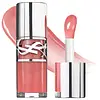
This barrier-repair lip moisturizer is formulated around Squalane and Sodium Hyaluronate to strengthen the lip barrier and hydrate lips.

What's inside
What's inside
 Key Ingredients
Benefits
Concerns
Ingredients Side-by-side
Polybutene
Hydrogenated Polyisobutene
EmollientDiisostearyl Malate
EmollientTridecyl Trimellitate
EmollientOctyldodecanol
Emollient
Silica Dimethyl Silylate
EmollientCalcium Sodium Borosilicate
Sorbitan Isostearate
Emulsifying

Glyceryl Caprylate
EmollientCI 77891
Cosmetic ColorantParfum
Masking



Methyl Nicotinate
SoothingTocopheryl Acetate
Antioxidant


Dehydroacetic Acid
Preservative
Polyglyceryl-2 Triisostearate
Emulsifying
Zingiber Officinale Root Oil
Masking


Canola Oil
Emollient

Capsicum Frutescens Fruit Extract
Skin Conditioning
CI 77499
Cosmetic ColorantCI 17200
Cosmetic ColorantCaprylic/Capric Triglyceride
Masking


CI 42090
Cosmetic ColorantTin Oxide
Abrasive
CI 45410
Cosmetic ColorantPolyglyceryl-2 Diisostearate
Emulsifying
Hyaluronic Acid
Humectant


Panthenol
Skin Conditioning
Ficus Carica Fruit Extract
Humectant
Polybutene, Hydrogenated Polyisobutene, Diisostearyl Malate, Tridecyl Trimellitate, Octyldodecanol, Silica Dimethyl Silylate, Calcium Sodium Borosilicate, Sorbitan Isostearate, Glyceryl Caprylate, CI 77891, Parfum, Methyl Nicotinate, Tocopheryl Acetate, Dehydroacetic Acid, Polyglyceryl-2 Triisostearate, Zingiber Officinale Root Oil, Canola Oil, Capsicum Frutescens Fruit Extract, CI 77499, CI 17200, Caprylic/Capric Triglyceride, CI 42090, Tin Oxide, CI 45410, Polyglyceryl-2 Diisostearate, Hyaluronic Acid, Panthenol, Ficus Carica Fruit Extract
Water
Skin ConditioningMethyl Hydrogenated Rosinate
Perfuming
Glycerin
Humectant
Hydrogenated Polyisobutene
EmollientAlcohol
Antimicrobial

Caprylic/Capric Triglyceride
Masking
Hydrogenated Polycyclopentadiene
Bis-Behenyl/Isostearyl/Phytosteryl Dimer Dilinoleyl Dimer Dilinoleate
EmollientPolyglyceryl-2 Triisostearate
Emulsifying
C10-18 Triglycerides
Emollient
Diglycerin
Humectant
Steareth-21
CleansingMyreth-3 Myristate
Emollient
Hydroxyethyl Acrylate/Sodium Acryloyldimethyl Taurate Copolymer
Emulsion StabilisingMalva Sylvestris Extract
AstringentDipalmitoyl Hydroxyproline
Skin Conditioning
Squalane
Emollient
Parfum
Masking
Steareth-2
EmulsifyingMenthoxypropanediol
Masking
Pentylene Glycol
Skin Conditioning
Sodium Hyaluronate
Humectant
Hydroxyacetophenone
Antioxidant
Sodium Benzoate
Masking
Palmitic Acid
Emollient
Polysorbate 60
Emulsifying
Ammonium Glycyrrhizate
MaskingSodium Citrate
BufferingSorbitan Isostearate
Emulsifying
Ethyl Vanillin
MaskingCitric Acid
Buffering
Capsicum Frutescens Fruit Extract
Skin Conditioning
Potassium Sorbate
Preservative
Tocopherol
Antioxidant
Pentaerythrityl Tetra-Di-T-Butyl Hydroxyhydrocinnamate
Antioxidant
Water, Methyl Hydrogenated Rosinate, Glycerin, Hydrogenated Polyisobutene, Alcohol, Caprylic/Capric Triglyceride, Hydrogenated Polycyclopentadiene, Bis-Behenyl/Isostearyl/Phytosteryl Dimer Dilinoleyl Dimer Dilinoleate, Polyglyceryl-2 Triisostearate, C10-18 Triglycerides, Diglycerin, Steareth-21, Myreth-3 Myristate, Hydroxyethyl Acrylate/Sodium Acryloyldimethyl Taurate Copolymer, Malva Sylvestris Extract, Dipalmitoyl Hydroxyproline, Squalane, Parfum, Steareth-2, Menthoxypropanediol, Pentylene Glycol, Sodium Hyaluronate, Hydroxyacetophenone, Sodium Benzoate, Palmitic Acid, Polysorbate 60, Ammonium Glycyrrhizate, Sodium Citrate, Sorbitan Isostearate, Ethyl Vanillin, Citric Acid, Capsicum Frutescens Fruit Extract, Potassium Sorbate, Tocopherol, Pentaerythrityl Tetra-Di-T-Butyl Hydroxyhydrocinnamate
Reviews
Ingredients Explained
These ingredients are found in both products.
Ingredients higher up in an ingredient list are typically present in a larger amount.
Caprylic/Capric Triglyceride (aka MCT Oil) is a lightweight emollient, solvent, and texture enhancer. It is considered a skin-softener by helping to prevent moisture loss.
Though it behaves like an oil, it is not technically one due to its chemical composition. One perk of this ingredient is that it is very stable, resistant to oxidation, and unlikely to go rancid.
In practice, that translates to a long shelf life and a consistently elegant skin feel.
While there is an assumption Caprylic Triglyceride can clog pores due to it being derived from coconut oil, there is no research supporting this. Just patch test if you have concerns.
Fractionated coconut oil and MCT Oil are both listed as Caprylic/Capric Triglyceride according to INCI. This is because INCI names are based on the ingredient’s final chemical composition and not its marketing name or source.
This ingredient is treated as the gold standard fungal acne safe oil. Even though it is coconut derived, the problematic lauric acid is stripped out.
This leaves just caprylic (C8) and capric (C10) acid. These chain lengths actually trend antifungal; a 2020 study found caprylic acid was enough to disrupt Malassezia furfur cell membrane, with a caprylic acid derivative damaging membrane structures at concentrations as low as 0.2%.
Learn more about Caprylic/Capric TriglycerideCapsicum Frutescens is a type of wild chili pepper. Some varieties of this pepper include Tabasco pepper, Malagueta pepper, and Piri Piri pepper.
Though this ingredient is normally associated with food, it has antidandruff, antifungal, antimicrobial, and antioxidant properties.
Studies show low concentrations of this ingredient did not cause skin irritation:
Raw peppers may have a rubefacient effect, or mild local skin irritation resulting in vasodilation. Vasodilation is the widening of blood vessels. Due to this, peppers can provide a lip plumping effect. However, it is most likely not going to have a rubefacient effect, or cause skin irritation, in your cosmetics.
The antioxidant activity comes from its flavonoid, polyphenol, and sterol content.
This ingredient is water-soluble.
Learn more about Capsicum Frutescens Fruit ExtractHydrogenated Polyisobutene is a synthetic polymer. Polymers are compounds with high molecular weight. Hydrogenated Polyisobutene is an emollient and texture enhancer.
In one study, Hydrogenated Polyisobutene showed better skin hydration levels than Caprylic/Capric Triglyceride. As an emollient, it helps keep your skin soft and hydrated by trapping moisture in.
Hydrogenated Polyisobutene is often used as a mineral oil replacement.
Learn more about Hydrogenated PolyisobuteneParfum is a catch-all term for an ingredient or more that is used to give a scent to products.
Also called "fragrance", this ingredient can be a blend of hundreds of chemicals or plant oils. This means every product with "fragrance" or "parfum" in the ingredients list is a different mixture.
For instance, Habanolide is a proprietary trade name for a specific aroma chemical. When used as a fragrance ingredient in cosmetics, most aroma chemicals fall under the broad labeling category of “FRAGRANCE” or “PARFUM” according to EU and US regulations.
The term 'parfum' or 'fragrance' is not regulated in many countries. In many cases, it is up to the brand to define this term.
For instance, many brands choose to label themselves as "fragrance-free" because they are not using synthetic fragrances. However, their products may still contain ingredients such as essential oils that are considered a fragrance by INCI standards.
One example is Calendula flower extract. Calendula is an essential oil that still imparts a scent or 'fragrance'.
Depending on the blend, the ingredients in the mixture can cause allergies and sensitivities on the skin. Some ingredients that are known EU allergens include linalool and citronellol.
Parfum can also be used to mask or cover an unpleasant scent.
The bottom line is: not all fragrances/parfum/ingredients are created equally. If you are worried about fragrances, we recommend taking a closer look at an ingredient. And of course, we always recommend speaking with a professional.
Learn more about ParfumPolyglyceryl-2 Triisostearate is a plant-derived emulsifier and pigment-dispersing agent with a non-sticky skin feel.
It helps products glide on smoothly and prevents oil and water from separating in a formula, making it suitable for sunscreen and makeup formulations.
The EU inventory of cosmetics has no use restrictions on this ingredient and it is considered well-tolerated.
This ingredient may not be fungal acne safe because it is derived from isostearic acid.
Learn more about Polyglyceryl-2 TriisostearateSorbitan Isostearate is an emulsifer. It is created from isostearic acid and sorbitol.
As an emulsifier, it keeps the water and oil ingredients from separating. This keeps formulas stable and smooth.
In a 24 hour occlusive patch test on 56 subjects, 10% sorbitan isostearate was completely non-irritating. Most formulas use less than 10%.
Because it's a fatty acid ester, it may not be fungal acne safe since the Malassezia yeast can utilize it as a nutrient source.
Learn more about Sorbitan Isostearate

