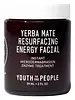
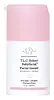
Youth To The People Yerba Mate Resurfacing + Exfoliating Energy Facial with Enzymes Versus Drunk Elephant T.L.C. Sukari Babyfacial
This smoothing exfoliator is formulated around Lactic Acid and Bromelain to refine skin texture and brighten dull-looking skin.
This wash off mask is formulated around Salicylic Acid to clear breakouts and unclog pores.

What's inside
What's inside
 Key Ingredients
Benefits
Concerns
Ingredients Side-by-side
Water
Skin ConditioningBambusa Arundinacea Stem Extract
Skin ConditioningDiatomaceous Earth
Abrasive

Carthamus Tinctorius Seed Oil
Masking



Propanediol
Solvent
Aloe Barbadensis Leaf Juice
Skin Conditioning

Cetyl Alcohol
Emollient

Glyceryl Stearate
Emollient
Glycerin
Humectant
Lactic Acid
Buffering







Sodium Acrylate/Sodium Acryloyldimethyl Taurate Copolymer
Emulsion StabilisingNiacinamide
Smoothing

Phenoxyethanol
Preservative
C15-19 Alkane
SolventIlex Paraguariensis Leaf Extract
Perfuming
Ilex Guayusa Leaf Extract
Skin ProtectingPotassium Sorbate
Preservative
Polyglyceryl-6 Laurate
Emulsifying
Tocopherol
Antioxidant

Ethylhexylglycerin
Skin ConditioningBromelain
Skin Conditioning
Sodium Phytate
ChelatingPapain
Skin Conditioning
Polyglycerin-6
HumectantZingiber Officinale Root Oil
Masking
Passiflora Edulis Fruit Extract
Skin ConditioningXanthan Gum
EmulsifyingCurcuma Longa Root Powder
Skin ConditioningHylocereus Undatus Fruit Extract
Skin ConditioningWater, Bambusa Arundinacea Stem Extract, Diatomaceous Earth, Carthamus Tinctorius Seed Oil, Propanediol, Aloe Barbadensis Leaf Juice, Cetyl Alcohol, Glyceryl Stearate, Glycerin, Lactic Acid, Sodium Acrylate/Sodium Acryloyldimethyl Taurate Copolymer, Niacinamide, Phenoxyethanol, C15-19 Alkane, Ilex Paraguariensis Leaf Extract, Ilex Guayusa Leaf Extract, Potassium Sorbate, Polyglyceryl-6 Laurate, Tocopherol, Ethylhexylglycerin, Bromelain, Sodium Phytate, Papain, Polyglycerin-6, Zingiber Officinale Root Oil, Passiflora Edulis Fruit Extract, Xanthan Gum, Curcuma Longa Root Powder, Hylocereus Undatus Fruit Extract
Water
Skin ConditioningGlycolic Acid
Buffering
Hydroxyethyl Acrylate/Sodium Acryloyldimethyl Taurate Copolymer
Emulsion StabilisingGlycerin
Humectant
Sodium Hydroxide
BufferingSalicylic Acid
Masking

Aloe Barbadensis Leaf Extract
Emollient
Camellia Oleifera Leaf Extract
AstringentLactobacillus/Pumpkin Ferment Extract
Skin ConditioningLactobacillus/Punica Granatum Fruit Ferment Extract
Antioxidant
Opuntia Ficus-Indica Extract
Skin Conditioning
Pyrus Malus Fruit Extract
Skin Conditioning
Silybum Marianum Seed Extract
Skin ConditioningSaccharomyces Cerevisiae Extract
Skin Conditioning
Vitis Vinifera Juice Extract
Antioxidant
Camellia Sinensis Leaf Powder
Cicer Arietinum Seed Powder
Abrasive
Sclerocarya Birrea Seed Oil
Humectant
Passiflora Edulis Seed Oil
Emollient
Leuconostoc/Radish Root Ferment Filtrate
Antimicrobial
Sodium Hyaluronate Crosspolymer
Humectant
Sodium PCA
Humectant
Allantoin
Skin Conditioning
Dipotassium Glycyrrhizate
Humectant
Dextrin
AbsorbentPolydextrose
HumectantSorbitan Isostearate
Emulsifying
Amylopectin
Niacinamide
Smoothing
Phytosphingosine
Skin Conditioning
Lactic Acid
Buffering
Propanediol
Solvent
Citric Acid
Buffering
Titanium Dioxide
Cosmetic Colorant

Trisodium Ethylenediamine Disuccinate
ChelatingPolysorbate 60
Emulsifying
Caprylyl Glycol
Emollient
Chlorphenesin
Antimicrobial
Phenoxyethanol
Preservative
Water, Glycolic Acid, Hydroxyethyl Acrylate/Sodium Acryloyldimethyl Taurate Copolymer, Glycerin, Sodium Hydroxide, Salicylic Acid, Aloe Barbadensis Leaf Extract, Camellia Oleifera Leaf Extract, Lactobacillus/Pumpkin Ferment Extract, Lactobacillus/Punica Granatum Fruit Ferment Extract, Opuntia Ficus-Indica Extract, Pyrus Malus Fruit Extract, Silybum Marianum Seed Extract, Saccharomyces Cerevisiae Extract, Vitis Vinifera Juice Extract, Camellia Sinensis Leaf Powder, Cicer Arietinum Seed Powder, Sclerocarya Birrea Seed Oil, Passiflora Edulis Seed Oil, Leuconostoc/Radish Root Ferment Filtrate, Sodium Hyaluronate Crosspolymer, Sodium PCA, Allantoin, Dipotassium Glycyrrhizate, Dextrin, Polydextrose, Sorbitan Isostearate, Amylopectin, Niacinamide, Phytosphingosine, Lactic Acid, Propanediol, Citric Acid, Titanium Dioxide, Trisodium Ethylenediamine Disuccinate, Polysorbate 60, Caprylyl Glycol, Chlorphenesin, Phenoxyethanol
Reviews
Ingredients Explained
These ingredients are found in both products.
Ingredients higher up in an ingredient list are typically present in a larger amount.
Glycerin (or glycerol) is a compound naturally found in your skin. It's a powerhouse humectant that pulls water into the stratum corneum.
Topically, glycerin does several things at once:
Your skin makes glycerin on its own (mostly from sebaceous oil breakdown) and shuttles it to your outermost layer of skin, or your epidermis, via aquaporin-3.
Aquaporin-3 is a transporter that is essential for normal skin hydration, elasticity, and repair. Interestingly, mice lacking in AQP3 have dry and less elastic skin that can be fully corrected with glycerin.
This ingredient is non-irritating, plays well with almost every ingredient, and works across all skin types. Typical use is anywhere between 3-10% but can go up to 79% in some leave-on products.
Just know very high concentrations (>40%) can feel tacky in low humidity.
Glycerin is the name for this ingredient in American English. British English uses Glycerol/Glycerine.
Learn more about GlycerinLactic Acid is another well-loved alpha hydroxy acid (AHA). It is gentler than glycolic acid but still highly effective.
Its main role is to exfoliate the surface of the skin by loosening the “glue” that holds dead skin cells together. Shedding those old cells leads to smoother, softer, and more even-toned skin.
Because lactic acid molecules are larger than glycolic acid, they don’t penetrate as deeply. This means they’re less likely to sting or irritate, making it a great choice for beginners or those with sensitive skin.
Like glycolic acid, it can:
Lactic acid also acts as a humectant (like hyaluronic acid). It can draw water into the skin to improve hydration and also plays a role in the skin's natural moisturizing factor (NMF) in the form of sodium lactate.
Studies show it can boost ceramide production to strengthen the skin barrier and even help balance the skin’s microbiome.
To get results, choose products with a pH between 3-4.
Lower strengths (5-12%) focus on surface exfoliation; higher strengths (12% and up) can reach deeper in the dermis (deeper, supportive layer) to improve skin texture and firmness over time.
Though it was originally derived from milk, most modern lactic acid used in skincare is vegan. It is made through non-dairy fermentation to create a bio-identical and stable form suitable for all formulations.
When lactic acid shows up near the end of an ingredient list, it usually means the brand added just a tiny amount to adjust the product’s pH.
Legend has it that Cleopatra used to bathe in sour milk to help reduce wrinkles.
Lactic acid is truly a gentle multitasker: it exfoliates, hydrates, strengthens, and brightens. It's a great ingredient for giving your skin a smooth, glowing, and healthy look without the harshness of stronger acids.
Read more about some other popular AHA's here:
Learn more about Lactic AcidNiacinamide is a multitasking form of vitamin B3 that strengthens the skin barrier, reduces pores and dark spots, regulates oil, and improves signs of aging.
And the best part? It's gentle and well-tolerated by most skin types, including sensitive and reactive skin.
You might have heard of "niacin flush", or the reddening of skin that causes itchiness. Niacinamide has not been found to cause this.
In very rare cases, some individuals may not be able to tolerate niacinamide at all or experience an allergic reaction to it.
If you are experiencing flaking, irritation, and dryness with this ingredient, be sure to double check all your products as this ingredient can be found in all categories of skincare.
When incorporating niacinamide into your routine, look out for concentration amounts. Typically, 5% niacinamide provides benefits such as fading dark spots. However, if you have sensitive skin, it is better to begin with a smaller concentration.
When you apply niacinamide to your skin, your body converts it into nicotinamide adenine dinucleotide (NAD). NAD is an essential coenzyme that is already found in your cells as "fuel" and powers countless biological processes.
In your skin, NAD helps repair cell damage, produce new healthy cells, support collagen production, strengthen the skin barrier, and fight environmental stressors (like UV and pollution).
Our natural NAD levels start to decline with age, leading to slower skin repair, visible aging, and a weaker skin barrier. By providing your skin niacinamide, you're recharging your skin's NAD levels. This leads to stronger, healthier, and younger looking skin.
Another name for vitamin B3 is nicotinamide. This vitamin is water-soluble and our bodies don't store it. We obtain Vitamin B3 from either food or skincare. Meat, fish, wheat, yeast, and leafy greens contain vitamin B3.
The type of niacinamide used in skincare is synthetically created.
Learn more about NiacinamidePhenoxyethanol is one of the most widely used preservatives in skincare (and for good reason!).
It has a large spectrum of antimicrobial activity and especially effective bacteria, yeast, and mold while only having a weak effect on your skin's natural microbiome.
On a cellular level, it disrupts the cell membranes of microbes by poking holes that make the cell leak. This shuts down the chemical reactions the microbe needs to make energy so it can no longer survive.
Another perk of this ingredient is that it stays functional across a wide pH range (3-10).
You'll often see it paired with boosters like Ethylhexylglycerin; one study showed that a 1:9 ratio of Ethylhexylglycerin to Phenoxyethanol damages bacterial membranes as effectively as doubling the Phenoxyethanol concentration on its own.
Typical use concentrations range from 0.3-1% depending on the formula, and this ingredient is capped at 1% int the EU.
Safety-wise, the fear mongering does not hold up to the evidence. The EU's Scientific Committee on Consumer Safety and FDA consider it safe as a preservative at up to 1%, including for children of all ages.
Adverse systemic effects only showed up in animal studies at exposures roughly 200x higher than what people get from cosmetics. And despite its very widespread use, this ingredient is a rare sensitizer and allergic reactions are uncommon.
Learn more about PhenoxyethanolPropanediol is an all-star ingredient. It softens, hydrates, and smooths the skin.
It’s often used to:
Propanediol is not likely to cause sensitivity and considered safe to use. It is derived from corn or petroleum with a clear color and no scent.
Learn more about PropanediolWater. It's the most common cosmetic ingredient of all. You'll usually see it at the top of ingredient lists, meaning that it makes up the largest part of the product.
So why is it so popular? Water most often acts as a solvent - this means that it helps dissolve other ingredients into the formulation.
You'll also recognize water as that liquid we all need to stay alive. If you see this, drink a glass of water. Remember to stay hydrated!
Learn more about Water

