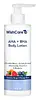
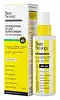
Wishcare AHA + BHA Body Lotion Versus Sunscoop Hydrating Fluid Sunscreen For Face And Body SPF 60 PA++++
This hybrid sunscreen covers the full UV range and blocks ~98% of UVB at SPF 60.

What's inside
What's inside
 Key Ingredients
Benefits
Concerns
Ingredients Side-by-side
Water
Skin ConditioningCoco-Glucoside
Cleansing
Acrylates Crosspolymer
AbsorbentSodium Cocoyl Glutamate
Cleansing
Glycerin
Humectant


Cocamidopropyl Betaine
Cleansing


Sodium Lactate
Buffering
Aloe Barbadensis Leaf Extract
Emollient

Propylene Glycol
Humectant
Salicylic Acid
Masking







Camellia Sinensis Leaf Extract
Antimicrobial

Lactic Acid
Buffering

Glycolic Acid
Buffering
Hydrogenated Castor Oil
Emollient

Melaleuca Alternifolia Leaf Oil
Antioxidant

Chamomilla Vulgaris Extract
Skin ProtectingXanthan Gum
EmulsifyingEthylhexylglycerin
Skin ConditioningWater, Coco-Glucoside, Acrylates Crosspolymer, Sodium Cocoyl Glutamate, Glycerin, Cocamidopropyl Betaine, Sodium Lactate, Aloe Barbadensis Leaf Extract, Propylene Glycol, Salicylic Acid, Camellia Sinensis Leaf Extract, Lactic Acid, Glycolic Acid, Hydrogenated Castor Oil, Melaleuca Alternifolia Leaf Oil, Chamomilla Vulgaris Extract, Xanthan Gum, Ethylhexylglycerin
Water
Skin ConditioningEthylhexyl Salicylate
UV Absorber

Butyl Methoxydibenzoylmethane
UV Absorber
Octocrylene
UV Absorber
Glycerin
Humectant
Betaine
Humectant
Coco-Caprylate
Emollient
Zinc Oxide
Cosmetic Colorant
Stearic Acid
Cleansing
Phenoxyethanol
Preservative
Cetyl Alcohol
Emollient
Glyceryl Stearate
Emollient
Ammonium Acryloyldimethyltaurate/Vp Copolymer
Propylene Glycol
Humectant
Menthol
Masking
Methyl Diisopropyl Propionamide
MaskingEthyl Menthane Carboxamide
TonicMenthyl Lactate
Masking
Hydroxypropylcellulose
EmulsifyingTocopheryl Acetate
Antioxidant
Aloe Barbadensis Leaf Extract
Emollient
Chamomilla Recutita Flower Extract
Masking
Avena Sativa Kernel Extract
Abrasive
Caesalpinia Spinosa Fruit Extract
Skin ProtectingHelianthus Annuus Sprout Extract
Skin ConditioningCitrus Aurantium Dulcis Peel Oil
Masking
Rosmarinus Officinalis Leaf Oil
Masking
Sodium Benzoate
Masking
Disodium EDTA
ChelatingSodium Hydroxide
BufferingWater, Ethylhexyl Salicylate, Butyl Methoxydibenzoylmethane, Octocrylene, Glycerin, Betaine, Coco-Caprylate, Zinc Oxide, Stearic Acid, Phenoxyethanol, Cetyl Alcohol, Glyceryl Stearate, Ammonium Acryloyldimethyltaurate/Vp Copolymer, Propylene Glycol, Menthol, Methyl Diisopropyl Propionamide, Ethyl Menthane Carboxamide, Menthyl Lactate, Hydroxypropylcellulose, Tocopheryl Acetate, Aloe Barbadensis Leaf Extract, Chamomilla Recutita Flower Extract, Avena Sativa Kernel Extract, Caesalpinia Spinosa Fruit Extract, Helianthus Annuus Sprout Extract, Citrus Aurantium Dulcis Peel Oil, Rosmarinus Officinalis Leaf Oil, Sodium Benzoate, Disodium EDTA, Sodium Hydroxide
Ingredients Explained
These ingredients are found in both products.
Ingredients higher up in an ingredient list are typically present in a larger amount.
Aloe Barbadensis Leaf Extract is a botanical extract pulled from the leaves of aloe vera and one of the most studied plant ingredients in cosmetics.
The inner leaf gel it comes from is mostly water (~99-99.5%) and the remaining fraction is made up of pretty good stuff: polysaccharides, vitamins, phenolics, and enzymes.
Its headline job is hydration.
The star polysaccharide in aloe, acemannan, is a humectant that retains moisture and helps reduce trans-epidermal water loss.
Aloe also has real soothing credentials; it contains anti-inflammatory compounds like bradykinase and C-glucosyl chromone that help calm irritation and redness.
On the repair side, lab work shows that acemannan wakes up your skin's repair cells (fibroblasts), prompting them to multiply and speed up healing.
There's some human data for cosmetic benefit too: a cream containing 10% Aloe Barbadensis leaf extract improved skin hydration and elasticity in a real-use study.
Safety-wise, this ingredient is well-regarded with just one rare downside; there have been some case reports of acute eczema, contact urticaria, and dermatitis in people who applied aloe-derived ingredients topically. Those with a known aloe or Liliaceae sensitivity should patch test.
Typical use levels range widely, from under 1% up to 90%+ depending on the format and the effect you are after.
Learn more about Aloe Barbadensis Leaf ExtractGlycerin (or glycerol) is a compound naturally found in your skin. It's a powerhouse humectant that pulls water into the stratum corneum.
Topically, glycerin does several things at once:
Your skin makes glycerin on its own (mostly from sebaceous oil breakdown) and shuttles it to your outermost layer of skin, or your epidermis, via aquaporin-3.
Aquaporin-3 is a transporter that is essential for normal skin hydration, elasticity, and repair. Interestingly, mice lacking in AQP3 have dry and less elastic skin that can be fully corrected with glycerin.
This ingredient is non-irritating, plays well with almost every ingredient, and works across all skin types. Typical use is anywhere between 3-10% but can go up to 79% in some leave-on products.
Just know very high concentrations (>40%) can feel tacky in low humidity.
Glycerin is the name for this ingredient in American English. British English uses Glycerol/Glycerine.
Learn more about GlycerinPropylene Glycol is a synthetic, colorless, odorless liquid that has been a staple in cosmetics for decades. It is a skin conditioning agent, humectant, and solvent.
As a humectant, it draw water to the skin to reduce flaking and restore suppleness. It's also a solvent that helps dissolve other actives and keeps formulas stable across temperature changes.
The CIR Expert Panel has confirmed this ingredient to be nontoxic and clinical studies show no sensitization at cosmetic use concentrations.
True allergic reactions are quite rare: a 15-year retrospective study of 6,751 patients found only 0.31% had a positive reaction (and less than half were considered clinically relevant).
It seemed that when sensitization does occur, it's most commonly linked to topical medication (like corticosteroids) and not cosmetics. Allergic contact dermatitis also appears largely limited to individuals with underlying skin conditions.
Overall, propylene glycol is a well-studied ingredient that most people can tolerate without issue.
Learn more about Propylene GlycolWater. It's the most common cosmetic ingredient of all. You'll usually see it at the top of ingredient lists, meaning that it makes up the largest part of the product.
So why is it so popular? Water most often acts as a solvent - this means that it helps dissolve other ingredients into the formulation.
You'll also recognize water as that liquid we all need to stay alive. If you see this, drink a glass of water. Remember to stay hydrated!
Learn more about Water

