Wardah Symradiance399 + 5% Niacinamide Moisture Gel Versus Skintific 5% Panthenol Acne Calming Water Gel
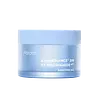
This brightening moisturizer is formulated around Niacinamide and Glycyrrhiza Glabra Root Extract to brighten dull-looking skin and fade the look of dark spots.
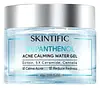
This calming moisturizer is formulated around Panthenol and Centella Asiatica Extract to calm redness and strengthen the skin barrier.


What's inside
What's inside
 Key Ingredients
Benefits
Concerns
Ingredients Side-by-side
Water
Skin ConditioningNiacinamide
Smoothing











Cyclopentasiloxane
Emollient
Glycerin
Humectant
Dimethicone
Emollient
Butylene Glycol
Humectant
Ethylhexyl Methoxycinnamate
UV Absorber


Ammonium Acryloyldimethyltaurate/Vp Copolymer
Phenoxyethanol
Preservative
Butyl Methoxydibenzoylmethane
UV Absorber
Polysorbate 20
Emulsifying

Carbomer
Emulsion StabilisingDisodium EDTA
ChelatingAllantoin
Skin Conditioning
Chlorphenesin
Antimicrobial
Silica
Abrasive
Tocopheryl Acetate
Antioxidant

Dimethicone/Vinyl Dimethicone Crosspolymer
Skin Conditioning
Pentylene Glycol
Skin Conditioning
Potassium Hydroxide
BufferingParfum
Masking


Amodimethicone
Sodium Hydroxide
BufferingGlycyrrhiza Glabra Root Extract
Bleaching
Actinidia Polygama Fruit Extract
Skin ConditioningTrideceth-9
EmulsifyingPEG-40 Hydrogenated Castor Oil
Emulsifying
Ethylhexylglycerin
Skin ConditioningCI 42090
Cosmetic ColorantWater, Niacinamide, Cyclopentasiloxane, Glycerin, Dimethicone, Butylene Glycol, Ethylhexyl Methoxycinnamate, Ammonium Acryloyldimethyltaurate/Vp Copolymer, Phenoxyethanol, Butyl Methoxydibenzoylmethane, Polysorbate 20, Carbomer, Disodium EDTA, Allantoin, Chlorphenesin, Silica, Tocopheryl Acetate, Dimethicone/Vinyl Dimethicone Crosspolymer, Pentylene Glycol, Potassium Hydroxide, Parfum, Amodimethicone, Sodium Hydroxide, Glycyrrhiza Glabra Root Extract, Actinidia Polygama Fruit Extract, Trideceth-9, PEG-40 Hydrogenated Castor Oil, Ethylhexylglycerin, CI 42090
Water
Skin ConditioningPanthenol
Skin Conditioning
Methyl Gluceth-20
Humectant
Dipropylene Glycol
HumectantCentella Asiatica Extract
Cleansing
Calendula Officinalis Extract
Skin Conditioning
Avena Sativa Kernel Extract
Abrasive
Phaeodactylum Tricornutum Extract
HumectantChlorella Vulgaris Extract
Skin ConditioningPentylene Glycol
Skin Conditioning
Acrylates/C10-30 Alkyl Acrylate Crosspolymer
Emulsion StabilisingTromethamine
Buffering1,2-Hexanediol
Skin Conditioning
Ectoin
Skin Conditioning
Ceramide NP
Skin Conditioning
Ceramide As
Skin Conditioning
Ceramide Ns
Skin Conditioning
Ceramide AP
Skin Conditioning
Ceramide EOP
Skin Conditioning
Butylene Glycol
Humectant
Glycerophosphoinositol Choline
Skin ProtectingGlycerin
Humectant
Ammonium Acryloyldimethyltaurate/Vp Copolymer
Hydrogenated Lecithin
Emulsifying
Tocopherol
Antioxidant
Pentasodium Pentetate
ChelatingErythritol
Humectant
Propanediol
Solvent
Phytic Acid
Chelating
Silver Oxide
AntimicrobialDiethoxyethyl Succinate
SolventHydroxyphenyl Propamidobenzoic Acid
Skin ConditioningLecithin
Emollient
Sodium Ascorbate
Antioxidant
Ascorbyl Palmitate
Antioxidant
Water, Panthenol, Methyl Gluceth-20, Dipropylene Glycol, Centella Asiatica Extract, Calendula Officinalis Extract, Avena Sativa Kernel Extract, Phaeodactylum Tricornutum Extract, Chlorella Vulgaris Extract, Pentylene Glycol, Acrylates/C10-30 Alkyl Acrylate Crosspolymer, Tromethamine, 1,2-Hexanediol, Ectoin, Ceramide NP, Ceramide As, Ceramide Ns, Ceramide AP, Ceramide EOP, Butylene Glycol, Glycerophosphoinositol Choline, Glycerin, Ammonium Acryloyldimethyltaurate/Vp Copolymer, Hydrogenated Lecithin, Tocopherol, Pentasodium Pentetate, Erythritol, Propanediol, Phytic Acid, Silver Oxide, Diethoxyethyl Succinate, Hydroxyphenyl Propamidobenzoic Acid, Lecithin, Sodium Ascorbate, Ascorbyl Palmitate
Reviews
Ingredients Explained
These ingredients are found in both products.
Ingredients higher up in an ingredient list are typically present in a larger amount.
Ammonium Acryloyldimethyltaurate/Vp Copolymer is a synthetically created polymer. It's used as a film-forming agent and used to thicken the consistency of products.
Think of it as a supportive ingredient that helps your gel-creams feel silky, "cloud cream-like", and spread evenly without being greasy.
The Cosmetic Ingredient Review (CIR) Expert Panel evaluated it (along with 22 other acryloyldimethyltaurate polymers) and concluded it's:
Due to its large molecular size, it sits on the surface of skin rather than penetrating it.
Learn more about Ammonium Acryloyldimethyltaurate/Vp CopolymerButylene Glycol (or BG) is used within cosmetic products for a few different reasons:
Overall, Butylene Glycol is a safe and well-rounded ingredient that works well with other ingredients.
Though this ingredient works well with most skin types, some people with sensitive skin may experience a reaction such as allergic rashes, closed comedones, or itchiness.
Learn more about Butylene GlycolGlycerin (or glycerol) is a compound naturally found in your skin. It's a powerhouse humectant that pulls water into the stratum corneum.
Topically, glycerin does several things at once:
Your skin makes glycerin on its own (mostly from sebaceous oil breakdown) and shuttles it to your outermost layer of skin, or your epidermis, via aquaporin-3.
Aquaporin-3 is a transporter that is essential for normal skin hydration, elasticity, and repair. Interestingly, mice lacking in AQP3 have dry and less elastic skin that can be fully corrected with glycerin.
This ingredient is non-irritating, plays well with almost every ingredient, and works across all skin types. Typical use is anywhere between 3-10% but can go up to 79% in some leave-on products.
Just know very high concentrations (>40%) can feel tacky in low humidity.
Glycerin is the name for this ingredient in American English. British English uses Glycerol/Glycerine.
Learn more about GlycerinPentylene Glycol (1,2-pentanediol) is a multitasking little diol with three main roles in a formula:
Research on alkanediols (the family pentylene glycol belongs to) show they work by disrupting microbial cell membranes. This disruption helps the primary preservative system in a product work more effectively at lower doses.
On the safety side, the Cosmetic Ingredient Review Expert Panel has concluded this ingredient to be safe as used in current cosmetic practices + concentrations.
Typical use levels in a formula run about 1-5%.
Learn more about Pentylene GlycolWater. It's the most common cosmetic ingredient of all. You'll usually see it at the top of ingredient lists, meaning that it makes up the largest part of the product.
So why is it so popular? Water most often acts as a solvent - this means that it helps dissolve other ingredients into the formulation.
You'll also recognize water as that liquid we all need to stay alive. If you see this, drink a glass of water. Remember to stay hydrated!
Learn more about Water

