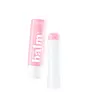
This barrier-repair lip moisturizer is formulated around Petrolatum and Butyrospermum Parkii Butter to strengthen the lip barrier and hydrate lips.
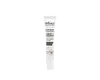
This anti-aging lip moisturizer is formulated around Squalane and Ubiquinone to soften the look of wrinkles and hydrate lips.

What's inside
What's inside
 Key Ingredients
Benefits
Concerns
Ingredients Side-by-side
Ethylhexyl Palmitate
Emollient




Petrolatum
Emollient


Synthetic Wax
Abrasive
Bis-Diglyceryl Polyacyladipate-2
Emollient
Ethylhexyl Methoxycinnamate
UV Absorber

Ozokerite
Emulsion StabilisingCrambe Abyssinica Seed Oil
Skin Conditioning
Olea Europaea Fruit Oil
Masking
Butyrospermum Parkii Butter
Skin Conditioning
Phenoxyethanol
Preservative
Jojoba Esters
Emollient
Titanium Dioxide
Cosmetic Colorant
Simmondsia Chinensis Seed Oil
Emollient
Ethylhexylglycerin
Skin ConditioningHelianthus Annuus Seed Extract
Skin Conditioning
Parfum
Masking
Allantoin
Skin Conditioning

Tocopheryl Acetate
Antioxidant


BHT
Antioxidant
Acacia Decurrens Flower Wax
Emollient
Polyglycerin-3
Humectant
Punica Granatum Flower Extract
Skin Conditioning
Polyglyceryl-3 Diisostearate
Emulsifying
Tocopherol
Antioxidant

CI 45370
Cosmetic ColorantCI 15850
Cosmetic ColorantCI 45380
Cosmetic ColorantEthylhexyl Palmitate, Petrolatum, Synthetic Wax, Bis-Diglyceryl Polyacyladipate-2, Ethylhexyl Methoxycinnamate, Ozokerite, Crambe Abyssinica Seed Oil, Olea Europaea Fruit Oil, Butyrospermum Parkii Butter, Phenoxyethanol, Jojoba Esters, Titanium Dioxide, Simmondsia Chinensis Seed Oil, Ethylhexylglycerin, Helianthus Annuus Seed Extract, Parfum, Allantoin, Tocopheryl Acetate, BHT, Acacia Decurrens Flower Wax, Polyglycerin-3, Punica Granatum Flower Extract, Polyglyceryl-3 Diisostearate, Tocopherol, CI 45370, CI 15850, CI 45380
Paraffinum Liquidum
Emollient
Cera Microcristallina
Emulsion StabilisingParaffin
Skin Conditioning
Ethylhexyl Methoxycinnamate
UV Absorber
Ceresin
Emulsion StabilisingLanolin
Emollient
Squalane
Emollient
Dextrin Palmitate
Emulsifying
Octyldodecanol
Emollient
Butyl Methoxydibenzoylmethane
UV Absorber
Hydrogenated Microcrystalline Cera
Polyisobutene
Euphorbia Cerifera Wax
Tocopheryl Acetate
Antioxidant
Cetyl Dimethicone
Emollient
Dipalmitoyl Hydroxyproline
Skin Conditioning
Propylene Glycol
Humectant
Water
Skin ConditioningUbiquinone
Antioxidant
Echium Plantagineum Seed Oil
Skin Conditioning
Propylparaben
Preservative
Helianthus Annuus Seed Oil Unsaponifiables
Emollient
Cardiospermum Halicacabum Flower/Leaf/Vine Extract
Skin ConditioningAloe Barbadensis Leaf Extract
Emollient
Tocopherol
Antioxidant
Paraffinum Liquidum, Cera Microcristallina, Paraffin, Ethylhexyl Methoxycinnamate, Ceresin, Lanolin, Squalane, Dextrin Palmitate, Octyldodecanol, Butyl Methoxydibenzoylmethane, Hydrogenated Microcrystalline Cera, Polyisobutene, Euphorbia Cerifera Wax, Tocopheryl Acetate, Cetyl Dimethicone, Dipalmitoyl Hydroxyproline, Propylene Glycol, Water, Ubiquinone, Echium Plantagineum Seed Oil, Propylparaben, Helianthus Annuus Seed Oil Unsaponifiables, Cardiospermum Halicacabum Flower/Leaf/Vine Extract, Aloe Barbadensis Leaf Extract, Tocopherol
Reviews
Ingredients Explained
These ingredients are found in both products.
Ingredients higher up in an ingredient list are typically present in a larger amount.
This ingredient is also known as Octinoxate and is one of the oldest and most widely used chemical UV filters in skincare.
It has a simple job: soap up UVB radiation (290-320 nm), the wavelengths responsible for sunburn and a big chunk of long-term sun damage.
In formulas, it's always paired with a separate UVA filter because octinoxate solely protects skin from UVB.
Because it's an oil-soluble liquid, it's easy to blend into the oil phase of lotions/creams and gives a cosmetically elegant feel.
The one quirk about formulating this ingredient is photostability; the molecule slowly changes shape into a less effective version when sunlight hits it. So the longer you're in the sun, the weaker its protection gets. The drop can be more than 30% in some formulas.
It also doesn't play nice with Avobenzone (the common UVA filter) since avobenzone destabilizes octinoxate and the two degrade each other. But don't worry: brands have solved this issue by adding photostabilizers like Tinosorb S to prevent degradation and keep SPF stable under heavy UV exposure.
The maximum allowed level is 10% in the EU and Australia, 7.5% in the US and Canada, and 20% in Japan.
The Cosmetic Ingredient Review Panel has concluded this ingredient to be safe in cosmetics up to 10%.
One last thing worth knowing for context:
Octinoxate has been the subject of ongoing review in Europe where the Scientific Committee on Consumer Safety's (SCCS) 2025 final opinion is that this ingredient is an endocrine-active substance.
Lab and animal studies suggest it can act a bit like a hormone in the body (mildly mimicking estrogen and slightly blocking male hormones). It's important to know this hasn't really been shown to happen in everyday human use.
This ingredient is also banned in Hawaii over coral reef concerns.
Learn more about Ethylhexyl MethoxycinnamateTocopherol is a fat-soluble antioxidant known as Vitamin E.
You'll find this ingredient in the vast majority of skincare (for good reason). It works to neutralize free radicals, or unstable molecules generated by UV exposure, pollution, and other environmental stressors, before they can cause oxidative damage to your skin cells.
Topically applied tocopherol has been shown to protect against UV damage by ramping up the skin's own natural defense enzymes.
It also acts as a skin conditioning agent; some studies show that regular topical use can improve the skin's water-binding capacity over 2-4 weeks.
This ingredient is especially loved for being a team player. When combined with Vitamin C, the photoprotective effect of both ingredients roughly doubles and the combo also helps reduce UV-induced DNA damage.
This ingredient has some brightening potential but it's more of a prevention ingredient than spot-fader. Cell studies show it can slow down melanin production but it's worth noting that it's not the most powerful brightener out there.
In formulations, it also serves as a stabilizer that helps protect other oxidation-prone ingredients from degrading.
Concentrations usually range from 0.1-1% in most leave-on products.
Learn more about TocopherolTocopheryl Acetate is a stable, shelf-friendly form of vitamin E.
Formulators love it because plain vitamin E oxidizes quickly once it hits air. This acetate version stays stable and resists going off, helping to extend a product's shelf life.
It's actually inactive on its own and works like a slow-release "storage" form; the enzymes in your skin called esterases gradually convert it into active vitamin E over time.
One in vivo study showed 5% of the acetate in the living layer of the epidermis converted to vitamin E after 5 days of application. This study also found the skin gained protection against UV damage even though the conversion was slow and small.
Once converted, vitamin E acts as a skin's main fat-soluble antioxidant that fights free radicals to protect skin from damage.
Topical vitamin E generally boosts the skin's photoprotection, and it reduced UV-damage in animal models.
This ingredient has some brightening potential but it's more of a prevention ingredient than spot-fader. Cell studies show it can slow down melanin production but it's worth noting that it's not the most powerful brightener out there.
Overall, it has a pretty solid safety profile and has been found to be non-irritating and non-comedogenic. Allergic reactions may happen but stay rare due to how widely the ingredient gets used.
The concentration will vary depending on the formula; industry data shows 0.1% in baby lotions, 3% in lipsticks, and 5% in foot powders. You can also find this ingredient at 100% in a pure vitamin E oil.
Most leave-on skincare keeps it at the lower end, often between 0.5-1%.
Learn more about Tocopheryl Acetate

