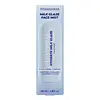
This hydrating toner is formulated around Limnanthes Alba Seed Oil and Panthenol to hydrate skin and strengthen the skin barrier.
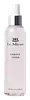
This hydrating toner is formulated around Hyaluronic Acid and Hydrolyzed Sodium Hyaluronate to hydrate skin and calm redness.


What's inside
What's inside
 Key Ingredients
Benefits
Concerns
Ingredients Side-by-side
Water
Skin ConditioningButylene Glycol
Humectant

Glycerin
Humectant
1,2-Hexanediol
Skin Conditioning
Limnanthes Alba Seed Oil
Skin Conditioning


Triethylhexanoin
MaskingPolyglyceryl-10 Myristate
Skin Conditioning
Sodium Citrate
BufferingPanthenol
Skin Conditioning

Ethylhexylglycerin
Skin ConditioningCitric Acid
Buffering

Sodium Phytate
Cellulose Gum
Emulsion StabilisingPropanediol
Solvent
Tocopheryl Acetate
Antioxidant

Polyglutamic Acid
Skin Conditioning
Caprylic/Capric Triglyceride
Masking
Hydrogenated Lecithin
Emulsifying
Adansonia Digitata Seed Oil
Emollient
Polyglyceryl-10 Laurate
Skin Conditioning
Benzyl Glycol
SolventSodium Hyaluronate
Humectant

Hydrolyzed Glycosaminoglycans
HumectantBeta-Glucan
Skin Conditioning
Tocopherol
Antioxidant
Ceramide NP
Skin Conditioning
Magnolia Kobus Flower Extract
Antioxidant
Lysine
Skin ConditioningArginine
Masking
Aspartic Acid
Masking
Glutamic Acid
Humectant
Methionine
Skin ConditioningCysteine
Antioxidant
Ectoin
Skin Conditioning
Centella Asiatica Leaf Extract
Skin Conditioning
Ceramide Ns
Skin Conditioning
Ceramide As
Skin Conditioning
Sodium Hyaluronate Crosspolymer
Humectant
Tripeptide-1
Skin Conditioning
Hydrolyzed Hyaluronic Acid
Humectant
Ceramide EOP
Skin Conditioning
Ceramide AP
Skin Conditioning
Hydroxypropyltrimonium Hyaluronate
Glycolipids
Skin ConditioningPhytosterols
Skin Conditioning
Copper Tripeptide-1
Skin Conditioning
Acetyl Tetrapeptide-5
Humectant
Acetyl Tetrapeptide-2
Skin Conditioning
Palmitoyl Pentapeptide-4
Skin Conditioning
Palmitoyl Tripeptide-1
Skin Conditioning
Hexapeptide-9
Skin Conditioning
Hexapeptide-11
Skin Conditioning
Palmitoyl Tripeptide-5
Skin Conditioning
Collagen Extract
Skin Conditioning
Hyaluronic Acid
Humectant
Sodium Acetylated Hyaluronate
Humectant
Water, Butylene Glycol, Glycerin, 1,2-Hexanediol, Limnanthes Alba Seed Oil, Triethylhexanoin, Polyglyceryl-10 Myristate, Sodium Citrate, Panthenol, Ethylhexylglycerin, Citric Acid, Sodium Phytate, Cellulose Gum, Propanediol, Tocopheryl Acetate, Polyglutamic Acid, Caprylic/Capric Triglyceride, Hydrogenated Lecithin, Adansonia Digitata Seed Oil, Polyglyceryl-10 Laurate, Benzyl Glycol, Sodium Hyaluronate, Hydrolyzed Glycosaminoglycans, Beta-Glucan, Tocopherol, Ceramide NP, Magnolia Kobus Flower Extract, Lysine, Arginine, Aspartic Acid, Glutamic Acid, Methionine, Cysteine, Ectoin, Centella Asiatica Leaf Extract, Ceramide Ns, Ceramide As, Sodium Hyaluronate Crosspolymer, Tripeptide-1, Hydrolyzed Hyaluronic Acid, Ceramide EOP, Ceramide AP, Hydroxypropyltrimonium Hyaluronate, Glycolipids, Phytosterols, Copper Tripeptide-1, Acetyl Tetrapeptide-5, Acetyl Tetrapeptide-2, Palmitoyl Pentapeptide-4, Palmitoyl Tripeptide-1, Hexapeptide-9, Hexapeptide-11, Palmitoyl Tripeptide-5, Collagen Extract, Hyaluronic Acid, Sodium Acetylated Hyaluronate
Citrus Aurantium Dulcis Fruit Water
MaskingMalpighia Glabra Fruit Extract
Skin ConditioningHyaluronic Acid
Humectant
Hydrolyzed Sodium Hyaluronate
Skin Conditioning
Pyrus Malus Fruit Extract
Skin Conditioning
Magnesium Aspartate
Skin ConditioningZinc Gluconate
Skin Conditioning



Copper Gluconate
Skin Conditioning
Palmitoyl Tetrapeptide-7
Skin Conditioning
Camellia Sinensis Extract
Antioxidant
Hamamelis Virginiana Water
Astringent


Avena Sativa Straw Extract
Skin ConditioningVitis Vinifera Seed Extract
Antimicrobial
Sodium Hyaluronate
Humectant
Sodium Hyaluronate Crosspolymer
Humectant
Hydroxypropyltrimonium Hyaluronate
C12-13 Alkyl Glyceryl Hydrolyzed Hyaluronate
Propanediol
Solvent
Sodium Carboxymethyl Beta-Glucan
CleansingPolysorbate 20
Emulsifying
Panthenol
Skin Conditioning
Xanthan Gum
EmulsifyingCitrus Limon Peel Extract
EmollientSuperoxide Dismutase
Antioxidant
Glucosamine Hcl
Saccharomyces Lysate Extract
Humectant
Beta-Glucan
Skin Conditioning
Hydrolyzed Rice Bran Extract
Skin ConditioningPolyglutamic Acid
Skin Conditioning
Hydrolyzed Gardenia Florida Extract
Antioxidant
Maltodextrin
Absorbent
Glycerin
Humectant
Rosmarinus Officinalis Leaf Extract
AntimicrobialVaccinium Myrtillus Fruit Extract
Skin ConditioningPhyllanthus Emblica Fruit Extract
HumectantPentylene Glycol
Skin Conditioning
Caprylyl Glycol
Emollient
Ethylhexylglycerin
Skin ConditioningCitrus Aurantium Dulcis Fruit Water, Malpighia Glabra Fruit Extract, Hyaluronic Acid, Hydrolyzed Sodium Hyaluronate, Pyrus Malus Fruit Extract, Magnesium Aspartate, Zinc Gluconate, Copper Gluconate, Palmitoyl Tetrapeptide-7, Camellia Sinensis Extract, Hamamelis Virginiana Water, Avena Sativa Straw Extract, Vitis Vinifera Seed Extract, Sodium Hyaluronate, Sodium Hyaluronate Crosspolymer, Hydroxypropyltrimonium Hyaluronate, C12-13 Alkyl Glyceryl Hydrolyzed Hyaluronate, Propanediol, Sodium Carboxymethyl Beta-Glucan, Polysorbate 20, Panthenol, Xanthan Gum, Citrus Limon Peel Extract, Superoxide Dismutase, Glucosamine Hcl, Saccharomyces Lysate Extract, Beta-Glucan, Hydrolyzed Rice Bran Extract, Polyglutamic Acid, Hydrolyzed Gardenia Florida Extract, Maltodextrin, Glycerin, Rosmarinus Officinalis Leaf Extract, Vaccinium Myrtillus Fruit Extract, Phyllanthus Emblica Fruit Extract, Pentylene Glycol, Caprylyl Glycol, Ethylhexylglycerin
Reviews
Alternatives
Ingredients Explained
These ingredients are found in both products.
Ingredients higher up in an ingredient list are typically present in a larger amount.
Beta-Glucan is a soluble polysaccharide (a chain of glucose sugars) sourced from the cells walls of oats, baker's yeast, mushrooms, and seaweed.
It's a rare ingredient that pulls double-duty as a heavy-duty hydrator and skin-soothing repair agent.
On the surface, it acts as a humectant that holds water in place and reduces moisture loss for a plumper, smoother feel, while its anti-inflammatory and antioxidant properties make it a great pick for calming redness or sensitive skin
The more interesting story is underneath:
Despite its large molecular size, oat beta-glucan has been shown to penetrate the epidermis and reach the dermis by slipping between skin cells. Here, it interacts with fibroblasts and macrophages to nudge collagen synthesis and support wound repair.
A small 2005 split-face clinical study of 27 subjects found topical beta-glucan produced measurable reductions in wrinkle depth, height, and roughness after 8 weeks of use.
It is worth noting the trial was small and the penetration testing used frozen, irradiated skin so the anti-aging data is encouraging rather than definitive.
This ingredient gets along with pretty much everything and is typically used around 0.1-1%.
Fungal acne: This ingredient is not a food source for the Malassezia yeast because it is a glucose polysaccharide with no fatty acid or ester component.
Learn more about Beta-GlucanEthylhexylglycerin is created from glycerin. It is a multitasker ingredient that:
The CIR Expert Panel found minimal skin absorption or sensitization of any kind in a safety assessment. Though this ingredient is considered well-tolerated, a small number of cases of allergic dermatitis have been published since 2002. Just be sure to patch test if you are unsure.
Industry-reported use ranges from 8% in rinse-off products and 2% in leave-on formulations.
Learn more about EthylhexylglycerinGlycerin (or glycerol) is a compound naturally found in your skin. It's a powerhouse humectant that pulls water into the stratum corneum.
Topically, glycerin does several things at once:
Your skin makes glycerin on its own (mostly from sebaceous oil breakdown) and shuttles it to your outermost layer of skin, or your epidermis, via aquaporin-3.
Aquaporin-3 is a transporter that is essential for normal skin hydration, elasticity, and repair. Interestingly, mice lacking in AQP3 have dry and less elastic skin that can be fully corrected with glycerin.
This ingredient is non-irritating, plays well with almost every ingredient, and works across all skin types. Typical use is anywhere between 3-10% but can go up to 79% in some leave-on products.
Just know very high concentrations (>40%) can feel tacky in low humidity.
Glycerin is the name for this ingredient in American English. British English uses Glycerol/Glycerine.
Learn more about GlycerinHyaluronic acid (HA) is a glycosaminoglycan (basically a long sugar chain) that your skin already makes on its own. In your skin, HA lives in the extracellular matrix and acts as the body's moisture reservoir.
Topically, HA is a humectant that binds water and helps skin look more plump, smooth, and hydrated.
The only catch is that HA isn't a single thing; it actually comes in a wide range of molecular weights (~50 - 2,000+ kDA) and size matters.
Some clinical evidence links low molecular weight versions to improved wrinkle depth, elasticity, anti-inflammatory effects, and barrier repair.
This is why the best HA serums blend the two sizes together so you get the best of both worlds.
The majority of cosmetic HA is produced by bacterial fermentation, typically using Streptococcus or Bacillus strains. Typical use levels in skincare sit around 0.1-2%.
A clinical study using a 0.2% low-molecular weight HA gel showed improvement in facial seborrheic dermatitis with excellent tolerance.
These are some other common types of Hyaluronic Acid:
Learn more about Hyaluronic AcidHydroxypropyltrimonium Hyaluronate is a positively charged version of hyaluronic acid.
This small change does a lot in a formula:
Regular hyaluronic acid carries a negative charge and so does the surface of your skin. This means the two repel each other and hyaluronic acid can be washed away easily. The positive charge here does the opposite: it makes the ingredient cling to your skin (also called "substantivity") so it keeps hydrating even in rinse-off products where it lays down a light, moisture-holding film.
The research backs this up too; a 2025 clinical study on a shower gel containing 0.1% positively charged hyaluronic acid increased skin hydration by 6.6% versus the baseline and 11.1% versus the placebo. This was measured 6 hours after 1 minute of contact and rinse, and on volunteers with very dry skin.
The same team's lab work showed it adhered to skin far better than unmodified hyaluronic acid (+107% vs. low molecular weight, +23% versus high molecular weight). They also found it increased two proteins tied to skin hydration, aquaporin-3 by 16% and filaggrin by 35%.
A separate 2024 study reached a similar conclusion and credited the hydrating benefits to its film-forming properties.
Both studies used the ingredient at 0.1% which also matches how much it usually shows up in products (at fractions of a percent).
One honesty note worth keeping in mind: the published research comes from the company that manufactures the ingredient so independent data would strengthen the picture. However, the results are consistent and the mechanism makes sense.
As a Hyaluronic Acid derivative, it has a well-tolerated profile and suits most skin types.
Learn more about Hydroxypropyltrimonium HyaluronatePanthenol is a common ingredient that helps hydrate and soothe the skin. It is found naturally in our skin and hair.
There are two forms of panthenol: D and L.
D-panthenol is also known as dexpanthenol. Most cosmetics use dexpanthenol or a mixture of D and L-panthenol.
Panthenol is famous due to its ability to go deeper into the skin's layers. Using this ingredient has numerous pros (and no cons):
Like hyaluronic acid, panthenol is a humectant. Humectants are able to bind and hold large amounts of water to keep skin hydrated.
This ingredient works well for wound healing. It works by increasing tissue in the wound and helps close open wounds.
Once oxidized, panthenol converts to pantothenic acid. Panthothenic acid is found in all living cells.
This ingredient is also referred to as pro-vitamin B5.
Learn more about PanthenolPolyglutamic Acid is made up many glutamic acids chained together. It is created from bacterial fermentation.
This ingredient is an effective skin hydrator and may help speed up wound healing. As a humectant, it draws and holds water to the skin. This ingredient is often compared to hyaluronic acid or glycerin. Similarly to hyaluronic acid, it can vary in molecular weights. This means polyglutamic acid is capable of bringing hydration to lower levels of the skin.
Fun fact: Polyglutamic Acid is found in the Japanese food, natto. It is also being used in cancer treatment studies.
Learn more about Polyglutamic AcidPropanediol is an all-star ingredient. It softens, hydrates, and smooths the skin.
It’s often used to:
Propanediol is not likely to cause sensitivity and considered safe to use. It is derived from corn or petroleum with a clear color and no scent.
Learn more about PropanediolSodium Hyaluronate is the salt form of hyaluronic acid. It is a long sugar chain that is naturally found in your skin, joints, and connective tissue that maintains hydration and elasticity.
In skincare, it works as a humectant. It pulls water from the environment and deeper layers of skin and binds it to the surface.
Interestingly, the size of the molecule affects its behavior:
Some clinical evidence links low molecular weight versions to improved wrinkle depth, elasticity, anti-inflammatory effects, and barrier repair.
Many serums use a blend of both weights so you can get surface hydration plus longer-lasting and deeper effects.
You'll typically see concentrations between 0.1-2% for this ingredient.
Learn more about Sodium HyaluronateSodium Hyaluronate Crosspolymer is a crosslinked version of sodium hyaluronate. This just means it's linked into a 3D mesh network that lets it be more stable and sit on skin as a cohesive, gel-like film rather than sinking into skin.
A 2016 human skin study found crosslinked HA increased epidermal water content by 7.6% over the control group and reduced transepidermal water loss by 27.8%.
A follow-up clinical trial found that a topical crosslinked HA serum applied after fillers, microneedling, or chemical peels was well-tolerated and enhanced skin quality at 14 / 28 days.
More recent research suggests that concentrations as low as 0.03% can act as a penetration enhancer for other skincare actives.
Learn more about Sodium Hyaluronate Crosspolymer

