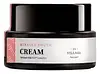
This anti-aging moisturizer is formulated around Retinol and Squalane to soften the look of wrinkles and refine skin texture.
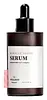
This anti-aging serum is formulated around Niacinamide and Retinol to soften the look of wrinkles and refine skin texture.

What's inside
What's inside
 Key Ingredients
Benefits
Concerns
Ingredients Side-by-side
Water
Skin ConditioningButylene Glycol
Humectant

Dipropylene Glycol
HumectantSqualane
Emollient
Caprylic/Capric Triglyceride
Masking
Glycine Soja Oil
Emollient







C12-16 Alcohols
EmollientHydroxyethyl Acrylate/Sodium Acryloyldimethyl Taurate Copolymer
Emulsion StabilisingAmmonium Acryloyldimethyltaurate/Vp Copolymer
Polyglyceryl-2 Stearate
Emulsifying
Hydroxyacetophenone
Antioxidant
Glyceryl Stearate
Emollient
Hydrogenated Lecithin
Emulsifying
Palmitic Acid
Emollient
Stearyl Alcohol
Emollient
Adansonia Digitata Seed Extract
Skin ConditioningHamamelis Virginiana Leaf Extract
Skin Conditioning
Lavandula Angustifolia Flower Extract
Cleansing

Caprylyl Glycol
Emollient
Retinol 0.1%
Skin Conditioning






Cetraria Islandica Extract
CleansingHimanthalia Elongata Extract
Skin Protecting
Laminaria Japonica Extract
Skin Protecting
Gelidium Cartilagineum Extract
Skin ProtectingFucus Vesiculosus Extract
Emollient
Glycyrrhiza Uralensis Root Extract
Skin Conditioning
Myrciaria Dubia Fruit Extract
Skin ConditioningMelaleuca Alternifolia Leaf Extract
Perfuming
Theobroma Cacao Seed Extract
Antioxidant
Ethylhexylglycerin
Skin ConditioningSorbitan Isostearate
Emulsifying
Disodium EDTA
ChelatingBetaine
Humectant
Allantoin
Skin Conditioning
Coptis Japonica Root Extract
Skin ConditioningDipotassium Glycyrrhizate
Humectant
Tocopherol
Antioxidant
Water, Butylene Glycol, Dipropylene Glycol, Squalane, Caprylic/Capric Triglyceride, Glycine Soja Oil, C12-16 Alcohols, Hydroxyethyl Acrylate/Sodium Acryloyldimethyl Taurate Copolymer, Ammonium Acryloyldimethyltaurate/Vp Copolymer, Polyglyceryl-2 Stearate, Hydroxyacetophenone, Glyceryl Stearate, Hydrogenated Lecithin, Palmitic Acid, Stearyl Alcohol, Adansonia Digitata Seed Extract, Hamamelis Virginiana Leaf Extract, Lavandula Angustifolia Flower Extract, Caprylyl Glycol, Retinol 0.1%, Cetraria Islandica Extract, Himanthalia Elongata Extract, Laminaria Japonica Extract, Gelidium Cartilagineum Extract, Fucus Vesiculosus Extract, Glycyrrhiza Uralensis Root Extract, Myrciaria Dubia Fruit Extract, Melaleuca Alternifolia Leaf Extract, Theobroma Cacao Seed Extract, Ethylhexylglycerin, Sorbitan Isostearate, Disodium EDTA, Betaine, Allantoin, Coptis Japonica Root Extract, Dipotassium Glycyrrhizate, Tocopherol
Water
Skin ConditioningMethylpropanediol
SolventGlycerin
Humectant
Butylene Glycol
Humectant
Niacinamide
Smoothing
Glycine Soja Oil
Emollient
Dipropylene Glycol
HumectantBetaine
Humectant
Ammonium Acryloyldimethyltaurate/Vp Copolymer
Hydroxyacetophenone
Antioxidant
Hamamelis Virginiana Leaf Extract
Skin Conditioning
Lavandula Angustifolia Flower Extract
Cleansing
Adansonia Digitata Seed Extract
Skin ConditioningCetearyl Olivate
Caprylyl Glycol
Emollient
Sorbitan Olivate
Emulsifying
Retinol 0.1%
Skin Conditioning
1,2-Hexanediol
Skin Conditioning
Glyceryl Acrylate/Acrylic Acid Copolymer
HumectantLaminaria Japonica Extract
Skin Protecting
Glycyrrhiza Uralensis Root Extract
Skin Conditioning
Myrciaria Dubia Fruit Extract
Skin ConditioningMelaleuca Alternifolia Leaf Extract
Perfuming
Cetraria Islandica Extract
CleansingGelidium Cartilagineum Extract
Skin ProtectingHimanthalia Elongata Extract
Skin Protecting
Fucus Vesiculosus Extract
Emollient
Xanthan Gum
EmulsifyingEthylhexylglycerin
Skin ConditioningPvm/Ma Copolymer
Emulsion StabilisingDisodium EDTA
ChelatingDipotassium Glycyrrhizate
Humectant
Caprylic/Capric Triglyceride
Masking
Ceramide NP
Skin Conditioning
Hydrogenated Lecithin
Emulsifying
Tocopherol
Antioxidant
Water, Methylpropanediol, Glycerin, Butylene Glycol, Niacinamide, Glycine Soja Oil, Dipropylene Glycol, Betaine, Ammonium Acryloyldimethyltaurate/Vp Copolymer, Hydroxyacetophenone, Hamamelis Virginiana Leaf Extract, Lavandula Angustifolia Flower Extract, Adansonia Digitata Seed Extract, Cetearyl Olivate, Caprylyl Glycol, Sorbitan Olivate, Retinol 0.1%, 1,2-Hexanediol, Glyceryl Acrylate/Acrylic Acid Copolymer, Laminaria Japonica Extract, Glycyrrhiza Uralensis Root Extract, Myrciaria Dubia Fruit Extract, Melaleuca Alternifolia Leaf Extract, Cetraria Islandica Extract, Gelidium Cartilagineum Extract, Himanthalia Elongata Extract, Fucus Vesiculosus Extract, Xanthan Gum, Ethylhexylglycerin, Pvm/Ma Copolymer, Disodium EDTA, Dipotassium Glycyrrhizate, Caprylic/Capric Triglyceride, Ceramide NP, Hydrogenated Lecithin, Tocopherol
Reviews
Ingredients Explained
These ingredients are found in both products.
Ingredients higher up in an ingredient list are typically present in a larger amount.
Baobab seeds are rich in vitamins A, E, and D, giving it nice antioxidant properties.
Ammonium Acryloyldimethyltaurate/Vp Copolymer is a synthetically created polymer. It's used as a film-forming agent and used to thicken the consistency of products.
Think of it as a supportive ingredient that helps your gel-creams feel silky, "cloud cream-like", and spread evenly without being greasy.
The Cosmetic Ingredient Review (CIR) Expert Panel evaluated it (along with 22 other acryloyldimethyltaurate polymers) and concluded it's:
Due to its large molecular size, it sits on the surface of skin rather than penetrating it.
Learn more about Ammonium Acryloyldimethyltaurate/Vp CopolymerBetaine is a humectant. Like hyaluronic acid, it helps attract and retain moisture in the skin. It’s known for being gentle and for helping the skin maintain balanced hydration.
Betaine is mainly used to improve hydration and support calmer skin. It helps skin cells regulate water balance because it functions as an osmolyte.
Some studies suggest betaine may support making skin tone more even.
Fun fact: Betaine naturally exists in the skin and the body. In cosmetic products, it can be either plant-derived (most commonly from sugar beets) or synthetically produced for consistency and stability.
Betaine is also known as trimethylglycine.
Learn more about BetaineButylene Glycol (or BG) is used within cosmetic products for a few different reasons:
Overall, Butylene Glycol is a safe and well-rounded ingredient that works well with other ingredients.
Though this ingredient works well with most skin types, some people with sensitive skin may experience a reaction such as allergic rashes, closed comedones, or itchiness.
Learn more about Butylene GlycolCaprylic/Capric Triglyceride (aka MCT Oil) is a lightweight emollient, solvent, and texture enhancer. It is considered a skin-softener by helping to prevent moisture loss.
Though it behaves like an oil, it is not technically one due to its chemical composition. One perk of this ingredient is that it is very stable, resistant to oxidation, and unlikely to go rancid.
In practice, that translates to a long shelf life and a consistently elegant skin feel.
While there is an assumption Caprylic Triglyceride can clog pores due to it being derived from coconut oil, there is no research supporting this. Just patch test if you have concerns.
Fractionated coconut oil and MCT Oil are both listed as Caprylic/Capric Triglyceride according to INCI. This is because INCI names are based on the ingredient’s final chemical composition and not its marketing name or source.
This ingredient is treated as the gold standard fungal acne safe oil. Even though it is coconut derived, the problematic lauric acid is stripped out.
This leaves just caprylic (C8) and capric (C10) acid. These chain lengths actually trend antifungal; a 2020 study found caprylic acid was enough to disrupt Malassezia furfur cell membrane, with a caprylic acid derivative damaging membrane structures at concentrations as low as 0.2%.
Learn more about Caprylic/Capric TriglycerideCaprylyl Glycol is a humectant, skin conditioner, emollient, and preservative booster derived from either caprylic acid or synthetically created.
Typical use levels vary from 0.3-1% as a preservative booster and go up to 2% to condition skin.
Because it is not a free-fatty acid, this ingredient is fungal acne safe (there's nothing for Malassezia to feed on).
Learn more about Caprylyl GlycolWe don't have a description for Cetraria Islandica Extract yet.
Dipotassium Glycyrrhizate comes from licorice root.
Extracts of licorice have demonstrated to have antibacterial, anti‐inflammatory, antiviral, antioxidant properties.
One component, glabridin, has extra potent antioxidant and soothing properties. It has also been found to block pigmentation from UVB rays in guinea pigs.
Licorice Root also contains a flavonoid. Flavonoids are a natural substance from in plants. Flavonoids also have antioxidant properties.
Another component, glycyrrhizin, has been found to have anti-inflammatory and antimicrobial benefits. This may make licorice root extract effective at treating acne. However, more research is needed to support this.
Liquiritin is one of the flavone compounds found in licorice. It has been found to help lighten skin by preventing tyrosinase from reacting with tyrosine. When the two react, protein is converted to melanin. Melanin is the substance in your body that gives your features pigmentation.
Licorice root is native to Southern Europe and Asia. It has been used in traditional Chinese medicine to help with respiratory issues.
Learn more about Dipotassium GlycyrrhizateDipropylene Glycol is a synthetically created humectant, stabilizer, and solvent.
This ingredient helps:
Dipropylene glycol is technically an alcohol, but it belongs to the glycol family (often considered part of the ‘good’ alcohols). This means it is hydrating and gentle on skin unlike drying solvent alcohols like denatured alcohol.
As a masking agent, Dipropylene Glycol can be used to cover the smell of other ingredients. However, it does not have a scent.
Studies show Dipropylene Glycol is considered safe to use in skincare.
Learn more about Dipropylene GlycolDisodium EDTA is a chelating agent. It grabs onto and deactivates metal ions that sneak into your products from water, packaging, or air.
This ingredient mainly works behind the scenes and helps with:
On top of that, this ingredient can counteract the effects of hard water by binding to the minerals in it.
One thing worth knowing is that Disodium EDTA has been shown to be a mild penetration enhancer. It can help other ingredients absorb into skin more effectively which can be a double-edged sword (great for actives, but can also make the active too strong if you have sensitive skin).
Clinical patch testing showed no significant skin irritation at typical use concentrations and minimal dermal absorption.
You'll most likely see this ingredient near the end of an ingredient list. It's typically found in concentrations less than 1%.
Learn more about Disodium EDTAEthylhexylglycerin is created from glycerin. It is a multitasker ingredient that:
The CIR Expert Panel found minimal skin absorption or sensitization of any kind in a safety assessment. Though this ingredient is considered well-tolerated, a small number of cases of allergic dermatitis have been published since 2002. Just be sure to patch test if you are unsure.
Industry-reported use ranges from 8% in rinse-off products and 2% in leave-on formulations.
Learn more about EthylhexylglycerinFucus Vesiculosus Extract is derived from a type of brown algae.
Algae is an informal term for a group of aquatic organisms that can photosynthesize. It is estimated there are at least 30,000 types of Algae.
Fucus Vesiculosus Extract contains antioxidants. Antioxidants help fight free-radicals. Free-radicals are molecules that may damage your skin cells, such as pollution.
Fucus Vesiculosus Extract is also rich in sodium, potassium, and amino acids.
Many different types of algae have different benefits.
Learn more about Fucus Vesiculosus ExtractWe don't have a description for Gelidium Cartilagineum Extract yet.
Glycine Soja Oil is a plant-derived oil from soybean seeds. Like other oils, it is rich in essential fatty acids (mostly linoleic and oleic) that support skin hydration and barrier function.
The fatty acids are able to integrate into the lipid matrix of the stratum corneum to help soften skin and reduce water loss.
On top of that, soybean oil is rich in vitamins like vitamin E, a potent antioxidant.
Research on soybean's active components also point to anti-inflammatory, collagen-stimulating, antioxidant activity, and protection against UV-induced oxidative damage.
Most of this research applies to the broader soybean plant and not just the oil fraction alone.
This ingredient does carry a comedogenic rating of 3 from the old rabbit-ear assay. Just remember testing finished products in humans showed that formulas built with "comedogenic" ingredients are not necessarily comedogenic themselves. It's worth patch testing if you're breakout prone, and always listen to your skin.
Because this ingredient is a saturated triglyceride, it may not be fungal acne safe. This is because Malassezia breaks down sebum triglycerides into fatty acids it can consume, making this ingredient a possible source for the yeast.
Learn more about Glycine Soja OilGlycyrrhiza Uralensis Root Extract comes from Chinese licorice. This plant is native to Asia and used in Chinese traditional medicine. Chinese licorice root contains antioxidants and polysaccharides.
Antioxidants may help with anti-aging by neutralizing free-radical molecules. Polysaccharides help moisturize the skin due to their ability to mimic our natural skin barrier.
Hamamelis Virginiana Leaf Extract comes from the witch hazel plant.
Witch Hazel is an astringent, anti-inflammatory, antioxidant, and antibacterial ingredient.
The tannin in witch hazel has a drying effect when used on skin and constricts proteins. This helps minimize the look of large pores. The presence of tannins and fragrance may be sensitizing.
The catechins in witch hazel have anti-inflammatory properties while the gallic acid is antibacterial.
Indigenous groups have used witch hazel to help treat inflammation, which was then used by early settlers to North America.
Learn more about Hamamelis Virginiana Leaf ExtractHimanthalia Elongata Extract can help to reduce redness. It can be bad for acne prone skin.
Hydrogenated Lecithin is a more stable version of lecithin.
It's made by taking lecithin (a phospholipid commonly found in soybeans and egg yolks) and hydrogenating it. This just means the unsaturated fatty acids are turned into saturated ones so they don't go bad as easily.
This ingredient is an emollient, emulsifier, and penetration enhancer. As an emollient, it helps soften and hydrate skin by trapping moisture within. As an emulsifier, it prevents oil and water ingredients from separating.
Hydrogenated Lecithin can form tiny spherical structures made of phospholipid bilayers called liposomes. These liposomes are able to capture compounds inside their structure and deliver them through the skin barrier.
Because phospholipids are a natural component of our cell membranes, this ingredient is inherently compatible with skin.
A 2021 study found lecithin-based surfactants were less harsh and more tolerable comared to Sodium Lauryl Sulfate (SLS).
Learn more about Hydrogenated LecithinHydroxyacetophenone is a small phenolic molecule that earns its place in a formulas as an antioxidant and preservative booster.
As a phenol, it is able to neutralize free radicals to protect both the product and the skin from oxidative stress.
Though it can't kill microbes on its own, it works as a good supporting agent when combined with other preservatives like Phenoxyethanol or 1,2-Hexanediol.
This ingredient naturally occurs as piceol in Norwegian spruce needles (~0.4-1.1% dry weight and in cloudberries). Though the cosmetic-grade material is synthesized for purity and consistency.
You'll usually see it used at low levels and suppliers recommend up to 1% added to a water phase.
Safety testing was done at concentrations like 0.05% in SPF products and 0.5% in a Human Repeated Insult Patch Test. The safety evidence is assuring; this ingredient is safe for cosmetics in current use and also holds safety status as a food flavoring as well.
An honest caveat: the "soothing" and "anti-inflammatory" claims come mostly from supplier marketing rather than published clinical trials. The Cosmetic Ingredient Review's own literature search found no useful efficacy studies on this ingredient.
So the antioxidant and preservative-boosting roles are the well supported ones while the calming benefit is plausible but thinly evidenced.
Overall, this is a well-tolerated, low-irritation multitasker that quietly helps a formula stay fresh and stable.
Learn more about HydroxyacetophenoneLaminaria Japonica Extract is an extract of Japanese kelp, the same brown seaweed sold as kombu.
This ingredient is usually extracted from dried, ground kelp with water or a water/glycol mix. Most of what ends up in your bottle is mostly big sugar molecules, minerals, and amino acids rather than oils.
Those sugars help hold water and form a light film on the skin's surface, giving it humectant and mild-barrier supporting properties.
The best human data is a small Korean study where a cream with 10% extract upped skin hydration about 14% over placebo and cut water loss through the skin for up to eight hours.
Beyond this study, most of the anti-aging and anti-inflammatory claims come from mouse and cell studies; these studies found that topical kelp sugars preserved collagen in aging mice and the extract calmed UVB-triggered inflammation markers in cultured skin cells.
Though this sounds promising, it isn't the same as proof on human faces.
Industry data shows this ingredient is usually used anywhere from 0.0005% - 5%. Most leave-on products sit well under 1% and the 5% end mostly shows up in bath products.
Allergy-risk for this ingredient looks low as well. A cream with 10% extract patch-tested on 25 people caused no irritation and there have been no sensitization reports either.
There is one real allergy report on "laminaria" that involves medical cervical dilators made from whole dried kelp stems inserted internally; though this is a very different exposure from a few tenths of a percent in a serum.
Learn more about Laminaria Japonica ExtractLavandula Angustifolia Flower Extract comes from the lavender plant.
Many components of lavender flowers are antioxidants, such as ferulic acid, caffeic acid, and several flavonoids.
Traditional Iranian folk medicine uses Lavender extract to help treat inflammation.
Lavender extract may have a scent.
It contains linalool, a known allergen. However, lavender extract contains less linalool than lavender essential oil.
Learn more about Lavandula Angustifolia Flower ExtractMelaleuca Alternifolia Leaf Extract comes from the Tea Tree, Melaleuca alternifolia, Myrtaceae. This tea tree is native to Australia.
Tea Leaf extract contains antimicrobial and anti-acne properties.
This ingredient has perfuming properties and contains linalool and limonene. These fragrance and terpinen components can cause skin sensitivity.
Learn more about the benefits of Tea Tree Oil here.
Learn more about Melaleuca Alternifolia Leaf ExtractThis extract comes from the camu camu berry and is known for its exceptionally high vitamin C content.
Retinol is one of the most studied anti-aging ingredients in skincare (and for good reason!).
It's a form of vitamin A that your skin converts into Retinoic Acid, the active molecule that actually does the work in your cells.
That conversion happens in two steps: your skin first turns Retinol into Retinaldehyde (also called Retinal), then turns Retinaldehyde into Retinoic Acid.
Retinol is converted to biologically active retinoic acid via retinaldehyde by dehydrogenases in a two-step oxidation process.
Each step is a little "upgrade" toward the active form which is part of why Retinol is gentler than prescription Retinoic Acid; your skin does the work gradually. This also explains where Retinol sits in the retinoid family.
Here is the retinoid family ranked roughly by strength: Retinyl Esters (like Retinyl Palmitate) < Retinol < Retinaldehyde < Retinoic Acid.
Retinoid activity increases in that order, while tolerance runs in reverse; retinyl esters are the gentlest and retinoic acid the most irritating.
The more conversion steps an ingredient needs, the gentler (and slower) it tends to be, so Retinol lands in a nice middle spot. It's more effective than the esters, gentler than prescription options.
Once it becomes Retinoic Acid, it binds to receptors inside your cells' nuclei (called RARs and RXRs). These receptor pairs bind to specific DNA motifs called retinoic acid response elements and act like switches that turn certain genes on or off.
In practice, this means a few things happen in a formula. It:
That last two are worth a closer look.
A study that tested Retinol directly (not just prescription Retinoic Acid) found that four weeks of retinol thickened the epidermis and switched on the genes for Collagen I and Collagen III, with more procollagen I and III showing up in the skin. And after twelve weeks, facial wrinkles were visibly reduced.
Retinoids more broadly stimulate the skin's synthesis of hyaluronan and other glycosaminoglycans, part of what gives skin a plumper, more hydrated look over time.
So even the gentler OTC form is doing real structural work (not just sitting on the surface).
It's also worth knowing Retinol isn't only a wrinkle ingredient; it can help with uneven tone, dark spots, rough texture, and the look of pores as well because it speeds up turnover and influences pigment.
The research backs this up as well.
A pooled analysis of six clinical studies found that 0.1% stabilized retinol improved all signs of photoaging versus vehicle as early as week 4 and through 12 weeks, with only a few mild cases of irritation.
Another study comparing concentrations found that 0.3% and 1% Retinol were similarly effective at remodeling photodamaged skin, but 0.3% caused fewer adverse reactions when used daily (a useful reminder that more isn't always better).
Retinol is about tenfold less potent than Retinoic Acid. This is why it works as a gentler, non-prescription option that builds results over time.
Typical concentrations range from 0.1-1%, with 0.1% to 0.3% being a well-supported sweet spot for visible benefits with good tolerability.
One quirk worth mentioning: Retinol is famously unstable.
It's highly sensitive to light and oxygen, and UV exposure breaks it down into a range of degradation products.
Real-world testing bears this out, with retinoid content in some products dropping anywhere from 0% to 80% after six months at room temperature, and even more at higher temperatures.
This is why good formulations lean on opaque, air-tight packaging (think tubes and pumps, not clear jars) and often "encapsulate" the Retinol to shield it.
Signs of oxidation include your product turning yellow or smelling "off". Keeping it somewhere cool and dark, and using it up within a few months of opening helps it stay effective.
The most common side effects are mild and temporary: usually some dryness, redness, or light peeling as your skin adjusts. These tend to settle with consistent and lower-frequency use.
Like all retinoids, Retinol works best with nightly use, a good moisturizer, and daytime sunscreen.
The "ramp up" method works well: start with Retinol once a week to give your skin time to adjust, which keeps irritation low. Slowly add more nights until you reach your goal frequency once your skin feels comfortable.
Retinoids also make your skin more sensitive to the sun in the first few weeks, so wear sunscreen every morning and protect your skin from direct sun while you build up tolerance.
One safety note: topical Retinoids aren't recommended during pregnancy or breastfeeding. Systemic absorption from creams is low but because high oral vitamin A is a known teratogen and topical safety data are limited, most clinicians recommend stopping retinoids when pregnant or trying to conceive.
Learn more about RetinolTocopherol is a fat-soluble antioxidant known as Vitamin E.
You'll find this ingredient in the vast majority of skincare (for good reason). It works to neutralize free radicals, or unstable molecules generated by UV exposure, pollution, and other environmental stressors, before they can cause oxidative damage to your skin cells.
Topically applied tocopherol has been shown to protect against UV damage by ramping up the skin's own natural defense enzymes.
It also acts as a skin conditioning agent; some studies show that regular topical use can improve the skin's water-binding capacity over 2-4 weeks.
This ingredient is especially loved for being a team player. When combined with Vitamin C, the photoprotective effect of both ingredients roughly doubles and the combo also helps reduce UV-induced DNA damage.
This ingredient has some brightening potential but it's more of a prevention ingredient than spot-fader. Cell studies show it can slow down melanin production but it's worth noting that it's not the most powerful brightener out there.
In formulations, it also serves as a stabilizer that helps protect other oxidation-prone ingredients from degrading.
Concentrations usually range from 0.1-1% in most leave-on products.
Learn more about TocopherolWater. It's the most common cosmetic ingredient of all. You'll usually see it at the top of ingredient lists, meaning that it makes up the largest part of the product.
So why is it so popular? Water most often acts as a solvent - this means that it helps dissolve other ingredients into the formulation.
You'll also recognize water as that liquid we all need to stay alive. If you see this, drink a glass of water. Remember to stay hydrated!
Learn more about Water

