
What's inside
What's inside
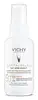 Key Ingredients
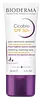
Benefits
Concerns
Ingredients Side-by-side
Water
Skin ConditioningAlcohol Denat.
Antimicrobial




Diisopropyl Sebacate
EmollientSilica
Abrasive


Isopropyl Myristate
Emollient


Ethylhexyl Salicylate
UV Absorber

Ethylhexyl Triazone
UV Absorber
Bis-Ethylhexyloxyphenol Methoxyphenyl Triazine
Skin Conditioning
Butyl Methoxydibenzoylmethane
UV Absorber
Glycerin
Humectant


C12-22 Alkyl Acrylate/Hydroxyethylacrylate Copolymer
StabilisingPropanediol
Solvent
Niacinamide
Smoothing







Drometrizole Trisiloxane
UV Absorber
Perlite
Absorbent
Tocopherol
Antioxidant

Caprylic/Capric Triglyceride
Masking
Acrylates/C10-30 Alkyl Acrylate Crosspolymer
Emulsion StabilisingCaprylyl Glycol
Emollient
Hydrolyzed Rice Protein
Skin ConditioningHydroxyethylcellulose
Emulsion StabilisingPentylene Glycol
Skin Conditioning
Terephthalylidene Dicamphor Sulfonic Acid
UV Absorber
Triethanolamine
BufferingTrisodium Ethylenediamine Disuccinate
Vitreoscilla Ferment
Skin Conditioning
Parfum
Masking

Water, Alcohol Denat., Diisopropyl Sebacate, Silica, Isopropyl Myristate, Ethylhexyl Salicylate, Ethylhexyl Triazone, Bis-Ethylhexyloxyphenol Methoxyphenyl Triazine, Butyl Methoxydibenzoylmethane, Glycerin, C12-22 Alkyl Acrylate/Hydroxyethylacrylate Copolymer, Propanediol, Niacinamide, Drometrizole Trisiloxane, Perlite, Tocopherol, Caprylic/Capric Triglyceride, Acrylates/C10-30 Alkyl Acrylate Crosspolymer, Caprylyl Glycol, Hydrolyzed Rice Protein, Hydroxyethylcellulose, Pentylene Glycol, Terephthalylidene Dicamphor Sulfonic Acid, Triethanolamine, Trisodium Ethylenediamine Disuccinate, Vitreoscilla Ferment, Parfum
Water
Skin ConditioningDiethylamino Hydroxybenzoyl Hexyl Benzoate
UV Filter
Homosalate
Skin Conditioning
Diisopropyl Sebacate
EmollientBis-Ethylhexyloxyphenol Methoxyphenyl Triazine
Skin Conditioning
Dibutyl Adipate
EmollientGlycerin
Humectant
Ethylhexyl Salicylate
UV Absorber
Ethylhexyl Triazone
UV Absorber
Butylene Glycol
Humectant
Lauroyl Lysine
Skin Conditioning
Propanediol
Solvent
Silica
Abrasive
Sodium Citrate
BufferingHydroxyethyl Acrylate/Sodium Acryloyldimethyl Taurate Copolymer
Emulsion StabilisingPolyacrylate Crosspolymer-6
Emulsion StabilisingPentylene Glycol
Skin Conditioning
Copper Sulfate
Skin Conditioning
1,2-Hexanediol
Skin Conditioning
Caprylyl Glycol
Emollient
Citric Acid
Buffering
Ectoin
Skin Conditioning
Mannitol
Humectant
Sodium Hyaluronate
Humectant
Xylitol
Humectant
Zinc Sulfate
Antimicrobial
Vitis Vinifera Vine Extract
Skin ConditioningRhamnose
HumectantPolysorbate 60
Emulsifying
Sorbitan Isostearate
Emulsifying
Asiaticoside
Antioxidant
Madecassic Acid
Skin Conditioning
Asiatic Acid
Skin Conditioning
Acetyl Dipeptide-1 Cetyl Ester
Skin Conditioning
Fructooligosaccharides
Humectant
Caprylic/Capric Triglyceride
Masking
Laminaria Ochroleuca Extract
Skin Conditioning
Water, Diethylamino Hydroxybenzoyl Hexyl Benzoate, Homosalate, Diisopropyl Sebacate, Bis-Ethylhexyloxyphenol Methoxyphenyl Triazine, Dibutyl Adipate, Glycerin, Ethylhexyl Salicylate, Ethylhexyl Triazone, Butylene Glycol, Lauroyl Lysine, Propanediol, Silica, Sodium Citrate, Hydroxyethyl Acrylate/Sodium Acryloyldimethyl Taurate Copolymer, Polyacrylate Crosspolymer-6, Pentylene Glycol, Copper Sulfate, 1,2-Hexanediol, Caprylyl Glycol, Citric Acid, Ectoin, Mannitol, Sodium Hyaluronate, Xylitol, Zinc Sulfate, Vitis Vinifera Vine Extract, Rhamnose, Polysorbate 60, Sorbitan Isostearate, Asiaticoside, Madecassic Acid, Asiatic Acid, Acetyl Dipeptide-1 Cetyl Ester, Fructooligosaccharides, Caprylic/Capric Triglyceride, Laminaria Ochroleuca Extract
Reviews
Ingredients Explained
These ingredients are found in both products.
Ingredients higher up in an ingredient list are typically present in a larger amount.
You might know this ingredient as Tinosorb S or Bemotrizinol. It is a UV filter that covers both UVA and UVB rays.
This ingredient has two peak UV absorption peaks ( 310 and 340 nm) and is able to absorb both UV-A and UV-B rays. This ingredient works by preventing UV rays from reaching and damaging your skin.
On top of that - it is highly photostable and helps prevent the photodegration of other sunscreen ingredients such as avobenzone.
Tinosorb S is allowed in the EU, Australia, and Asia. It is close to being approved by the FDA and we'll hopefully get this ingredient in the U.S. by late 2026.
Fun fact: Tinosorb S is the most effective UV absorber at maximum concentration (measured by SPF) permitted in the EU.
This ingredient is oil-soluble, so your oil-cleansers will take this right off at night.
Learn more about Bis-Ethylhexyloxyphenol Methoxyphenyl TriazineThis ingredient is a lightweight emollient, solvent, and texture enhancer. It is considered a skin-softener by helping the skin prevent moisture loss.
It helps thicken a product's formula and makes it easier to spread by dissolving clumping compounds.
Caprylic Triglyceride is made by combining glycerin with coconut oil, forming a clear liquid. Though it behaves like an oil, it is not technically one due to its chemical composition. It is very stable, resistant to oxidation, and unlikely to go rancid. In practice, that translates to a long shelf life and a consistently elegant skin feel.
While there is an assumption Caprylic Triglyceride can clog pores due to it being derived from coconut oil, there is no research supporting this. Be sure to patch test if you have concerns.
Fractionated coconut oil and MCT Oil are both listed as Caprylic/Capric Triglyceride according to INCI. This is because INCI names are based on the ingredient’s final chemical composition and not its marketing name or source.
Learn more about Caprylic/Capric TriglycerideCaprylyl Glycol is a humectant, skin conditioner, emollient, and preservative booster derived from either caprylic acid or synthetically created.
Typical use levels vary from 0.3-1% as a preservative booster and go up to 2% to condition skin.
Because it is not a free-fatty acid or alcohol, this ingredient is fungal acne safe (there's nothing for Malassezia to feed on).
Learn more about Caprylyl GlycolWe don't have a description for Diisopropyl Sebacate yet.
Ethylhexyl Salicylate is an organic compound used to block UV rays. It primarily absorbs UVB rays but offers a small amount of UVA protection as well.
Commonly found in sunscreens, Ethylhexyl Salicylate is created from salicylic acid and 2-ethylhexanol. You might know salicylic acid as the effective acne fighter ingredient and BHA.
The ethylhexanol in this ingredient is a fatty alcohol and helps hydrate your skin, similar to oils. It is an emollient, which means it traps moisture into the skin.
According to manufacturers, Ethylhexyl Salicylate absorbs UV wavelength of 295-315 nm, with a peak absorption at 307-310 nm. UVA rays are linked to long term skin damage, such as hyperpigmentation. UVB rays emit more energy and are capable of damaging our DNA. UVB rays cause sunburn.
Learn more about Ethylhexyl SalicylateEthylhexyl Triazone is a modern chemical sunscreen that protects from UV-B radiation.
It is the most effective of existing UV-B filters, as it provides the highest level of photo-stable absorption. It protects from the entire UV-B range (280 to 320nm), with it's highest level of protection at 314nm.
Ethylhexyl Triazone is oil soluble, oderless and colorless, which mean it is able to be incorporated into a variety of different formulations.
It is not currently available within the United States due to slow changing FDA regulations. Outside of the US, it is used in formulations at concentrations up to 5%.
Learn more about Ethylhexyl TriazoneGlycerin (or glycerol) is a compound naturally found in your skin. It's a powerhouse humectant that pulls water into the stratum corneum.
Topically, glycerin does several things at once:
Your skin makes glycerin on its own (mostly from sebaceous oil breakdown) and shuttles it to your outermost layer of skin, or your epidermis, via aquaporin-3.
Aquaporin-3 is a transporter that is essential for normal skin hydration, elasticity, and repair. Interestingly, mice lacking in AQP3 have dry and less elastic skin that can be fully corrected with glycerin.
This ingredient is non-irritating, plays well with almost every ingredient, and works across all skin types. Typical use is anywhere between 3-10% but can go up to 79% in some leave-on products.
Just know very high concentrations (>40%) can feel tacky in low humidity.
Glycerin is the name for this ingredient in American English. British English uses Glycerol/Glycerine.
Learn more about GlycerinPentylene glycol is typically used within a product to thicken it. It also adds a smooth, soft, and moisturizing feel to the product. It is naturally found in plants such as sugar beets.
The hydrophilic trait of Pentylene Glycol makes it a humectant. As a humectant, Pentylene Glycol helps draw moisture from the air to your skin. This can help keep your skin hydrated.
This property also makes Pentylene Glycol a great texture enhancer. It can also help thicken or stabilize a product.
Pentylene Glycol also acts as a mild preservative and helps to keep a product microbe-free.
Some people may experience mild eye and skin irritation from Pentylene Glycol. We always recommend speaking with a professional about using this ingredient in your routine.
Pentylene Glycol has a low molecular weight and is part of the 1,2-glycol family.
Learn more about Pentylene GlycolPropanediol is an all-star ingredient. It softens, hydrates, and smooths the skin.
It’s often used to:
Propanediol is not likely to cause sensitivity and considered safe to use. It is derived from corn or petroleum with a clear color and no scent.
Learn more about PropanediolSilica, also known as silicon dioxide, is a naturally occurring mineral. It is used as a fine, spherical, and porous powder in cosmetics.
Though it has exfoliant properties, the function of silica varies depending on the product.
The unique structure of silica enhances the spreadability and adds smoothness, making it a great texture enhancer.
It is also used as an active carrier, emulsifier, and mattifier due to its ability to absorb excess oil.
In some products, tiny microneedles called spicules are made from silica or hydrolyzed sponge. When you rub them in, they lightly polish away dead skin layers and enhance the penetration of active ingredients.
Learn more about SilicaWater. It's the most common cosmetic ingredient of all. You'll usually see it at the top of ingredient lists, meaning that it makes up the largest part of the product.
So why is it so popular? Water most often acts as a solvent - this means that it helps dissolve other ingredients into the formulation.
You'll also recognize water as that liquid we all need to stay alive. If you see this, drink a glass of water. Remember to stay hydrated!
Learn more about Water
