

What's inside
What's inside
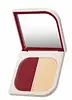 Key Ingredients
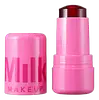
Benefits
Concerns
Ingredients Side-by-side
Mica
Cosmetic ColorantHydrogenated Polydecene
EmollientCaprylic/Capric Triglyceride
Masking


Ethylhexyl Palmitate
Emollient




Polyisobutene
Microcrystalline Wax
Emulsion StabilisingTridecyl Trimellitate
EmollientSynthetic Wax
Abrasive
Silica
Abrasive

Diisostearyl Malate
EmollientParaffin
Skin Conditioning
Bis-Diglyceryl Polyacyladipate-2
Emollient
Phenoxyethanol
Preservative
Parfum
Masking

Tocopheryl Acetate
Antioxidant


Limnanthes Alba Seed Oil
Skin Conditioning
CI 77891
Cosmetic ColorantCI 77491
Cosmetic ColorantCI 77492
Cosmetic ColorantCI 77499
Cosmetic ColorantCI 15850
Cosmetic ColorantSynthetic Fluorphlogopite
Aluminum Starch Octenylsuccinate
Absorbent
Talc
Abrasive
Perlite
Absorbent
Kaolin
Abrasive
Dimethicone/Vinyl Dimethicone Crosspolymer
Skin Conditioning
Dimethicone
Emollient
Triethoxycaprylylsilane
Magnesium Stearate
Cosmetic ColorantCaprylyl Glycol
Emollient
1,2-Hexanediol
Skin Conditioning
Methicone
Emollient
Ethylhexylglycerin
Skin ConditioningMica, Hydrogenated Polydecene, Caprylic/Capric Triglyceride, Ethylhexyl Palmitate, Polyisobutene, Microcrystalline Wax, Tridecyl Trimellitate, Synthetic Wax, Silica, Diisostearyl Malate, Paraffin, Bis-Diglyceryl Polyacyladipate-2, Phenoxyethanol, Parfum, Tocopheryl Acetate, Limnanthes Alba Seed Oil, CI 77891, CI 77491, CI 77492, CI 77499, CI 15850, Synthetic Fluorphlogopite, Aluminum Starch Octenylsuccinate, Talc, Perlite, Kaolin, Dimethicone/Vinyl Dimethicone Crosspolymer, Dimethicone, Triethoxycaprylylsilane, Magnesium Stearate, Caprylyl Glycol, 1,2-Hexanediol, Methicone, Ethylhexylglycerin
Water
Skin ConditioningGlycerin
Humectant
Sorbitol
Humectant
Propanediol
Solvent
Butylene Glycol
Humectant
Aloe Barbadensis Leaf Juice
Skin Conditioning

Niacinamide
Smoothing



Hibiscus Rosa-Sinensis Flower Extract
HumectantHylocereus Undatus Fruit Extract
Skin ConditioningKappaphycus Alvarezii Extract
Skin Conditioning
Tremella Fuciformis Polysaccharide
Emulsion Stabilising
Chlorella Ferment
Skin Conditioning
Tocopherol
Antioxidant
Maris Aqua
HumectantAllantoin
Skin Conditioning
Agarose
Skin ConditioningCarbomer
Emulsion StabilisingSodium Hydroxide
BufferingGlyceryl Acrylate/Acrylic Acid Copolymer
HumectantPvm/Ma Copolymer
Emulsion StabilisingPotassium Carbonate
BufferingCitric Acid
Buffering
1,2-Hexanediol
Skin Conditioning
Caprylyl Glycol
Emollient
Ethylhexylglycerin
Skin ConditioningBenzoic Acid
Masking
Potassium Sorbate
Preservative
Sodium Benzoate
Masking
Benzyl Alcohol
Perfuming

Phenoxyethanol
Preservative
Parfum
Masking
Linalool
Perfuming
CI 45380
Cosmetic ColorantCI 45410
Cosmetic ColorantCI 17200
Cosmetic ColorantWater, Glycerin, Sorbitol, Propanediol, Butylene Glycol, Aloe Barbadensis Leaf Juice, Niacinamide, Hibiscus Rosa-Sinensis Flower Extract, Hylocereus Undatus Fruit Extract, Kappaphycus Alvarezii Extract, Tremella Fuciformis Polysaccharide, Chlorella Ferment, Tocopherol, Maris Aqua, Allantoin, Agarose, Carbomer, Sodium Hydroxide, Glyceryl Acrylate/Acrylic Acid Copolymer, Pvm/Ma Copolymer, Potassium Carbonate, Citric Acid, 1,2-Hexanediol, Caprylyl Glycol, Ethylhexylglycerin, Benzoic Acid, Potassium Sorbate, Sodium Benzoate, Benzyl Alcohol, Phenoxyethanol, Parfum, Linalool, CI 45380, CI 45410, CI 17200
Reviews
Ingredients Explained
These ingredients are found in both products.
Ingredients higher up in an ingredient list are typically present in a larger amount.
1,2-Hexanediol is a synthetic liquid and another multi-functional powerhouse.
It is a:
- Humectant, drawing moisture into the skin
- Emollient, helping to soften skin
- Solvent, dispersing and stabilizing formulas
- Preservative booster, enhancing the antimicrobial activity of other preservatives
Caprylyl Glycol is a humectant, skin conditioner, emollient, and preservative booster derived from either caprylic acid or synthetically created.
Typical use levels vary from 0.3-1% as a preservative booster and go up to 2% to condition skin.
Because it is not a free-fatty acid, this ingredient is fungal acne safe (there's nothing for Malassezia to feed on).
Learn more about Caprylyl GlycolEthylhexylglycerin is created from glycerin. It is a multitasker ingredient that:
The CIR Expert Panel found minimal skin absorption or sensitization of any kind in a safety assessment. Though this ingredient is considered well-tolerated, a small number of cases of allergic dermatitis have been published since 2002. Just be sure to patch test if you are unsure.
Industry-reported use ranges from 8% in rinse-off products and 2% in leave-on formulations.
Learn more about EthylhexylglycerinParfum is a catch-all term for an ingredient or more that is used to give a scent to products.
Also called "fragrance", this ingredient can be a blend of hundreds of chemicals or plant oils. This means every product with "fragrance" or "parfum" in the ingredients list is a different mixture.
For instance, Habanolide is a proprietary trade name for a specific aroma chemical. When used as a fragrance ingredient in cosmetics, most aroma chemicals fall under the broad labeling category of “FRAGRANCE” or “PARFUM” according to EU and US regulations.
The term 'parfum' or 'fragrance' is not regulated in many countries. In many cases, it is up to the brand to define this term.
For instance, many brands choose to label themselves as "fragrance-free" because they are not using synthetic fragrances. However, their products may still contain ingredients such as essential oils that are considered a fragrance by INCI standards.
One example is Calendula flower extract. Calendula is an essential oil that still imparts a scent or 'fragrance'.
Depending on the blend, the ingredients in the mixture can cause allergies and sensitivities on the skin. Some ingredients that are known EU allergens include linalool and citronellol.
Parfum can also be used to mask or cover an unpleasant scent.
The bottom line is: not all fragrances/parfum/ingredients are created equally. If you are worried about fragrances, we recommend taking a closer look at an ingredient. And of course, we always recommend speaking with a professional.
Learn more about ParfumPhenoxyethanol is one of the most widely used preservatives in skincare (and for good reason!).
It has a large spectrum of antimicrobial activity and especially effective bacteria, yeast, and mold while only having a weak effect on your skin's natural microbiome.
On a cellular level, it disrupts the cell membranes of microbes by poking holes that make the cell leak. This shuts down the chemical reactions the microbe needs to make energy so it can no longer survive.
Another perk of this ingredient is that it stays functional across a wide pH range (3-10).
You'll often see it paired with boosters like Ethylhexylglycerin; one study showed that a 1:9 ratio of Ethylhexylglycerin to Phenoxyethanol damages bacterial membranes as effectively as doubling the Phenoxyethanol concentration on its own.
Typical use concentrations range from 0.3-1% depending on the formula, and this ingredient is capped at 1% int the EU.
Safety-wise, the fear mongering does not hold up to the evidence. The EU's Scientific Committee on Consumer Safety and FDA consider it safe as a preservative at up to 1%, including for children of all ages.
Adverse systemic effects only showed up in animal studies at exposures roughly 200x higher than what people get from cosmetics. And despite its very widespread use, this ingredient is a rare sensitizer and allergic reactions are uncommon.
Learn more about Phenoxyethanol

