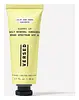
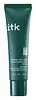
Versed Guards Up Daily Mineral Sunscreen Broad Spectrum SPF 35 Versus itk Broad Spectrum SPF 50 Sunscreen Serum
This hybrid sunscreen covers the full UV range and blocks ~97% of UVB at SPF 35.
This sunscreen offers SPF 50 protection with a dewy, hydrating finish.

What's inside
What's inside
 Key Ingredients
Benefits
Concerns
Ingredients Side-by-side
Zinc Oxide 15.2%
Cosmetic Colorant


Water
Skin ConditioningButyloctyl Salicylate
Skin Conditioning
Isodecyl Neopentanoate
EmollientCalcium Sodium Borosilicate
Diheptyl Succinate
EmollientC18-21 Alkane
SolventErythritol
Humectant
Cetearyl Alcohol
Emollient






Sodium Stearoyl Glutamate
CleansingCapryloyl Glycerin/Sebacic Acid Copolymer
Skin ConditioningPropanediol
Solvent
Arachidyl Alcohol
Emollient
Glycerin
Humectant
Pyrus Malus Fruit Extract
Skin Conditioning
Caprylic/Capric Triglyceride
Masking
Tocopherol
Antioxidant





Caprylyl Glycol
Emollient
Coco-Glucoside
Cleansing
Ethyl Ferulate
Antioxidant
Behenyl Alcohol
Emollient
Cetyl Alcohol
Emollient
Arachidyl Glucoside
EmulsifyingBisabolol
Antioxidant
Polyhydroxystearic Acid
Emulsifying
Citric Acid
Buffering
Sodium Gluconate
ChelatingXanthan Gum
EmulsifyingOctyldodecyl Oleate
Emollient
Caprylhydroxamic Acid
ChelatingHydrolyzed Jojoba Esters
Skin Conditioning
Sodium Hyaluronate
Humectant
Crithmum Maritimum Extract
Skin ConditioningMaltodextrin
Absorbent
Moringa Oleifera Seed Extract
Skin Conditioning
Aloe Barbadensis Leaf
Masking
Iron Oxides
CI 77491
Cosmetic ColorantZinc Oxide 15.2%, Water, Butyloctyl Salicylate, Isodecyl Neopentanoate, Calcium Sodium Borosilicate, Diheptyl Succinate, C18-21 Alkane, Erythritol, Cetearyl Alcohol, Sodium Stearoyl Glutamate, Capryloyl Glycerin/Sebacic Acid Copolymer, Propanediol, Arachidyl Alcohol, Glycerin, Pyrus Malus Fruit Extract, Caprylic/Capric Triglyceride, Tocopherol, Caprylyl Glycol, Coco-Glucoside, Ethyl Ferulate, Behenyl Alcohol, Cetyl Alcohol, Arachidyl Glucoside, Bisabolol, Polyhydroxystearic Acid, Citric Acid, Sodium Gluconate, Xanthan Gum, Octyldodecyl Oleate, Caprylhydroxamic Acid, Hydrolyzed Jojoba Esters, Sodium Hyaluronate, Crithmum Maritimum Extract, Maltodextrin, Moringa Oleifera Seed Extract, Aloe Barbadensis Leaf, Iron Oxides, CI 77491
Water
Skin ConditioningCoco-Caprylate
Emollient
Glyceryl Stearate
Emollient
PEG-8 Stearate
Emulsifying
Tocopheryl Acetate
Antioxidant
Polysorbate 20
Emulsifying
Polyhydroxystearic Acid
Emulsifying
Panthenol
Skin Conditioning
Benzyl Alcohol
Perfuming





Cetearyl Alcohol
Emollient
Triethoxycaprylylsilane

Caprylic/Capric Triglyceride
Masking
Xanthan Gum
EmulsifyingSorbitan Oleate
Emulsifying
Lauroyl Lysine
Skin Conditioning
Sodium Phytate
ChelatingDehydroacetic Acid
Preservative
Carnosine
Skin Conditioning
Water, Coco-Caprylate, Glyceryl Stearate, PEG-8 Stearate, Tocopheryl Acetate, Polysorbate 20, Polyhydroxystearic Acid, Panthenol, Benzyl Alcohol, Cetearyl Alcohol, Triethoxycaprylylsilane, Caprylic/Capric Triglyceride, Xanthan Gum, Sorbitan Oleate, Lauroyl Lysine, Sodium Phytate, Dehydroacetic Acid, Carnosine
Reviews
Ingredients Explained
These ingredients are found in both products.
Ingredients higher up in an ingredient list are typically present in a larger amount.
Caprylic/Capric Triglyceride (aka MCT Oil) is a lightweight emollient, solvent, and texture enhancer. It is considered a skin-softener by helping to prevent moisture loss.
Though it behaves like an oil, it is not technically one due to its chemical composition. One perk of this ingredient is that it is very stable, resistant to oxidation, and unlikely to go rancid.
In practice, that translates to a long shelf life and a consistently elegant skin feel.
While there is an assumption Caprylic Triglyceride can clog pores due to it being derived from coconut oil, there is no research supporting this. Just patch test if you have concerns.
Fractionated coconut oil and MCT Oil are both listed as Caprylic/Capric Triglyceride according to INCI. This is because INCI names are based on the ingredient’s final chemical composition and not its marketing name or source.
This ingredient is treated as the gold standard fungal acne safe oil. Even though it is coconut derived, the problematic lauric acid is stripped out.
This leaves just caprylic (C8) and capric (C10) acid. These chain lengths actually trend antifungal; a 2020 study found caprylic acid was enough to disrupt Malassezia furfur cell membrane, with a caprylic acid derivative damaging membrane structures at concentrations as low as 0.2%.
Learn more about Caprylic/Capric TriglycerideCetearyl alcohol is a waxy mixture of two fatty alcohols: cetyl alcohol and stearyl alcohol. It is an emollient and emulsifier.
Despite having "alcohol" in its name, it has nothing to do with drying solvent alcohols; the FDA also allows "alcohol-free" products to contain fatty alcohols like this ingredient.
It plays several roles in a formula:
Typical use levels for this ingredient sit around 1-10% and the Cosmetic Ingredient Review Expert Panel has affirmed safety at concentrations up to 25% in leave-on products.
Multiple assessments have found it to be non-irritating and non-sensitizing to most people.
However, there have been some cases of allergic contact dermatitis in patients with chronically compromised skin barriers.
Cetearyl alcohol has a comedogenic rating of 2 and irritancy rating of 1. Both of these numbers come from the 1989 study that used rabbit ears; a "2" means mildly comedogenic and a "1" means low irritancy.
Here's the catch: rabbit skin is more sensitive than human skin and throws a lot of false positives. A 1996 reappraisal found that ingredients rated 1-2 in the rabbit ear tests are generally safe for humans.
Remember comedogenic ratings are unable to assess the entire formula of a product or how it will react on your skin. Just be sure to patch test if you are unsure about certain ingredients.
This ingredient is not fungal acne safe. Cetearyl alcohol is a fatty alcohol with chain lengths that fall within the range that Malassezia can metabolize.
A 2019 study has also observed Malassezia growth in the presence of this ingredient, confirming it to be not-fungal acne safe.
Learn more about Cetearyl AlcoholPolyhydroxystearic Acid is a vegetable-derived soft wax made from castor oil. It's an emulsion stabilizer, thickener, and film former.
You'll likely see it in sunscreens because it helps disperse pigments and UV-reflecting minerals like titanium dioxide and zinc oxide evenly.
Depending on the concentration, it can drastically change the texture of a product from pasty solid (like lipstick) to sprayable liquid.
The CIR Expert Panel for Cosmetic Ingredient Safety has concluded this ingredient to be safe in cosmetics. The highest reported use concentration is 14.2% in lipsticks.
Learn more about Polyhydroxystearic AcidWater. It's the most common cosmetic ingredient of all. You'll usually see it at the top of ingredient lists, meaning that it makes up the largest part of the product.
So why is it so popular? Water most often acts as a solvent - this means that it helps dissolve other ingredients into the formulation.
You'll also recognize water as that liquid we all need to stay alive. If you see this, drink a glass of water. Remember to stay hydrated!
Learn more about WaterXanthan gum is used as a stabilizer and thickener within cosmetic products. It helps give products a sticky, thick feeling - preventing them from being too runny.
On the technical side of things, xanthan gum is a polysaccharide - a combination consisting of multiple sugar molecules bonded together.
Xanthan gum is a pretty common and great ingredient. It is a natural, non-toxic, non-irritating ingredient that is also commonly used in food products.
Learn more about Xanthan Gum

