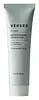
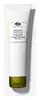
Versed Day Maker Microcrystal Exfoliating Cleanser Versus Origins Modern Friction Nature's Gentle Microdermabrasion
This exfoliator is formulated around Helianthus Annuus Seed Oil and Simmondsia Chinensis Seed Oil to hydrate and support scar healing.
This exfoliator is formulated around Rosa Damascena Flower Water to calm irritation and reduce redness.

What's inside
What's inside
 Key Ingredients
Benefits
Concerns
Ingredients Side-by-side
Water
Skin ConditioningMicrocrystalline Cellulose
AbsorbentHelianthus Annuus Seed Oil
Emollient



Cetyl Alcohol
Emollient

Simmondsia Chinensis Seed Oil
Emollient

Glycerin
Humectant
Glyceryl Stearate
Emollient
Candelilla/Jojoba/Rice Bran Polyglyceryl-3 Esters
Emulsifying
Ribes Nigrum Leaf Extract
Perfuming
Rubus Idaeus Leaf Extract
Skin ConditioningCymbopogon Citratus Leaf Oil
Masking


Moringa Oleifera Seed Oil
Emollient


Arginine
Masking
Hydroxyacetophenone
Antioxidant
Xanthan Gum
EmulsifyingCetearyl Alcohol
Emollient
Sodium Stearoyl Lactylate
EmulsifyingLauryl Glucoside
CleansingPhenoxyethanol
Preservative
Ethylhexylglycerin
Skin ConditioningSorbic Acid
Preservative
Citral
Perfuming
Water, Microcrystalline Cellulose, Helianthus Annuus Seed Oil, Cetyl Alcohol, Simmondsia Chinensis Seed Oil, Glycerin, Glyceryl Stearate, Candelilla/Jojoba/Rice Bran Polyglyceryl-3 Esters, Ribes Nigrum Leaf Extract, Rubus Idaeus Leaf Extract, Cymbopogon Citratus Leaf Oil, Moringa Oleifera Seed Oil, Arginine, Hydroxyacetophenone, Xanthan Gum, Cetearyl Alcohol, Sodium Stearoyl Lactylate, Lauryl Glucoside, Phenoxyethanol, Ethylhexylglycerin, Sorbic Acid, Citral
Water
Skin ConditioningRosa Damascena Flower Water
Masking
Oryza Sativa Starch
AbsorbentSodium Laureth Sulfate
Cleansing

Glycerin
Humectant
Cocamide Mea
Emulsifying
Glycol Distearate
Emollient
Acrylates Copolymer
Pentylene Glycol
Skin Conditioning
Polysorbate 20
Emulsifying
Citrus Aurantium Bergamia Fruit Oil
Masking
Citrus Limon Peel Oil
Masking
Cucumis Sativus Oil
Emollient
Cinnamomum Camphora Oil
Masking
Litsea Cubeba Fruit Oil
Masking
Citrus Aurantium Amara Peel Extract
MaskingOcimum Basilicum Oil
Masking
Mentha Piperita Oil
Masking
Citral
Perfuming
Linalool
Perfuming
Benzyl Salicylate
Perfuming
Limonene
Perfuming
Aloe Barbadensis Leaf Extract
Emollient
Scutellaria Baicalensis Root Extract
Astringent
Pyrus Malus Fruit Extract
Skin Conditioning
Cucumis Sativus Fruit Extract
Emollient
Tetrahexyldecyl Ascorbate
Antioxidant



Butylene Glycol
Humectant
Hexylene Glycol
EmulsifyingSodium Cocoate
Cleansing
Caprylyl Glycol
Emollient
Sodium Sulfate
Hydroxypropyl Methylcellulose
Emulsion StabilisingSodium Chloride
MaskingPentaerythrityl Tetra-Di-T-Butyl Hydroxyhydrocinnamate
Antioxidant
Laureth-2
CleansingEDTA
ChelatingDisodium EDTA
ChelatingTrisodium Hedta
ChelatingSodium Hydroxide
BufferingMethylchloroisothiazolinone
Preservative
Methylisothiazolinone
Preservative
Phenoxyethanol
Preservative
CI 77891
Cosmetic ColorantWater, Rosa Damascena Flower Water, Oryza Sativa Starch, Sodium Laureth Sulfate, Glycerin, Cocamide Mea, Glycol Distearate, Acrylates Copolymer, Pentylene Glycol, Polysorbate 20, Citrus Aurantium Bergamia Fruit Oil, Citrus Limon Peel Oil, Cucumis Sativus Oil, Cinnamomum Camphora Oil, Litsea Cubeba Fruit Oil, Citrus Aurantium Amara Peel Extract, Ocimum Basilicum Oil, Mentha Piperita Oil, Citral, Linalool, Benzyl Salicylate, Limonene, Aloe Barbadensis Leaf Extract, Scutellaria Baicalensis Root Extract, Pyrus Malus Fruit Extract, Cucumis Sativus Fruit Extract, Tetrahexyldecyl Ascorbate, Butylene Glycol, Hexylene Glycol, Sodium Cocoate, Caprylyl Glycol, Sodium Sulfate, Hydroxypropyl Methylcellulose, Sodium Chloride, Pentaerythrityl Tetra-Di-T-Butyl Hydroxyhydrocinnamate, Laureth-2, EDTA, Disodium EDTA, Trisodium Hedta, Sodium Hydroxide, Methylchloroisothiazolinone, Methylisothiazolinone, Phenoxyethanol, CI 77891
Ingredients Explained
These ingredients are found in both products.
Ingredients higher up in an ingredient list are typically present in a larger amount.
Citral is the molecule responsible for the fresh lemon scent in lemon, lime, and lemongrass. It is a fragrance ingredient that can be created from plant essential oils or synthetically.
Though Citral has documented antimicrobial activity against acne bacteria (which is where the marketing claims about it being good for acne-prone skin originate), real formulas use it at fragrance-level concentrations under 1% so there's likely no skin benefit.
You should know this ingredient is a known EU fragrance allergen.
Animal studies classifies this ingredient as a weak-to-moderate skin sensitizer and clinical patch testing on eczema patients confirmed it to be both a contact allergen and irritant.
The term 'citral' is a collective term for two geometric isomers: geranial/Citral A and neral/Citral B.
The term 'fragrance' is not regulated in many countries. In many cases, it is up to the brand to define this term. For instance, many brands choose to label themselves as "fragrance-free" because they are not using synthetic fragrances. However, their products may still contain ingredients such as essential oils that are considered a fragrance.
Learn more about CitralGlycerin (or glycerol) is a compound naturally found in your skin. It's a powerhouse humectant that pulls water into the stratum corneum.
Topically, glycerin does several things at once:
Your skin makes glycerin on its own (mostly from sebaceous oil breakdown) and shuttles it to your outermost layer of skin, or your epidermis, via aquaporin-3.
Aquaporin-3 is a transporter that is essential for normal skin hydration, elasticity, and repair. Interestingly, mice lacking in AQP3 have dry and less elastic skin that can be fully corrected with glycerin.
This ingredient is non-irritating, plays well with almost every ingredient, and works across all skin types. Typical use is anywhere between 3-10% but can go up to 79% in some leave-on products.
Just know very high concentrations (>40%) can feel tacky in low humidity.
Glycerin is the name for this ingredient in American English. British English uses Glycerol/Glycerine.
Learn more about GlycerinPhenoxyethanol is one of the most widely used preservatives in skincare (and for good reason!).
It has a large spectrum of antimicrobial activity and especially effective bacteria, yeast, and mold while only having a weak effect on your skin's natural microbiome.
On a cellular level, it disrupts the cell membranes of microbes by poking holes that make the cell leak. This shuts down the chemical reactions the microbe needs to make energy so it can no longer survive.
Another perk of this ingredient is that it stays functional across a wide pH range (3-10).
You'll often see it paired with boosters like Ethylhexylglycerin; one study showed that a 1:9 ratio of Ethylhexylglycerin to Phenoxyethanol damages bacterial membranes as effectively as doubling the Phenoxyethanol concentration on its own.
Typical use concentrations range from 0.3-1% depending on the formula, and this ingredient is capped at 1% int the EU.
Safety-wise, the fear mongering does not hold up to the evidence. The EU's Scientific Committee on Consumer Safety and FDA consider it safe as a preservative at up to 1%, including for children of all ages.
Adverse systemic effects only showed up in animal studies at exposures roughly 200x higher than what people get from cosmetics. And despite its very widespread use, this ingredient is a rare sensitizer and allergic reactions are uncommon.
Learn more about PhenoxyethanolWater. It's the most common cosmetic ingredient of all. You'll usually see it at the top of ingredient lists, meaning that it makes up the largest part of the product.
So why is it so popular? Water most often acts as a solvent - this means that it helps dissolve other ingredients into the formulation.
You'll also recognize water as that liquid we all need to stay alive. If you see this, drink a glass of water. Remember to stay hydrated!
Learn more about Water

