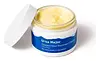
This calming moisturizer is formulated around Aloe Barbadensis Leaf Juice and Galactoarabinan to calm redness and hydrate skin.
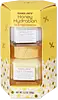
This barrier-repair day moisturizer is formulated around Caprylic/Capric Triglyceride and Sodium Hyaluronate to strengthen the skin barrier and hydrate skin.

What's inside
What's inside
 Key Ingredients
Benefits
Concerns
Ingredients Side-by-side
Aloe Barbadensis Leaf Juice
Skin Conditioning


Helianthus Annuus Seed Oil
Emollient


Glyceryl Stearate Citrate
Emollient
Cetearyl Alcohol
Emollient




Glyceryl Caprylate
EmollientGlycerin
Humectant

Populus Tremuloides Bark Extract
AntiseborrhoeicCaprylhydroxamic Acid
ChelatingLimnanthes Alba Seed Oil
Skin Conditioning
Galactoarabinan
Cetyl Palmitate
Emollient
Octyldodecanol
Emollient
Ribes Nigrum Seed Oil
Emollient
Helianthus Annuus Seed Oil Unsaponifiables
Emollient
Cardiospermum Halicacabum Flower/Leaf/Vine Extract
Skin ConditioningTocopherol
Antioxidant




Rosmarinus Officinalis Leaf Extract
AntimicrobialHippophae Rhamnoides Fruit Extract
Skin Conditioning
Santalum Spicatum Wood Oil
Perfuming


Rosa Damascena Flower Oil
Masking
Citrus Aurantium Amara Flower Oil
Masking
Cymbopogon Martini Oil
Masking
Calendula Officinalis Flower Extract
Masking
Sodium Phytate
ChelatingSodium Anisate
AntimicrobialSclerotium Gum
Emulsion StabilisingXanthan Gum
EmulsifyingCitric Acid
Buffering
Aloe Barbadensis Leaf Juice, Helianthus Annuus Seed Oil, Glyceryl Stearate Citrate, Cetearyl Alcohol, Glyceryl Caprylate, Glycerin, Populus Tremuloides Bark Extract, Caprylhydroxamic Acid, Limnanthes Alba Seed Oil, Galactoarabinan, Cetyl Palmitate, Octyldodecanol, Ribes Nigrum Seed Oil, Helianthus Annuus Seed Oil Unsaponifiables, Cardiospermum Halicacabum Flower/Leaf/Vine Extract, Tocopherol, Rosmarinus Officinalis Leaf Extract, Hippophae Rhamnoides Fruit Extract, Santalum Spicatum Wood Oil, Rosa Damascena Flower Oil, Citrus Aurantium Amara Flower Oil, Cymbopogon Martini Oil, Calendula Officinalis Flower Extract, Sodium Phytate, Sodium Anisate, Sclerotium Gum, Xanthan Gum, Citric Acid
Water
Skin ConditioningCaprylic/Capric Triglyceride
Masking
Myristyl Alcohol
Emollient
Glycerin
Humectant
Ricinus Communis Seed Oil
Masking
Sodium Hyaluronate
Humectant
Cetyl Alcohol
Emollient
Phenoxyethanol
Preservative
Myristyl Glucoside
CleansingHoney
Humectant
Polysorbate 20
Emulsifying
Polyisobutene
Polyacrylate-13
Arachidyl Glucoside
EmulsifyingBehenyl Alcohol
Emollient
Arachidyl Alcohol
Emollient
Potassium Sorbate
Preservative
Aloe Barbadensis Leaf Juice
Skin Conditioning
Ceramide Ng
Skin Conditioning
Xanthan Gum
EmulsifyingCitric Acid
Buffering
Ethylhexylglycerin
Skin ConditioningSodium Citrate
BufferingArnica Montana Flower Extract
Masking
Chamomilla Recutita Flower Extract
Masking
Parfum
Masking
Water, Caprylic/Capric Triglyceride, Myristyl Alcohol, Glycerin, Ricinus Communis Seed Oil, Sodium Hyaluronate, Cetyl Alcohol, Phenoxyethanol, Myristyl Glucoside, Honey, Polysorbate 20, Polyisobutene, Polyacrylate-13, Arachidyl Glucoside, Behenyl Alcohol, Arachidyl Alcohol, Potassium Sorbate, Aloe Barbadensis Leaf Juice, Ceramide Ng, Xanthan Gum, Citric Acid, Ethylhexylglycerin, Sodium Citrate, Arnica Montana Flower Extract, Chamomilla Recutita Flower Extract, Parfum
Reviews
Ingredients Explained
These ingredients are found in both products.
Ingredients higher up in an ingredient list are typically present in a larger amount.
Aloe Barbadensis Leaf Juice is the filtered, stabilized liquid pressed from the inner gel of the aloe vera leaf.
In cosmetics, it shows up as either soothing active or a water-replacement base. It is roughly 98-99% water and the last 1-2% is an interesting mix of polysaccharides, amino acids, vitamins, minerals, and enzymes.
The polysaccharides do most of the work: they bind water at the skin surface for a light, non-greasy hydration boost. And one of the polysaccharides, glycomannan, is linked to fibroblast stimulation + collagen synthesis. This is also why aloe has such a long track record in wound and burn healing.
This ingredient is also calming with anti-inflammatory and mild antimicrobial activity, making it a great pick for sensitive, irritated, or post-sun skin.
Realistic expectations matter though; the solid evidence is mostly limited to hydration, soothing, and wound support. Deeper claims about anti-aging or sun protection are not well backed, and science reviews note it does not prevent radiation-induced skin injury.
Because it plays well with almost everything, it's commonly used as a base alongside other actives like niacinamide or vitamin C.
Typical usage concentrations range from 0.5% (where hydration benefits already show up) all the way to 90%+ (where it replaces water as the main base).
The safety for this ingredient is well-establish as well. Overall, this is a great supporting ingredient for those who want a boost in hydration.
Learn more about Aloe Barbadensis Leaf JuiceCitric Acid is an alpha hydroxy acid (AHA) naturally found in citrus fruits like oranges, lemons, and limes.
Like other AHAs, citric acid can exfoliate skin by breaking down the bonds that hold dead skin cells together. This helps reveal smoother and brighter skin underneath.
However, this exfoliating effect only happens at high concentrations (20%) which can be hard to find in cosmetic products.
Due to this, citric acid is usually included in small amounts as a pH adjuster. This helps keep products slightly more acidic and compatible with skin's natural pH.
In skincare formulas, citric acid can:
While it can provide some skin benefits, research shows lactic acid and glycolic acid are generally more effective and less irritating exfoliants.
Most citric acid used in skincare today is made by fermenting sugars (usually from molasses). This synthetic version is identical to the natural citrus form but easier to stabilize and use in formulations.
Rosacea skin has a lower threshold for acids generally, with 62.5% of rosacea subjects in one study reacting to lactic acid in a sting test. This is why we mark citric acid as a potential rosacea trigger.
However, this ingredient shows up as a pH adjuster or chelator at roughly 0.1-1% in many products. These low levels are unlikely to be an issue for rosacea skin and becomes a potential trigger at exfoliating concentrations (20%). Because everybody's skin is unique, we recommend a patch test if you are unsure.
Learn more about Citric AcidGlycerin (or glycerol) is a compound naturally found in your skin. It's a powerhouse humectant that pulls water into the stratum corneum.
Topically, glycerin does several things at once:
Your skin makes glycerin on its own (mostly from sebaceous oil breakdown) and shuttles it to your outermost layer of skin, or your epidermis, via aquaporin-3.
Aquaporin-3 is a transporter that is essential for normal skin hydration, elasticity, and repair. Interestingly, mice lacking in AQP3 have dry and less elastic skin that can be fully corrected with glycerin.
This ingredient is non-irritating, plays well with almost every ingredient, and works across all skin types. Typical use is anywhere between 3-10% but can go up to 79% in some leave-on products.
Just know very high concentrations (>40%) can feel tacky in low humidity.
Glycerin is the name for this ingredient in American English. British English uses Glycerol/Glycerine.
Learn more about GlycerinXanthan gum is used as a stabilizer and thickener within cosmetic products. It helps give products a sticky, thick feeling - preventing them from being too runny.
On the technical side of things, xanthan gum is a polysaccharide - a combination consisting of multiple sugar molecules bonded together.
Xanthan gum is a pretty common and great ingredient. It is a natural, non-toxic, non-irritating ingredient that is also commonly used in food products.
Learn more about Xanthan Gum

