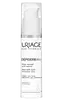
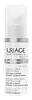
Uriage Dépiderm Anti-Dark Spot Intensive Care Versus Uriage Dépiderm Anti-Brown Spot Daytime Care SPF50+
This brightening treatment is formulated around Ascorbyl Tetraisopalmitate and Glycolic Acid to fade the look of dark spots and refine skin texture.
This brightening day moisturizer is formulated around Ascorbyl Tetraisopalmitate and Glycyrrhetinic Acid to fade the look of dark spots.

What's inside
What's inside
 Key Ingredients
Benefits
Concerns
Ingredients Side-by-side
Water
Skin ConditioningDi-C12-13 Alkyl Malate
EmollientDicaprylyl Ether
Emollient
Glycerin
Humectant

Squalane
Emollient
Ascorbyl Tetraisopalmitate
Antioxidant




Glycolic Acid
Buffering







Steareth-2
EmulsifyingSteareth-21
CleansingLactic Acid
Buffering
Sodium Hydroxide
BufferingMaltodextrin
Absorbent
1,2-Hexanediol
Skin Conditioning
Glycyrrhetinic Acid
Skin Conditioning
Sodium Polyacryloyldimethyl Taurate
Emulsion StabilisingSucrose Dilaurate
Emollient
Jojoba Esters
Emollient
Acrylates/C10-30 Alkyl Acrylate Crosspolymer
Emulsion StabilisingGlyceryl Behenate
Emollient
Glyceryl Stearate
Emollient
PEG-100 Stearate
Surfactant
Helianthus Annuus Seed Cera
Emollient
Benzoic Acid
Masking
Niacinamide
Smoothing

Xanthan Gum
EmulsifyingSodium Cocoyl Glutamate
Cleansing
Tocopheryl Acetate
Antioxidant
Pisum Sativum Extract
Skin ConditioningAcacia Decurrens Flower Cera
Emollient
Polyglycerin-3
Humectant
Tocopherol
Antioxidant
Water, Di-C12-13 Alkyl Malate, Dicaprylyl Ether, Glycerin, Squalane, Ascorbyl Tetraisopalmitate, Glycolic Acid, Steareth-2, Steareth-21, Lactic Acid, Sodium Hydroxide, Maltodextrin, 1,2-Hexanediol, Glycyrrhetinic Acid, Sodium Polyacryloyldimethyl Taurate, Sucrose Dilaurate, Jojoba Esters, Acrylates/C10-30 Alkyl Acrylate Crosspolymer, Glyceryl Behenate, Glyceryl Stearate, PEG-100 Stearate, Helianthus Annuus Seed Cera, Benzoic Acid, Niacinamide, Xanthan Gum, Sodium Cocoyl Glutamate, Tocopheryl Acetate, Pisum Sativum Extract, Acacia Decurrens Flower Cera, Polyglycerin-3, Tocopherol
Water
Skin ConditioningDicaprylyl Carbonate
EmollientMethylene Bis-Benzotriazolyl Tetramethylbutylphenol
UV Filter
Ethylhexyl Triazone
UV Absorber
Butyl Methoxydibenzoylmethane
UV Absorber
Dimethicone
Emollient
Diisopropyl Sebacate
EmollientPropylene Glycol Dicaprylate/Dicaprate
EmollientC12-15 Alkyl Benzoate
AntimicrobialDiisopropyl Adipate
EmollientBis-Ethylhexyloxyphenol Methoxyphenyl Triazine
UV Absorber
Silica
Abrasive
Triacontanyl Pvp
HumectantGlycerin
Humectant
C20-22 Alkyl Phosphate
EmulsifyingAscorbyl Tetraisopalmitate
Antioxidant
C20-22 Alcohols
Emulsion Stabilising
Decyl Glucoside
Cleansing
Maltodextrin
Absorbent
Butylene Glycol
Humectant
Glycyrrhetinic Acid
Skin Conditioning
Glucose
Humectant
Xanthan Gum
EmulsifyingCoco-Glucoside
Cleansing
Sucrose Dilaurate
Emollient
Benzoic Acid
Masking
Tetrasodium EDTA
ChelatingCoconut Alcohol
Emollient
Hydrogenated Polydecene
EmollientTocopheryl Acetate
Antioxidant
O-Cymen-5-Ol
Antimicrobial
Sodium Cocoyl Glutamate
Cleansing
Trehalose
Humectant
Propylene Glycol
Humectant
Pisum Sativum Extract
Skin ConditioningCitric Acid
Buffering
Sodium Hydroxide
BufferingTocopherol
Antioxidant
Spirulina Platensis Extract
Skin ProtectingPolyquaternium-51
Skin Conditioning
Water, Dicaprylyl Carbonate, Methylene Bis-Benzotriazolyl Tetramethylbutylphenol, Ethylhexyl Triazone, Butyl Methoxydibenzoylmethane, Dimethicone, Diisopropyl Sebacate, Propylene Glycol Dicaprylate/Dicaprate, C12-15 Alkyl Benzoate, Diisopropyl Adipate, Bis-Ethylhexyloxyphenol Methoxyphenyl Triazine, Silica, Triacontanyl Pvp, Glycerin, C20-22 Alkyl Phosphate, Ascorbyl Tetraisopalmitate, C20-22 Alcohols, Decyl Glucoside, Maltodextrin, Butylene Glycol, Glycyrrhetinic Acid, Glucose, Xanthan Gum, Coco-Glucoside, Sucrose Dilaurate, Benzoic Acid, Tetrasodium EDTA, Coconut Alcohol, Hydrogenated Polydecene, Tocopheryl Acetate, O-Cymen-5-Ol, Sodium Cocoyl Glutamate, Trehalose, Propylene Glycol, Pisum Sativum Extract, Citric Acid, Sodium Hydroxide, Tocopherol, Spirulina Platensis Extract, Polyquaternium-51
Ingredients Explained
These ingredients are found in both products.
Ingredients higher up in an ingredient list are typically present in a larger amount.
Ascorbyl Tetraisopalmitate is a version of ascorbic acid, or Vitamin C.
This ingredient has many benefits including reducing wrinkles, skin soothing, dark spot fading, and fighting against free radicals.
It helps with dark spot fading by interfering with the process of skin darkening, helping to reduce hyperpigmentation. Like other forms of vitamin C, this ingredient encourages the skin to create more collagen.
As an antioxidant, it helps fight free-radicals. Free-radicals are molecules that may damage your skin cells.
One study found Ascorbyl Tetraisopalmitate to degrade in sunlight, but is stabilized when combined with acetyl zingerone.
Learn more about Ascorbyl TetraisopalmitateBenzoic Acid is an organic acid that shows up in cosmetics as a preservative. It helps keep a product from spoiling by holding back the growth of yeast, mold, and some bacteria.
This ingredient also functions as a fragrance ingredient that helps mask the unpleasant scent of other ingredients.
The way it works is worth understanding; benzoic acid works when the formula is acidic. It is able to sneak into a microbe's cell and mess up how it functions to stop it from growing in an acidic product.
However, the acid switches to an inactive form and stops working if a product isn't acidic enough (above ~5 pH). This is why you'll often see it in low pH products or teamed up with other preservatives to cover the gap.
Safety wise, it's one of the better studied preservatives out there.
The Cosmetic Ingredient Review Expert Panel has concluded this ingredient to be safe for use in cosmetic formulations at concentrations up to 5%.
A large international review found this ingredient had no effects on the human body and had low irritation potential.
Just so you know, real world use is usually much lower than the 5% ceiling (usually 1% of less).
The EU caps it at 2.5% in rinse-off products, 1.7% in oral care, and 0.5% in leave-on products.
One thing worth mentioning (it's nothing to worry about): some people get a little stinging or flushing where they apply it. This isn't a true allergy; it's a temporary and harmless reaction. This is the same kind of mild tingle you might notice from sorbic acid.
Learn more about Benzoic AcidGlycerin (or glycerol) is a compound naturally found in your skin. It's a powerhouse humectant that pulls water into the stratum corneum.
Topically, glycerin does several things at once:
Your skin makes glycerin on its own (mostly from sebaceous oil breakdown) and shuttles it to your outermost layer of skin, or your epidermis, via aquaporin-3.
Aquaporin-3 is a transporter that is essential for normal skin hydration, elasticity, and repair. Interestingly, mice lacking in AQP3 have dry and less elastic skin that can be fully corrected with glycerin.
This ingredient is non-irritating, plays well with almost every ingredient, and works across all skin types. Typical use is anywhere between 3-10% but can go up to 79% in some leave-on products.
Just know very high concentrations (>40%) can feel tacky in low humidity.
Glycerin is the name for this ingredient in American English. British English uses Glycerol/Glycerine.
Learn more about GlycerinGlycyrrhetinic Acid is a calming ingredient that comes from licorice root.
How does it work?
Your skin makes its own natural anti-inflammatory hormone called cortisol and it also has an enzyme that switches cortisol off. Glycyrrhetinic Acid slows down that enzyme so your skin's natural calming power sticks around a little longer.
The research is pretty encouraging, especially for calming redness:
This is a good ingredient to look out for if your skin gets red, itchy, or irritated easily. It's also nice for anyone recovering from a harsh treatment or whose skin barrier is feeling a bit stressed.
It's typically found up to 2% because a little goes a long way.
Safety experts at the Cosmetic Ingredient Review found it safe as used in cosmetics. Even at 6%, three times the typical amount, it didn't cause irritation or allergic reactions in clinical testing.
Allergies to it are very rare with only a handful of reported cases over the years. But as with any new product, it's a good idea to patch test if you have reactive skin.
Fun fact: Glycyrrhetinic Acid is also used as a flavoring agent. Its sweet licorice roots mean it's sometimes used to help mask bitter tastes in medicine.
Learn more about Glycyrrhetinic AcidMaltodextrin is a plant-derived carbohydrate made by breaking down starch (usually from corn, potato, or rice). In cosmetic formulas, it's a multitasking absorbent, emulsion stabilizer, and skin conditioner.
This ingredient is mostly used to stabilize emulsions and improve the powdery, non-greasy feel of products (like dry shampoos).
Safety-wise, this ingredient is pretty solid; it's even recognized as a food additive. Both animal and clinical studies found no adverse effects at the levels used in cosmetics.
Industry data shows this ingredient is used up to 45.7% in spray products and up to 33% in powder products.
Learn more about MaltodextrinWe don't have a description for Pisum Sativum Extract yet.
Sodium Cocoyl Glutamate is a gentle cleanser and surfactant. It is the sodium salt of the Cocoyl Glutamic Acid and comes from coconut oil. As a surfactant, it helps lift dirt and oil to be washed away.
Sodium Cocoyl Glutamate also has an emolliating effect and can help leave the skin feeling soft.
Sodium Hydroxide is also known as lye or caustic soda. It is used to adjust the pH of products; many ingredients require a specific pH to be effective.
In small amounts, sodium hydroxide is considered safe to use. However, large amounts may cause chemical burns due to its high alkaline.
Your skin has a natural pH and acid mantle. This acid mantle helps prevent harmful bacteria from breaking through. The acid mantle also helps keep your skin hydrated.
"Alkaline" refers to a high pH level. A low pH level would be considered acidic.
Learn more about Sodium HydroxideSucrose Dilaurate isn't fungal acne safe.
Tocopherol is a fat-soluble antioxidant known as Vitamin E.
You'll find this ingredient in the vast majority of skincare (for good reason). It works to neutralize free radicals, or unstable molecules generated by UV exposure, pollution, and other environmental stressors, before they can cause oxidative damage to your skin cells.
Topically applied tocopherol has been shown to protect against UV damage by ramping up the skin's own natural defense enzymes.
It also acts as a skin conditioning agent; some studies show that regular topical use can improve the skin's water-binding capacity over 2-4 weeks.
This ingredient is especially loved for being a team player. When combined with Vitamin C, the photoprotective effect of both ingredients roughly doubles and the combo also helps reduce UV-induced DNA damage.
This ingredient has some brightening potential but it's more of a prevention ingredient than spot-fader. Cell studies show it can slow down melanin production but it's worth noting that it's not the most powerful brightener out there.
In formulations, it also serves as a stabilizer that helps protect other oxidation-prone ingredients from degrading.
Concentrations usually range from 0.1-1% in most leave-on products.
Learn more about TocopherolTocopheryl Acetate is a stable, shelf-friendly form of vitamin E.
Formulators love it because plain vitamin E oxidizes quickly once it hits air. This acetate version stays stable and resists going off, helping to extend a product's shelf life.
It's actually inactive on its own and works like a slow-release "storage" form; the enzymes in your skin called esterases gradually convert it into active vitamin E over time.
One in vivo study showed 5% of the acetate in the living layer of the epidermis converted to vitamin E after 5 days of application. This study also found the skin gained protection against UV damage even though the conversion was slow and small.
Once converted, vitamin E acts as a skin's main fat-soluble antioxidant that fights free radicals to protect skin from damage.
Topical vitamin E generally boosts the skin's photoprotection, and it reduced UV-damage in animal models.
This ingredient has some brightening potential but it's more of a prevention ingredient than spot-fader. Cell studies show it can slow down melanin production but it's worth noting that it's not the most powerful brightener out there.
Overall, it has a pretty solid safety profile and has been found to be non-irritating and non-comedogenic. Allergic reactions may happen but stay rare due to how widely the ingredient gets used.
The concentration will vary depending on the formula; industry data shows 0.1% in baby lotions, 3% in lipsticks, and 5% in foot powders. You can also find this ingredient at 100% in a pure vitamin E oil.
Most leave-on skincare keeps it at the lower end, often between 0.5-1%.
Learn more about Tocopheryl AcetateWater. It's the most common cosmetic ingredient of all. You'll usually see it at the top of ingredient lists, meaning that it makes up the largest part of the product.
So why is it so popular? Water most often acts as a solvent - this means that it helps dissolve other ingredients into the formulation.
You'll also recognize water as that liquid we all need to stay alive. If you see this, drink a glass of water. Remember to stay hydrated!
Learn more about WaterXanthan gum is used as a stabilizer and thickener within cosmetic products. It helps give products a sticky, thick feeling - preventing them from being too runny.
On the technical side of things, xanthan gum is a polysaccharide - a combination consisting of multiple sugar molecules bonded together.
Xanthan gum is a pretty common and great ingredient. It is a natural, non-toxic, non-irritating ingredient that is also commonly used in food products.
Learn more about Xanthan Gum

