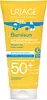
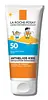
Uriage Bariésun Moisturizing Kid Lotion SPF 50+ Versus La Roche-Posay Anthelios Kids Gentle Lotion Sunscreen SPF 50
This chemical sunscreen covers the full UV range and blocks ~98% of UVB at SPF 50.
This chemical sunscreen covers most of the UV range, lighter on the deep UVA that drives aging.

What's inside
What's inside
 Key Ingredients
Benefits
Concerns
Ingredients Side-by-side
Water
Skin ConditioningDiethylamino Hydroxybenzoyl Hexyl Benzoate
UV Filter
Ethylhexyl Methoxycinnamate
UV Absorber

Dicaprylyl Carbonate
EmollientEthylhexyl Triazone
UV Absorber
Isodecyl Neopentanoate
EmollientEthylhexyl Salicylate
UV Absorber
Bis-Ethylhexyloxyphenol Methoxyphenyl Triazine
UV Absorber
Nylon-12

Glycerin
Humectant


Triacontanyl Pvp
HumectantC20-22 Alkyl Phosphate
EmulsifyingC20-22 Alcohols
Emulsion Stabilising
Dimethicone
Emollient
Butylene Glycol
Humectant
Phenoxyethanol
Preservative
Decyl Glucoside
Cleansing
Glucose
Humectant
Xanthan Gum
EmulsifyingChlorphenesin
Antimicrobial
Hydrogenated Polydecene
EmollientO-Cymen-5-Ol
Antimicrobial
Tocopheryl Acetate
Antioxidant


Sodium Hydroxide
BufferingTrehalose
Humectant
Propylene Glycol
Humectant

Ascorbyl Tetraisopalmitate
Antioxidant


BHT
Antioxidant
CI 75470
Cosmetic ColorantCitric Acid
Buffering
Tocopherol
Antioxidant
Sodium Citrate
BufferingPolyquaternium-51
Skin Conditioning
Water, Diethylamino Hydroxybenzoyl Hexyl Benzoate, Ethylhexyl Methoxycinnamate, Dicaprylyl Carbonate, Ethylhexyl Triazone, Isodecyl Neopentanoate, Ethylhexyl Salicylate, Bis-Ethylhexyloxyphenol Methoxyphenyl Triazine, Nylon-12, Glycerin, Triacontanyl Pvp, C20-22 Alkyl Phosphate, C20-22 Alcohols, Dimethicone, Butylene Glycol, Phenoxyethanol, Decyl Glucoside, Glucose, Xanthan Gum, Chlorphenesin, Hydrogenated Polydecene, O-Cymen-5-Ol, Tocopheryl Acetate, Sodium Hydroxide, Trehalose, Propylene Glycol, Ascorbyl Tetraisopalmitate, BHT, CI 75470, Citric Acid, Tocopherol, Sodium Citrate, Polyquaternium-51
Butyl Methoxydibenzoylmethane 3%
UV Absorber
Homosalate 13%
Skin Conditioning
Ethylhexyl Salicylate 5%
UV Absorber
Octocrylene 10%
UV Absorber
Water
Skin ConditioningDimethicone
Emollient
Glycerin
Humectant
Styrene/Acrylates Copolymer
Poly C10-30 Alkyl Acrylate
Emulsion StabilisingPolymethylsilsesquioxane
Acrylates/Dimethicone Copolymer
Skin Conditioning
Niacinamide
Smoothing




Silica
Abrasive
Caprylyl Methicone
Skin Conditioning
Acrylates/C10-30 Alkyl Acrylate Crosspolymer
Emulsion StabilisingCaprylic/Capric Triglyceride
Masking
Caprylyl Glycol
Emollient
Chlorphenesin
Antimicrobial
Diethylhexyl Syringylidenemalonate
Skin Protecting
Glyceryl Stearate
Emollient
Inulin Lauryl Carbamate
Emulsion StabilisingP-Anisic Acid
MaskingPanthenol
Skin Conditioning
PEG-100 Stearate
Surfactant
PEG-8 Laurate
Emulsifying
Phenoxyethanol
Preservative
Potassium Cetyl Phosphate
EmulsifyingSodium Dodecylbenzenesulfonate
CleansingSodium Hyaluronate
Humectant
Tocopherol
Antioxidant
Triethanolamine
BufferingTrisodium Ethylenediamine Disuccinate
ChelatingXanthan Gum
EmulsifyingButyl Methoxydibenzoylmethane 3%, Homosalate 13%, Ethylhexyl Salicylate 5%, Octocrylene 10%, Water, Dimethicone, Glycerin, Styrene/Acrylates Copolymer, Poly C10-30 Alkyl Acrylate, Polymethylsilsesquioxane, Acrylates/Dimethicone Copolymer, Niacinamide, Silica, Caprylyl Methicone, Acrylates/C10-30 Alkyl Acrylate Crosspolymer, Caprylic/Capric Triglyceride, Caprylyl Glycol, Chlorphenesin, Diethylhexyl Syringylidenemalonate, Glyceryl Stearate, Inulin Lauryl Carbamate, P-Anisic Acid, Panthenol, PEG-100 Stearate, PEG-8 Laurate, Phenoxyethanol, Potassium Cetyl Phosphate, Sodium Dodecylbenzenesulfonate, Sodium Hyaluronate, Tocopherol, Triethanolamine, Trisodium Ethylenediamine Disuccinate, Xanthan Gum
Reviews
Ingredients Explained
These ingredients are found in both products.
Ingredients higher up in an ingredient list are typically present in a larger amount.
Chlorphenesin is a synthetic preservative. It helps protect a product against bacteria in order to extend shelf life. In most cases, Chlorphenesin is paired with other preservatives such as phenoxyethanol and caprylyl glycol.
Chlorphenesin is a biocide. This means it is able to help fight the microorganisms on our skin. It is also able to fight odor-releasing bacteria.
Chlorphenesin is soluble in both water and glycerin.
Studies show Chlorphenesin is easily absorbed by our skin. You should speak with a skincare professional if you have concerns about using Chlorphenesin.
Learn more about ChlorphenesinDimethicone is a type of synthetic silicone created from natural materials such as quartz. It is also known as polydimethylsiloxane.
What it does:
Dimethicone comes in different viscosities:
Depending on the viscosity, dimethicone has different properties.
Ingredients lists don't always show which type is used, so we recommend reaching out to the brand if you have questions about the viscosity.
This ingredient is unlikely to cause irritation because it does not get absorbed into skin. However, people with silicone allergies should be careful about using this ingredient.
Note: Dimethicone may contribute to pilling. This is because it is not oil or water soluble, so pilling may occur when layered with products. When mixed with heavy oils in a formula, the outcome is also quite greasy.
Learn more about DimethiconeEthylhexyl Salicylate (also called Octisalate or Octyl Salicylate) is an oil-soluble organic UV filter that's been used in sunscreen since the 1950's.
It absorbs UVB light in the 280-320 nm range with a peak absorbance around 306 nm.
You'll often see it paired with other UV filters to boost overall SPF because octisalate is a fairly week filter on its own.
The reason you'll see it so often is because it can help solubilize and stabilize the trickier filters like oxybenzone and avobenzone.
Unlike these filters, octisalate has pretty good photostability and doesn't create skin-damaging free radicals when exposed to sunlight.
The fatty-alcohol part of the molecule also gives it a light, emollient feel so it doubles as a nice texture enhancer.
Usage levels vary around the world:
Safety-wise, this ingredient has a pretty reassuring track record. The EU's Scientific Committee on Consumer Products (SCCP) found very low skin penetration in human skin tests and negative results for irritation, phototoxicity, and photoallergy.
The real-world allergy risk is pretty low too; a 2012 European study of 1,031 people recorded only 2 reactions to it (a rate of 0.19%).
You might have seen scary headlines about sunscreen getting into your blood.
In 2019, the FDA found that several chemical filters can absorb through the skin and show up in the bloodstream at small but measurable levels.
Here's the important part: these tiny levels are just a cutoff the FDA uses to decide which ingredients need more testing and doesn't mean anything harmful was found.
The researchers were clear that the results are no reason to stop wearing sunscreen.
Learn more about Ethylhexyl SalicylateGlycerin (or glycerol) is a compound naturally found in your skin. It's a powerhouse humectant that pulls water into the stratum corneum.
Topically, glycerin does several things at once:
Your skin makes glycerin on its own (mostly from sebaceous oil breakdown) and shuttles it to your outermost layer of skin, or your epidermis, via aquaporin-3.
Aquaporin-3 is a transporter that is essential for normal skin hydration, elasticity, and repair. Interestingly, mice lacking in AQP3 have dry and less elastic skin that can be fully corrected with glycerin.
This ingredient is non-irritating, plays well with almost every ingredient, and works across all skin types. Typical use is anywhere between 3-10% but can go up to 79% in some leave-on products.
Just know very high concentrations (>40%) can feel tacky in low humidity.
Glycerin is the name for this ingredient in American English. British English uses Glycerol/Glycerine.
Learn more about GlycerinPhenoxyethanol is one of the most widely used preservatives in skincare (and for good reason!).
It has a large spectrum of antimicrobial activity and especially effective bacteria, yeast, and mold while only having a weak effect on your skin's natural microbiome.
On a cellular level, it disrupts the cell membranes of microbes by poking holes that make the cell leak. This shuts down the chemical reactions the microbe needs to make energy so it can no longer survive.
Another perk of this ingredient is that it stays functional across a wide pH range (3-10).
You'll often see it paired with boosters like Ethylhexylglycerin; one study showed that a 1:9 ratio of Ethylhexylglycerin to Phenoxyethanol damages bacterial membranes as effectively as doubling the Phenoxyethanol concentration on its own.
Typical use concentrations range from 0.3-1% depending on the formula, and this ingredient is capped at 1% int the EU.
Safety-wise, the fear mongering does not hold up to the evidence. The EU's Scientific Committee on Consumer Safety and FDA consider it safe as a preservative at up to 1%, including for children of all ages.
Adverse systemic effects only showed up in animal studies at exposures roughly 200x higher than what people get from cosmetics. And despite its very widespread use, this ingredient is a rare sensitizer and allergic reactions are uncommon.
Learn more about PhenoxyethanolTocopherol is a fat-soluble antioxidant known as Vitamin E.
You'll find this ingredient in the vast majority of skincare (for good reason). It works to neutralize free radicals, or unstable molecules generated by UV exposure, pollution, and other environmental stressors, before they can cause oxidative damage to your skin cells.
Topically applied tocopherol has been shown to protect against UV damage by ramping up the skin's own natural defense enzymes.
It also acts as a skin conditioning agent; some studies show that regular topical use can improve the skin's water-binding capacity over 2-4 weeks.
This ingredient is especially loved for being a team player. When combined with Vitamin C, the photoprotective effect of both ingredients roughly doubles and the combo also helps reduce UV-induced DNA damage.
This ingredient has some brightening potential but it's more of a prevention ingredient than spot-fader. Cell studies show it can slow down melanin production but it's worth noting that it's not the most powerful brightener out there.
In formulations, it also serves as a stabilizer that helps protect other oxidation-prone ingredients from degrading.
Concentrations usually range from 0.1-1% in most leave-on products.
Learn more about TocopherolWater. It's the most common cosmetic ingredient of all. You'll usually see it at the top of ingredient lists, meaning that it makes up the largest part of the product.
So why is it so popular? Water most often acts as a solvent - this means that it helps dissolve other ingredients into the formulation.
You'll also recognize water as that liquid we all need to stay alive. If you see this, drink a glass of water. Remember to stay hydrated!
Learn more about WaterXanthan gum is used as a stabilizer and thickener within cosmetic products. It helps give products a sticky, thick feeling - preventing them from being too runny.
On the technical side of things, xanthan gum is a polysaccharide - a combination consisting of multiple sugar molecules bonded together.
Xanthan gum is a pretty common and great ingredient. It is a natural, non-toxic, non-irritating ingredient that is also commonly used in food products.
Learn more about Xanthan Gum

