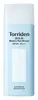
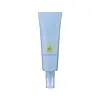
Torriden Dive In Watery Fit Sun Serum SPF 50+ Versus Laneige Water Bank UV Barrier Sunscreen SPF 50+
This chemical sunscreen covers the full UV range and blocks ~98% of UVB at SPF 50.
This chemical sunscreen covers the full UV range and blocks ~98% of UVB at SPF 50.

What's inside
What's inside
 Key Ingredients
Benefits
Concerns
Ingredients Side-by-side
Water
Skin ConditioningPropanediol
Solvent

Dibutyl Adipate
EmollientPolymethylsilsesquioxane

Butyloctyl Salicylate
Skin Conditioning

Ethylhexyl Triazone
UV Absorber
Niacinamide
Smoothing










Drometrizole Trisiloxane
UV Absorber
Isononyl Isononanoate
EmollientPolyglyceryl-3 Methylglucose Distearate
Emulsifying

Terephthalylidene Dicamphor Sulfonic Acid
UV Absorber
Diethylamino Hydroxybenzoyl Hexyl Benzoate
UV Filter
1,2-Hexanediol
Skin Conditioning
Tromethamine
BufferingPentylene Glycol
Skin Conditioning
Caprylyl Methicone
Skin Conditioning
Sodium Hyaluronate
Humectant
Hyaluronic Acid
Humectant
Hydrolyzed Sodium Hyaluronate
Skin Conditioning
Hydrolyzed Hyaluronic Acid
Humectant
Sodium Acetylated Hyaluronate
Humectant
Sodium Hyaluronate Crosspolymer
Humectant
Potassium Hyaluronate
Skin ConditioningDimethylsilanol Hyaluronate
Humectant
Hydroxypropyltrimonium Hyaluronate
Sodium Hyaluronate Dimethylsilanol
HumectantPanthenol
Skin Conditioning
Allantoin
Skin Conditioning
Adenosine
Skin Conditioning
Butylene Glycol
Humectant
Ethylhexylglycerin
Skin ConditioningSodium Stearoyl Glutamate
CleansingBis-Ethylhexyloxyphenol Methoxyphenyl Triazine
UV Absorber
Methylpropanediol
SolventTrisodium Ethylenediamine Disuccinate
Sodium Polyacryloyldimethyl Taurate
Emulsion StabilisingVp/Eicosene Copolymer
Polyacrylate Crosspolymer-6
Emulsion StabilisingInulin Lauryl Carbamate
Emulsion StabilisingPolyether-1
Arginine
Masking
Cetearyl Alcohol
Emollient




Glycerin
Humectant
Tocopherol
Antioxidant

Biosaccharide Gum-1
Humectant
Malachite Extract
Antioxidant
Water, Propanediol, Dibutyl Adipate, Polymethylsilsesquioxane, Butyloctyl Salicylate, Ethylhexyl Triazone, Niacinamide, Drometrizole Trisiloxane, Isononyl Isononanoate, Polyglyceryl-3 Methylglucose Distearate, Terephthalylidene Dicamphor Sulfonic Acid, Diethylamino Hydroxybenzoyl Hexyl Benzoate, 1,2-Hexanediol, Tromethamine, Pentylene Glycol, Caprylyl Methicone, Sodium Hyaluronate, Hyaluronic Acid, Hydrolyzed Sodium Hyaluronate, Hydrolyzed Hyaluronic Acid, Sodium Acetylated Hyaluronate, Sodium Hyaluronate Crosspolymer, Potassium Hyaluronate, Dimethylsilanol Hyaluronate, Hydroxypropyltrimonium Hyaluronate, Sodium Hyaluronate Dimethylsilanol, Panthenol, Allantoin, Adenosine, Butylene Glycol, Ethylhexylglycerin, Sodium Stearoyl Glutamate, Bis-Ethylhexyloxyphenol Methoxyphenyl Triazine, Methylpropanediol, Trisodium Ethylenediamine Disuccinate, Sodium Polyacryloyldimethyl Taurate, Vp/Eicosene Copolymer, Polyacrylate Crosspolymer-6, Inulin Lauryl Carbamate, Polyether-1, Arginine, Cetearyl Alcohol, Glycerin, Tocopherol, Biosaccharide Gum-1, Malachite Extract
Water
Skin ConditioningDiethylhexyl Succinate
EmollientPropanediol
Solvent
Drometrizole Trisiloxane
UV Absorber
Ethylhexyl Triazone
UV Absorber
Diethylamino Hydroxybenzoyl Hexyl Benzoate
UV Filter
Terephthalylidene Dicamphor Sulfonic Acid
UV Absorber
1,2-Hexanediol
Skin Conditioning
Behenyl Alcohol
Emollient
Methyl Trimethicone
Skin Conditioning
Tromethamine
BufferingSodium Polyacryloyldimethyl Taurate
Emulsion StabilisingButylene Glycol
Humectant
Polyacrylate Crosspolymer-6
Emulsion StabilisingC20-24 Alkyl Dimethicone
Skin Conditioning
Arachidyl Alcohol
Emollient
Caprylyl Glycol
Emollient
Sodium Methyl Stearoyl Taurate
CleansingEthylhexylglycerin
Skin ConditioningArachidyl Glucoside
EmulsifyingParfum
Masking


Allantoin
Skin Conditioning
Hydrolyzed Hyaluronic Acid
Humectant
Sodium Metaphosphate
BufferingBisabolol
Antioxidant
Rubus Fruticosus Fruit Extract
AstringentFragaria Vesca Leaf Extract
AstringentTocopherol
Antioxidant
Sodium Hyaluronate
Humectant
Sodium Hyaluronate Crosspolymer
Humectant
Hyaluronic Acid
Humectant
Sodium Acetylated Hyaluronate
Humectant
Water, Diethylhexyl Succinate, Propanediol, Drometrizole Trisiloxane, Ethylhexyl Triazone, Diethylamino Hydroxybenzoyl Hexyl Benzoate, Terephthalylidene Dicamphor Sulfonic Acid, 1,2-Hexanediol, Behenyl Alcohol, Methyl Trimethicone, Tromethamine, Sodium Polyacryloyldimethyl Taurate, Butylene Glycol, Polyacrylate Crosspolymer-6, C20-24 Alkyl Dimethicone, Arachidyl Alcohol, Caprylyl Glycol, Sodium Methyl Stearoyl Taurate, Ethylhexylglycerin, Arachidyl Glucoside, Parfum, Allantoin, Hydrolyzed Hyaluronic Acid, Sodium Metaphosphate, Bisabolol, Rubus Fruticosus Fruit Extract, Fragaria Vesca Leaf Extract, Tocopherol, Sodium Hyaluronate, Sodium Hyaluronate Crosspolymer, Hyaluronic Acid, Sodium Acetylated Hyaluronate
Reviews
Ingredients Explained
These ingredients are found in both products.
Ingredients higher up in an ingredient list are typically present in a larger amount.
1,2-Hexanediol is a synthetic liquid and another multi-functional powerhouse.
It is a:
- Humectant, drawing moisture into the skin
- Emollient, helping to soften skin
- Solvent, dispersing and stabilizing formulas
- Preservative booster, enhancing the antimicrobial activity of other preservatives
Allantoin is a soothing ingredient known for its protective and moisturizing properties; it's basically a quiet workhorse ingredient you can find in a huge range of cosmetics.
Though it can be derived from the comfrey plant, allantoin is produced synthetically for cosmetic products to ensure purity.
Research shows it can encourage your skin cells to turn over and renew by stimulating keratinocyte and fibroblast proliferation.
It also has mild keratolytic properties to help loosen and shed dead skin cells without being harsh.
Studies also suggest allantoin can help calm inflammation by dialing down some of the chemical signals your skin sends out when it is irritated.
This ingredient is typically used in the 0.1-0.5% range, and the FDA recognizes it as a skin protectant in OTC products up to 2%.
Overall, allantoin is a wonderful addition to most routines; it is stable across a wide pH range (~4-8), works well with other ingredients, and is considered non-sensitizing/non-irritating.
Fun fact: Allantoin is naturally occurring in comfrey root, beets, chamomile, and wheat sprouts. Our bodies even produce it as a byproduct of uric acid metabolism.
Learn more about AllantoinButylene Glycol (or BG) is used within cosmetic products for a few different reasons:
Overall, Butylene Glycol is a safe and well-rounded ingredient that works well with other ingredients.
Though this ingredient works well with most skin types, some people with sensitive skin may experience a reaction such as allergic rashes, closed comedones, or itchiness.
Learn more about Butylene GlycolDiethylamino Hydroxybenzoyl Hexyl Benzoate (DHHB) is a chemical UV-A absorber. It is formulated for high UVA protection (320-400 nm).
DHHB is well-liked for:
DHHB has been approved by the EU, Japan, Taiwan, and South America for use up to 10%. Unfortunately, it has not been approved for use in the US or Canada due to slow regulatory processes.
This ingredient is soluble in oils, fats, and lipids.
Learn more about Diethylamino Hydroxybenzoyl Hexyl BenzoateDrometrizole Trisiloxane is an oil-soluble organic UV filter that L'oreal patented back in 1989.
Its offers broad-spectrum protection against UVB and UVA with two peaks: 303nm in the UVB range and 344 nm in the UVA range.
The standout trait is photostability. Unlike other UV filters, this one doesn't break down when exposed to sunlight.
You'll likely see it paired with Mexoryl SX (Ecamsule) because the two filters show a synergistic effect where the combined protection is greater than the sum of the individual filters.
Because it is oil soluble, it's great for water-resistant/sport/beach sunscreens.
Concentration-wise, the EU permits up to 15% but formulas use it well below that ceiling and almost never as a solo active.
It has a pretty solid safety record: allergic reactions are considered rare, its large molecule size means little to no absorption through skin, and toxicology reviews found no significant toxicity.
Just so you know, there were a handful of isolated allergic contact dermatitis case reports (which is true of every UV filter), but most people will not react to it.
This ingredient is available in the EU, Canada, Australia, and Japan, but not the US. This is just because the manufacturer hasn't pushed the data through the FDA's OTC ingredient pathway.
Learn more about Drometrizole TrisiloxaneEthylhexyl Triazone (aka Octyl Triazone) is an oil-soluble organic UVB filter. It has peak absorption around 314 nm, right in the middle of the UVB range.
This ingredient is described as one of the most effective UVB filters available and small concentrations are enough to deliver a high SPF thanks to its strong UV absorbing power.
Formulators love it for its stability; its ability to filter UV stays practically unchanged even under intense radiation and it can also help boost the photostability of less stable filters like avobenzone.
It's also a great pick for water resistant products because it's insoluble in water and has a good affinity for keratin.
Because it's a big, heavy molecule, the European Scientific Committee has found to to have very low dermal penetration and negative results for allergenicity.
In vitro testing also showed a low absorption rate and clean results on irritation.
Typical use levels are 1-5% with 5% being the maximum in the EU, Japan, and other markets that allow it. However, this ingredient is not approved yet in the US or Canada.
Learn more about Ethylhexyl TriazoneEthylhexylglycerin is created from glycerin. It is a multitasker ingredient that:
The CIR Expert Panel found minimal skin absorption or sensitization of any kind in a safety assessment. Though this ingredient is considered well-tolerated, a small number of cases of allergic dermatitis have been published since 2002. Just be sure to patch test if you are unsure.
Industry-reported use ranges from 8% in rinse-off products and 2% in leave-on formulations.
Learn more about EthylhexylglycerinHyaluronic acid (HA) is a glycosaminoglycan (basically a long sugar chain) that your skin already makes on its own. In your skin, HA lives in the extracellular matrix and acts as the body's moisture reservoir.
Topically, HA is a humectant that binds water and helps skin look more plump, smooth, and hydrated.
The only catch is that HA isn't a single thing; it actually comes in a wide range of molecular weights (~50 - 2,000+ kDA) and size matters.
Some clinical evidence links low molecular weight versions to improved wrinkle depth, elasticity, anti-inflammatory effects, and barrier repair.
This is why the best HA serums blend the two sizes together so you get the best of both worlds.
The majority of cosmetic HA is produced by bacterial fermentation, typically using Streptococcus or Bacillus strains. Typical use levels in skincare sit around 0.1-2%.
A clinical study using a 0.2% low-molecular weight HA gel showed improvement in facial seborrheic dermatitis with excellent tolerance.
These are some other common types of Hyaluronic Acid:
Learn more about Hyaluronic AcidHydrolyzed Hyaluronic Acid is hyaluronic acid (HA) that is broken down into lower molecular weight fragments.
It's a humectant that pulls and holds water in the skin to help with hydration, plumpness, and reduce transepidermal water loss.
Because hydrolyzed hyaluronic acid is smaller in size, it can slip past your outermost layer of skin more easily than full-sized HA.
Most formulations will combine all sizes to get the best of both worlds.
Typical usage levels range from 0.01-1%. Any percentage higher than 2% might become goopy and tacky.
Learn more about Hydrolyzed Hyaluronic AcidPolyacrylate Crosspolymer-6 is a texture enhancer and pH adjuster.
It is be used to thicken water-based products and create a gel-texture with a velvet feel.
One manufacturer claims this ingredient to have a pH range of 2-8 and to be biodegradable.
This ingredient is also known as Sepimax Zen.
Learn more about Polyacrylate Crosspolymer-6Propanediol is an all-star ingredient. It softens, hydrates, and smooths the skin.
It’s often used to:
Propanediol is not likely to cause sensitivity and considered safe to use. It is derived from corn or petroleum with a clear color and no scent.
Learn more about PropanediolSodium Acetylated Hyaluronate is a type of Hyaluronic Acid.
Hyaluronic Acids help moisturize, soothe, and protect the skin.
Read about common types of Hyaluronic Acid here:
Learn more about Sodium Acetylated HyaluronateSodium Hyaluronate is the salt form of hyaluronic acid. It is a long sugar chain that is naturally found in your skin, joints, and connective tissue that maintains hydration and elasticity.
In skincare, it works as a humectant. It pulls water from the environment and deeper layers of skin and binds it to the surface.
Interestingly, the size of the molecule affects its behavior:
Some clinical evidence links low molecular weight versions to improved wrinkle depth, elasticity, anti-inflammatory effects, and barrier repair.
Many serums use a blend of both weights so you can get surface hydration plus longer-lasting and deeper effects.
You'll typically see concentrations between 0.1-2% for this ingredient.
Learn more about Sodium HyaluronateSodium Hyaluronate Crosspolymer is a crosslinked version of sodium hyaluronate. This just means it's linked into a 3D mesh network that lets it be more stable and sit on skin as a cohesive, gel-like film rather than sinking into skin.
A 2016 human skin study found crosslinked HA increased epidermal water content by 7.6% over the control group and reduced transepidermal water loss by 27.8%.
A follow-up clinical trial found that a topical crosslinked HA serum applied after fillers, microneedling, or chemical peels was well-tolerated and enhanced skin quality at 14 / 28 days.
More recent research suggests that concentrations as low as 0.03% can act as a penetration enhancer for other skincare actives.
Learn more about Sodium Hyaluronate CrosspolymerThis is a lab-made ingredient that plays a huge role in improving the texture of a formula.
It's used to thicken watery gel-creams, prevent water + oil from separating, and give products a silky, non-greasy glide.
Safety-wise, a panel of independent toxicologists reviewed this ingredient and concluded it to be safe in cosmetics in the present practices of use and concentration.
A separate sensitization patch test on humans also showed no evidence of allergic reactivity, and a true allergy to this ingredient is considered rare.
Typical usage levels range from 0.015%-3% in leave-on products and 0.078%-3.2% in rinse-off products.
Learn more about Sodium Polyacryloyldimethyl TaurateTerephthalylidene Dicamphor Sulfonic Acid (aka ecamsule or Mexoryl SX) is a water-soluble organic UV filter developed and patented by L'Oreal back in 1982.
It's one of the better UVA protectors out there and shields skin across a broad UVA range (~290-390 nm) with peak absorption right around 345 nm.
This peak absorption happens to be the exact type of UVA light that sinks deepest into skin and does the most to cause aging and dark spots.
Ecamsule works by soaking up UV rays and turning them into a tiny bit of harmless heat. The molecule basically flips, releases that energy as heat, then snaps back to its original shape and does it all over again. This is also why it's so stable in sunlight and doesn't break down or wear out the way some filters do.
The clinical backing for this ingredient is solid as well:
A large 2008 review by Fourtanier & colleagues (2008) pulled together human trials showing ecamsule-containing sunscreens prevented UV-induced pigmentation, DNA damage, and signs of aging.
That built on earlier work by Seite et al. (1998) that found it protected skin from repeated low-level UVA exposure. And a controlled study by DeLeo et al. (2009) showed that even an SPF 40 cream with ecamsule helped prevent sun-triggered rash even under the real sun.
On concentrations:
Because this ingredient is an acid, it has to be neutralized so it doesn't tank the product's pH.
Safety-wise, it's pretty well tolerated. There are some rare cases of mild irritation mostly in people with sensitivities towards camphor derivatives.
A 2019 FDA study found that volunteers who slathered on sunscreen heavily for several days had tiny amounts of ecamsule show up in their blood. This was slightly above the level at which the FDA asks for extra safety testing; this just means the FDA wants more safety studies done and not evidence that anything harmful actually happens. No problems were found and dermatologists still recommend using sunscreen.
Learn more about Terephthalylidene Dicamphor Sulfonic AcidTocopherol is a fat-soluble antioxidant known as Vitamin E.
You'll find this ingredient in the vast majority of skincare (for good reason). It works to neutralize free radicals, or unstable molecules generated by UV exposure, pollution, and other environmental stressors, before they can cause oxidative damage to your skin cells.
Topically applied tocopherol has been shown to protect against UV damage by ramping up the skin's own natural defense enzymes.
It also acts as a skin conditioning agent; some studies show that regular topical use can improve the skin's water-binding capacity over 2-4 weeks.
This ingredient is especially loved for being a team player. When combined with Vitamin C, the photoprotective effect of both ingredients roughly doubles and the combo also helps reduce UV-induced DNA damage.
This ingredient has some brightening potential but it's more of a prevention ingredient than spot-fader. Cell studies show it can slow down melanin production but it's worth noting that it's not the most powerful brightener out there.
In formulations, it also serves as a stabilizer that helps protect other oxidation-prone ingredients from degrading.
Concentrations usually range from 0.1-1% in most leave-on products.
Learn more about TocopherolTromethamine (aka THAM) is a synthetic amino acid that shows up in skincare as a helper ingredient.
It functions as a pH adjuster to help neutralize acidic ingredients and set a formula's pH to the right spot.
This matters a lot because a lot of actives (like vitamin C) needs a specific pH to work well and feel comfortable on skin.
Concentration use ranges from 0.1-1.0% depending on the formula.
Learn more about TromethamineWater. It's the most common cosmetic ingredient of all. You'll usually see it at the top of ingredient lists, meaning that it makes up the largest part of the product.
So why is it so popular? Water most often acts as a solvent - this means that it helps dissolve other ingredients into the formulation.
You'll also recognize water as that liquid we all need to stay alive. If you see this, drink a glass of water. Remember to stay hydrated!
Learn more about Water

