Torriden Dive-In Low-Molecular Hyaluronic Acid Serum Versus Bring Green Zinc Teca 1.2% Blemish Serum
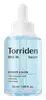
This hydrating serum is formulated around Panthenol and Hydrolyzed Hyaluronic Acid to hydrate skin and strengthen the skin barrier.
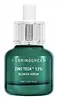
This acne serum is formulated around Niacinamide and Centella Asiatica Extract to clear breakouts and calm redness.

What's inside
What's inside
 Key Ingredients
Benefits
Concerns
Ingredients Side-by-side
Water
Skin ConditioningButylene Glycol
Humectant

Glycerin
Humectant
Dipropylene Glycol
Humectant1,2-Hexanediol
Skin Conditioning
Panthenol
Skin Conditioning

Sodium Hyaluronate Crosspolymer
Humectant
Hydrolyzed Hyaluronic Acid
Humectant
Sodium Hyaluronate
Humectant
Sodium Acetylated Hyaluronate
Humectant
Hydrolyzed Sodium Hyaluronate
Skin Conditioning
Allantoin
Skin Conditioning
Ectoin
Skin Conditioning
Glycyrrhiza Glabra Root Extract
Bleaching

2,3-Butanediol
HumectantTrehalose
Humectant
Betaine
Humectant
Propanediol
Solvent
Portulaca Oleracea Extract
Skin Conditioning
Hamamelis Virginiana Leaf Extract
Skin Conditioning

Madecassoside
Antioxidant

Madecassic Acid
Skin Conditioning
Ceramide NP
Skin Conditioning
Beta-Glucan
Skin Conditioning
Malachite Extract
Antioxidant
Cholesterol
Emollient
Pentylene Glycol
Skin Conditioning
Glyceryl Acrylate/Acrylic Acid Copolymer
HumectantPvm/Ma Copolymer
Emulsion StabilisingPolyglyceryl-10 Laurate
Skin Conditioning

Xanthan Gum
EmulsifyingTromethamine
BufferingCarbomer
Emulsion StabilisingEthylhexylglycerin
Skin ConditioningScutellaria Baicalensis Root Extract
Astringent
Paeonia Suffruticosa Root Extract
Skin ProtectingWater, Butylene Glycol, Glycerin, Dipropylene Glycol, 1,2-Hexanediol, Panthenol, Sodium Hyaluronate Crosspolymer, Hydrolyzed Hyaluronic Acid, Sodium Hyaluronate, Sodium Acetylated Hyaluronate, Hydrolyzed Sodium Hyaluronate, Allantoin, Ectoin, Glycyrrhiza Glabra Root Extract, 2,3-Butanediol, Trehalose, Betaine, Propanediol, Portulaca Oleracea Extract, Hamamelis Virginiana Leaf Extract, Madecassoside, Madecassic Acid, Ceramide NP, Beta-Glucan, Malachite Extract, Cholesterol, Pentylene Glycol, Glyceryl Acrylate/Acrylic Acid Copolymer, Pvm/Ma Copolymer, Polyglyceryl-10 Laurate, Xanthan Gum, Tromethamine, Carbomer, Ethylhexylglycerin, Scutellaria Baicalensis Root Extract, Paeonia Suffruticosa Root Extract
Water
Skin ConditioningEthoxydiglycol
HumectantMethylpropanediol
SolventMethyl Gluceth-20
Humectant
1,2-Hexanediol
Skin Conditioning
Niacinamide
Smoothing



Centella Asiatica Extract
Cleansing
Melaleuca Alternifolia Leaf Extract
Perfuming
Melaleuca Alternifolia Flower/Leaf/Stem Extract
Skin ConditioningCorchorus Olitorius Leaf Extract
Skin ConditioningAngelica Keiskei Extract
Antioxidant
Nelumbo Nucifera Root Extract
Skin ConditioningHibiscus Esculentus Fruit Extract
Skin ConditioningDioscorea Japonica Root Extract
Skin Conditioning
Hydrogenated Lecithin
Emulsifying
Melaleuca Alternifolia Leaf Water
Antimicrobial
Melaleuca Alternifolia Leaf Oil
Antioxidant


Octyldodecanol
Emollient
Octyldodeceth-16
EmulsifyingAsiaticoside
Antioxidant
Madecassic Acid
Skin Conditioning
Glycolipids
Skin ConditioningAsiatic Acid
Skin Conditioning
C12-13 Alketh-9
EmulsifyingCarbomer
Emulsion StabilisingTromethamine
BufferingPvp
Emulsion StabilisingSodium Polyacrylate
Absorbent
Disodium EDTA
Chelating4-Terpineol
Masking
Zinc PCA
Humectant
Ethylhexylglycerin
Skin ConditioningWater, Ethoxydiglycol, Methylpropanediol, Methyl Gluceth-20, 1,2-Hexanediol, Niacinamide, Centella Asiatica Extract, Melaleuca Alternifolia Leaf Extract, Melaleuca Alternifolia Flower/Leaf/Stem Extract, Corchorus Olitorius Leaf Extract, Angelica Keiskei Extract, Nelumbo Nucifera Root Extract, Hibiscus Esculentus Fruit Extract, Dioscorea Japonica Root Extract, Hydrogenated Lecithin, Melaleuca Alternifolia Leaf Water, Melaleuca Alternifolia Leaf Oil, Octyldodecanol, Octyldodeceth-16, Asiaticoside, Madecassic Acid, Glycolipids, Asiatic Acid, C12-13 Alketh-9, Carbomer, Tromethamine, Pvp, Sodium Polyacrylate, Disodium EDTA, 4-Terpineol, Zinc PCA, Ethylhexylglycerin
Reviews
Ingredients Explained
These ingredients are found in both products.
Ingredients higher up in an ingredient list are typically present in a larger amount.
1,2-Hexanediol is a synthetic liquid and another multi-functional powerhouse.
It is a:
- Humectant, drawing moisture into the skin
- Emollient, helping to soften skin
- Solvent, dispersing and stabilizing formulas
- Preservative booster, enhancing the antimicrobial activity of other preservatives
Carbomer is a synthetic thickening and gelling agent. It's basically the ingredient that gives a lot of serums, gels, creams, and sunscreens their smooth, non-sticky texture.
Although legally permitted at very high levels, carbomers are normally used at concentrations below 1%.
It also needs to be neutralized to actually thicken, and because it is a large molecule, it doesn't really penetrate the skin barrier.
Allergy-wise, the risk is very low. Clinical studies show carbomers have low potential for skin irritation/sensitization even at concentrations up to 100%.
A 2024 UK study patch-tested 1,302 patients and found true allergy to the parent group of carbomer to be rare with no confirmed relevant reactions.
Learn more about CarbomerEthylhexylglycerin is created from glycerin. It is a multitasker ingredient that:
The CIR Expert Panel found minimal skin absorption or sensitization of any kind in a safety assessment. Though this ingredient is considered well-tolerated, a small number of cases of allergic dermatitis have been published since 2002. Just be sure to patch test if you are unsure.
Industry-reported use ranges from 8% in rinse-off products and 2% in leave-on formulations.
Learn more about EthylhexylglycerinMadecassic Acid is one of the four star actives in Centella Asiatica. In skincare, it earns its keep as a calming and repairing ingredient.
It works through the same core pathways as the rest of the centella family.
First, it turns down inflammation so it helps with things like redness and general upset skin.
Second, it acts as an antioxidant which means it helps protect skin from daily stress and damage.
And third, it nudges the skin to make more collagen and rebuild its support structure.
That combination is why the whole Centella family is known for calming skin, strengthening the barrier, fading redness, and giving anti-aging benefits.
It's worth being honest about the evidence here; a lot of the strongest data is on the full extract or a Madecassoside/Asiaticoside rather than Madecassic Acid alone. Reviewers also note more long-term clinical trials are needed to confirm the full potential.
Concentration-wise, this ingredient is rarely used pure and usually shows up as part of a standardized centella extract where reported content ranges from 0.02-3.06%.
Finished products typically run somewhere in the 0.1-10% range depending on the format.
In real-world tolerance tests, a repeat-insult patch test on an eye lotion with 0.2% Centella extract showed no irritation or allergic contact dermatitis in 54 subjects. And a mascara with 0.5% Madecassoside caused neither irritation nor sensitization in 109 subjects.
Allergy risk is very low, but not zero. Centella and its constituents are classified as weak contact sensitizers and some rare cases of allergic contact dermatitis exist.
Learn more about Madecassic AcidTromethamine (aka THAM) is a synthetic amino acid that shows up in skincare as a helper ingredient.
It functions as a pH adjuster to help neutralize acidic ingredients and set a formula's pH to the right spot.
This matters a lot because a lot of actives (like vitamin C) needs a specific pH to work well and feel comfortable on skin.
Concentration use ranges from 0.1-1.0% depending on the formula.
Learn more about TromethamineWater. It's the most common cosmetic ingredient of all. You'll usually see it at the top of ingredient lists, meaning that it makes up the largest part of the product.
So why is it so popular? Water most often acts as a solvent - this means that it helps dissolve other ingredients into the formulation.
You'll also recognize water as that liquid we all need to stay alive. If you see this, drink a glass of water. Remember to stay hydrated!
Learn more about Water

