Time Phoria Timeless Lumina Matte Perfection Cushion Versus Skintific Cover All Perfect Cushion SPF 35


What's inside
What's inside
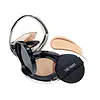 Key Ingredients
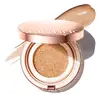
No key ingredients
Benefits
Concerns
Ingredients Side-by-side
Water
Skin ConditioningCyclopentasiloxane
Emollient
CI 77891
Cosmetic ColorantTrimethylsiloxysilicate
Emollient
Butylene Glycol
Humectant

Cyclohexasiloxane
Emollient
CI 77492
Cosmetic ColorantPolyglyceryl-3 Diisostearate
Emulsifying




Synthetic Fluorphlogopite
PEG-10 Dimethicone
Skin Conditioning
Isododecane
EmollientDisteardimonium Hectorite
StabilisingPEG/PPG-18/18 Dimethicone
Emulsifying
Triethoxycaprylylsilane
Polymethylsilsesquioxane
CI 77491
Cosmetic ColorantBetaine
Humectant
Propylene Carbonate
SolventCaprylyl Glycol
Emollient
CI 77499
Cosmetic ColorantMagnesium Sulfate
Tribehenin
Emollient
Phenoxyethanol
Preservative
Aluminum Hydroxide
EmollientWater, Cyclopentasiloxane, CI 77891, Trimethylsiloxysilicate, Butylene Glycol, Cyclohexasiloxane, CI 77492, Polyglyceryl-3 Diisostearate, Synthetic Fluorphlogopite, PEG-10 Dimethicone, Isododecane, Disteardimonium Hectorite, PEG/PPG-18/18 Dimethicone, Triethoxycaprylylsilane, Polymethylsilsesquioxane, CI 77491, Betaine, Propylene Carbonate, Caprylyl Glycol, CI 77499, Magnesium Sulfate, Tribehenin, Phenoxyethanol, Aluminum Hydroxide
Water
Skin ConditioningCI 77891
Cosmetic ColorantCyclopentasiloxane
Emollient
Trimethylsiloxysilicate
Emollient
Dimethicone
Emollient
Methyl Trimethicone
Skin Conditioning
Hexyldecyl Myristoyl Methylaminopropionate
EmollientButylene Glycol
Humectant
CI 77492
Cosmetic ColorantGlycerin
Humectant
Acrylates/Stearyl Acrylate/Dimethicone Methacrylate Copolymer
CI 77491
Cosmetic ColorantMagnesium Sulfate
Disteardimonium Hectorite
StabilisingAluminum Hydroxide
EmollientTriethoxycaprylylsilane
Synthetic Fluorphlogopite
1,2-Hexanediol
Skin Conditioning
CI 77499
Cosmetic ColorantCaprylyl Glycol
Emollient
Dimethicone Crosspolymer
Emulsion Stabilising
Glyceryl Caprylate
EmollientTrihydroxystearin
Skin Conditioning
Palmitic Acid
Emollient
Ethylhexylglycerin
Skin ConditioningSorbitan Sesquioleate
Emulsifying
Centella Asiatica Extract
Cleansing


Cholesterol
Emollient
Ceramide AP
Skin Conditioning
Ceramide NP
Skin Conditioning
Ceramide As
Skin Conditioning
Ceramide Ns
Skin Conditioning
Ceramide Ng
Skin Conditioning
Ceramide EOP
Skin Conditioning
Stearic Acid
Cleansing
Myristic Acid
Cleansing
Tocopherol
Antioxidant



Titanium Dioxide
Cosmetic Colorant

Zinc Oxide
Cosmetic Colorant
Homosalate
Skin Conditioning
Hydrolyzed Hyaluronic Acid
Humectant
Hydrogenated Lecithin
Emulsifying
Dipropylene Glycol
HumectantPentylene Glycol
Skin Conditioning
Glyceryl Stearate
Emollient
Sucrose Distearate
Emollient
Water, CI 77891, Cyclopentasiloxane, Trimethylsiloxysilicate, Dimethicone, Methyl Trimethicone, Hexyldecyl Myristoyl Methylaminopropionate, Butylene Glycol, CI 77492, Glycerin, Acrylates/Stearyl Acrylate/Dimethicone Methacrylate Copolymer, CI 77491, Magnesium Sulfate, Disteardimonium Hectorite, Aluminum Hydroxide, Triethoxycaprylylsilane, Synthetic Fluorphlogopite, 1,2-Hexanediol, CI 77499, Caprylyl Glycol, Dimethicone Crosspolymer, Glyceryl Caprylate, Trihydroxystearin, Palmitic Acid, Ethylhexylglycerin, Sorbitan Sesquioleate, Centella Asiatica Extract, Cholesterol, Ceramide AP, Ceramide NP, Ceramide As, Ceramide Ns, Ceramide Ng, Ceramide EOP, Stearic Acid, Myristic Acid, Tocopherol, Titanium Dioxide, Zinc Oxide, Homosalate, Hydrolyzed Hyaluronic Acid, Hydrogenated Lecithin, Dipropylene Glycol, Pentylene Glycol, Glyceryl Stearate, Sucrose Distearate
Reviews
Ingredients Explained
These ingredients are found in both products.
Ingredients higher up in an ingredient list are typically present in a larger amount.
Aluminum Hydroxide is a form of aluminum. It can be naturally found in nature as the mineral gibbsite. In cosmetics, Aluminum Hydroxide is used as a colorant, pH adjuster, and absorbent.
As a colorant, Aluminum Hydroxide may add opacity, or reduce the transparency. Aluminum hydroxide is contains both basic and acidic properties.
According to manufacturers, this ingredient is an emollient and humectant. This means it helps hydrate the skin.
In medicine, this ingredient is used to help relieve heartburn and help heal ulcers.
There is currently no credible scientific evidence linking aluminum hydroxide in cosmetics to increased cancer risk.
Major health organizations allow the use of aluminum hydroxide in personal care products and have not flagged it as a carcinogenic risk at typical usage levels.
Learn more about Aluminum HydroxideButylene Glycol (or BG) is used within cosmetic products for a few different reasons:
Overall, Butylene Glycol is a safe and well-rounded ingredient that works well with other ingredients.
Though this ingredient works well with most skin types, some people with sensitive skin may experience a reaction such as allergic rashes, closed comedones, or itchiness.
Learn more about Butylene GlycolCaprylyl Glycol is a humectant, skin conditioner, emollient, and preservative booster derived from either caprylic acid or synthetically created.
Typical use levels vary from 0.3-1% as a preservative booster and go up to 2% to condition skin.
Because it is not a free-fatty acid, this ingredient is fungal acne safe (there's nothing for Malassezia to feed on).
Learn more about Caprylyl GlycolCi 77491 is also hydrated iron III oxide. It's sole purpose is to give a red/pink hue to products.
Iron III oxides are classified as inorganic chemicals for coloring.
Synthetically created Ci 77491 is considered safer than those naturally found. This is because the synthetically created version may contain less impurities. Iron oxides are generally non-toxic and non-allergenic.
Learn more about CI 77491CI 77492 is also hydrated iron III oxide. It's sole purpose is to give a yellow hue to products.
Iron III oxides are classified as inorganic chemicals for coloring.
Synthetically created CI 77492 is considered safer than those naturally found. This is because the synthetically created version may contain less impurities. Iron oxides are generally non-toxic and non-allergenic.
Learn more about CI 77492Ci 77499 is also hydrated iron III oxide. It is created from mixing red and black iron oxides. This helps give shades of darkness to a product.
Iron III oxides are classified as inorganic chemicals for coloring.
Ci 77891 is a white pigment from Titanium dioxide. It is naturally found in minerals such as rutile and ilmenite.
It's main function is to add a white color to cosmetics. It can also be mixed with other colors to create different shades.
Ci 77891 is commonly found in sunscreens due to its ability to block UV rays.
Learn more about CI 77891Cyclopentasiloxane (D5) is a lightweight silicone that mostly acts as an emollient and solvent in cosmetics. Its the reason your products feel silky, fast-spreading, and non-greasy.
Since D5 is volatile, it does its thing and then evaporates off the skin quickly.
The safety profile of this ingredient is reassuring; the US CIR Expert Panel concluded D5 is safe as used in cosmetics and Health Canada concluded that D5 is not harmful to human health or the environment as currently used in cosmetics
There's a study that people mention about D5 in a rat study showing tumors. This study is related to long-term inhalation of high D5 levels.
Regulatory bodies have judged this study to be not applicable in topical skincare since skin absorption of D5 is very low and we're not really inhaling huge amounts of D5.
The only restriction for this ingredient is environmental. The European Chemicals Agency (ECHA) restricted D5 in wash-off cosmetics at or above 0.1% due to their persistence in water.
Learn more about CyclopentasiloxaneDisteardimonium Hectorite comes from the clay mineral named hectorite. It is used to add thickness to a product.
It can also help stabilize a product by helping to disperse other ingredients.
Hectorite is a rare, white clay mineral.
Learn more about Disteardimonium HectoriteMagnesium Sulfate is a salt. More specifically, it is an epsom salt, or the bath salt used to help relieve muscle aches.
Despite having ‘sulfate’ in the name, it isn’t a surfactant or cleansing agent like sodium lauryl sulfate. Unlike those sulfates, magnesium sulfate doesn’t have the same cleansing or foaming properties (it's simply a type of salt).
In cosmetics, Magnesium Sulfate is used to thicken a product or help dilute other solids. It is a non-reactive and non-irritating ingredient.
One study shows magnesium deficiency may lead to inflammation of the skin. Applying magnesium topically may help reduce inflammation.
You can find this ingredient in sea water or mineral deposits.
Learn more about Magnesium SulfateSynthetic Fluorphlogopite is the synthethic version of mica. It consists of fluorine, aluminum and silicate.
Synthetic Fluorphlogopite is used to add volume to products.
It is considered non-irritating on the skin.
Learn more about Synthetic FluorphlogopiteTriethoxycaprylylsilane is a silicon-based surface modifier that makes sunscreens feel silky and makeup stay put.
Its main job is to coat mineral particles like titanium dioxide, zinc oxide, and color pigments in a thin, oily layer so they spread smoothly, don't clump, and stick to skin better.
This ingredient is typically used at low levels (up to 2.5% in eyeshadow and 1% in lipstick).
Learn more about TriethoxycaprylylsilaneThis silicone is an emollient. Emollients create a thin film on the skin to prevent moisture from escaping.
It is not soluble in water and helps increase water-resistance in products.
According to a manufacturer, it can blend seamlessly with silicone oils, such as Cyclopentasiloxane.
Learn more about TrimethylsiloxysilicateWater. It's the most common cosmetic ingredient of all. You'll usually see it at the top of ingredient lists, meaning that it makes up the largest part of the product.
So why is it so popular? Water most often acts as a solvent - this means that it helps dissolve other ingredients into the formulation.
You'll also recognize water as that liquid we all need to stay alive. If you see this, drink a glass of water. Remember to stay hydrated!
Learn more about Water

