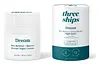
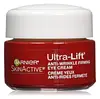
Three Ships Beauty Dream Bio-Retinol + Shorea Butter Night Cream Versus Garnier SkinActive Ultra-Lift Anti-Wrinkle Eye Cream with Pro-Retinol
This anti-aging moisturizer is formulated around Squalane to soften the look of wrinkles and hydrate skin.
This anti-aging eye moisturizer is formulated around Retinyl Linoleate and Ascorbyl Glucoside to soften the look of wrinkles and fade the look of dark spots.


What's inside
What's inside
 Key Ingredients
Benefits
Concerns
Ingredients Side-by-side
Water
Skin ConditioningGlycerin
Humectant


Shorea Stenoptera Seed Butter
Emollient

Squalane
Emollient
Olus Oil
Emollient


Cetearyl Alcohol
Emollient


Cetyl Lactate
EmollientPropanediol
Solvent
Glyceryl Stearate
Emollient
Dicaprylyl Ether
Emollient
Palmitic Acid
Emollient
Hydrogenated Lecithin
Emulsifying
C12-16 Alcohols
EmollientDiheptyl Succinate
EmollientCapryloyl Glycerin/Sebacic Acid Copolymer
Skin ConditioningSodium Citrate
BufferingXanthan Gum
EmulsifyingCaprylhydroxamic Acid
ChelatingGlyceryl Caprylate
EmollientHydroxyethyl Acrylate/Sodium Acryloyldimethyl Taurate Copolymer
Emulsion StabilisingAstrocaryum Murumuru Seed Butter
Emollient
Bidens Pilosa Extract
HumectantGossypium Herbaceum Seed Oil
Skin Conditioning
Linum Usitatissimum Seed Oil
Perfuming
Coco-Caprylate/Caprate
Emollient
Polyglyceryl-3 Dicitrate/Stearate
Emulsifying
Simmondsia Chinensis Seed Oil
Emollient
Tocopherol
Antioxidant




Helianthus Annuus Seed Extract
Skin Conditioning
Water, Glycerin, Shorea Stenoptera Seed Butter, Squalane, Olus Oil, Cetearyl Alcohol, Cetyl Lactate, Propanediol, Glyceryl Stearate, Dicaprylyl Ether, Palmitic Acid, Hydrogenated Lecithin, C12-16 Alcohols, Diheptyl Succinate, Capryloyl Glycerin/Sebacic Acid Copolymer, Sodium Citrate, Xanthan Gum, Caprylhydroxamic Acid, Glyceryl Caprylate, Hydroxyethyl Acrylate/Sodium Acryloyldimethyl Taurate Copolymer, Astrocaryum Murumuru Seed Butter, Bidens Pilosa Extract, Gossypium Herbaceum Seed Oil, Linum Usitatissimum Seed Oil, Coco-Caprylate/Caprate, Polyglyceryl-3 Dicitrate/Stearate, Simmondsia Chinensis Seed Oil, Tocopherol, Helianthus Annuus Seed Extract
Water
Skin ConditioningButylene Glycol
Humectant
Glycerin
Humectant
Dimethicone
Emollient
Isopropyl Palmitate
Emollient
Cetearyl Alcohol
Emollient
Isopropyl Lauroyl Sarcosinate
Skin ConditioningAlumina
Abrasive
Ammonium Polyacryloyldimethyl Taurate
Emulsion StabilisingAscorbyl Glucoside
Antioxidant
Butyrospermum Parkii Butter
Skin Conditioning
Caffeine
Skin Conditioning
Capryloyl Salicylic Acid
Exfoliating


Chlorhexidine Digluconate
Antimicrobial
Chlorphenesin
Antimicrobial
CI 77891
Cosmetic ColorantDimethicone/Vinyl Dimethicone Crosspolymer
Skin Conditioning
Dimethiconol
Emollient
Disodium EDTA
ChelatingGlyceryl Stearate
Emollient
Hydrolyzed Rice Protein
Skin ConditioningIsopropyl Titanium Triisostearate
Emollient
Methylparaben
Preservative

Mica
Cosmetic ColorantPalmitic Acid
Emollient
PEG-100 Stearate
Surfactant
PEG/PPG/Polybutylene Glycol-8/5/3 Glycerin
HumectantPhenoxyethanol
Preservative
Retinyl Linoleate
Skin Conditioning
Sodium Hydroxide
BufferingSodium Polyacrylate
Absorbent
Stearic Acid
Cleansing
Zea Mays Starch
Absorbent
Water, Butylene Glycol, Glycerin, Dimethicone, Isopropyl Palmitate, Cetearyl Alcohol, Isopropyl Lauroyl Sarcosinate, Alumina, Ammonium Polyacryloyldimethyl Taurate, Ascorbyl Glucoside, Butyrospermum Parkii Butter, Caffeine, Capryloyl Salicylic Acid, Chlorhexidine Digluconate, Chlorphenesin, CI 77891, Dimethicone/Vinyl Dimethicone Crosspolymer, Dimethiconol, Disodium EDTA, Glyceryl Stearate, Hydrolyzed Rice Protein, Isopropyl Titanium Triisostearate, Methylparaben, Mica, Palmitic Acid, PEG-100 Stearate, PEG/PPG/Polybutylene Glycol-8/5/3 Glycerin, Phenoxyethanol, Retinyl Linoleate, Sodium Hydroxide, Sodium Polyacrylate, Stearic Acid, Zea Mays Starch
Ingredients Explained
These ingredients are found in both products.
Ingredients higher up in an ingredient list are typically present in a larger amount.
Cetearyl alcohol is a waxy mixture of two fatty alcohols: cetyl alcohol and stearyl alcohol. It is an emollient and emulsifier.
Despite having "alcohol" in its name, it has nothing to do with drying solvent alcohols; the FDA also allows "alcohol-free" products to contain fatty alcohols like this ingredient.
It plays several roles in a formula:
Typical use levels for this ingredient sit around 1-10% and the Cosmetic Ingredient Review Expert Panel has affirmed safety at concentrations up to 25% in leave-on products.
Multiple assessments have found it to be non-irritating and non-sensitizing to most people.
However, there have been some cases of allergic contact dermatitis in patients with chronically compromised skin barriers.
Cetearyl alcohol has a comedogenic rating of 2 and irritancy rating of 1. Both of these numbers come from the 1989 study that used rabbit ears; a "2" means mildly comedogenic and a "1" means low irritancy.
Here's the catch: rabbit skin is more sensitive than human skin and throws a lot of false positives. A 1996 reappraisal found that ingredients rated 1-2 in the rabbit ear tests are generally safe for humans.
Remember comedogenic ratings are unable to assess the entire formula of a product or how it will react on your skin. Just be sure to patch test if you are unsure about certain ingredients.
This ingredient is not fungal acne safe. Cetearyl alcohol is a fatty alcohol with chain lengths that fall within the range that Malassezia can metabolize.
A 2019 study has also observed Malassezia growth in the presence of this ingredient, confirming it to be not-fungal acne safe.
Learn more about Cetearyl AlcoholGlycerin (or glycerol) is a compound naturally found in your skin. It's a powerhouse humectant that pulls water into the stratum corneum.
Topically, glycerin does several things at once:
Your skin makes glycerin on its own (mostly from sebaceous oil breakdown) and shuttles it to your outermost layer of skin, or your epidermis, via aquaporin-3.
Aquaporin-3 is a transporter that is essential for normal skin hydration, elasticity, and repair. Interestingly, mice lacking in AQP3 have dry and less elastic skin that can be fully corrected with glycerin.
This ingredient is non-irritating, plays well with almost every ingredient, and works across all skin types. Typical use is anywhere between 3-10% but can go up to 79% in some leave-on products.
Just know very high concentrations (>40%) can feel tacky in low humidity.
Glycerin is the name for this ingredient in American English. British English uses Glycerol/Glycerine.
Learn more about GlycerinGlyceryl Stearate is made by reacting glycerin with stearic acid (typically sourced from plant oils like palm or coconut). It's an emulsifier, emollient, and mild occlusive.
Emulsifiers help ingredients like oil and water stay mixed so your formula stays nicely blended and uniform in texture.
This ingredient is typically used in concentrations between 1-10%. Studies have found it to be non-sensitizing, non-phototoxic, and non-photoallergenic.
A close cousin of this ingredient is Glyceryl Stearate SE ("self-emulsifying"). This just has a small amount of sodium or potassium stearate added so it can emulsify without a co-emulsifier.
Since this ingredient is an ester of a C18 fatty acid, it may not be fungal acne safe. The Malassezia yeast can potentially metabolize within the C11-C24 range.
Fun fact: The human body also creates Glyceryl Stearate naturally.
Learn more about Glyceryl StearatePalmitic Acid is a fatty acid naturally found in our skin and in many plant and animal sources.
In cosmetics, it is usually derived from palm oil. It serves many purposes in skincare, acting as a cleanser, emollient, and emulsifier.
Interestingly, topically applied Palmitic Acid can be elongated into longer chain fatty acids and ceramides. A 2019 study found low levels of Palmitic Acid lead to slower development of cells, suggesting it plays a role in keeping your skin's renewal process on track.
The CIR (Cosmetic Ingredient Review) panel determined it safe as used in cosmetics at concentrations up to 13%. It is non-irritating and non-sensitizing in clinical studies.
The culprit behind fungal acne, the Malassezia yeast, feeds on fatty acids with carbon chain lengths between C11-C24. Palmitic Acid, at C16, falls right into that sweet spot.
In vitro studies have shown that Palmitic Acid is one of the fatty acids that induce rapid Malassezia growth in lab settings.
It's worth noting that what feeds yeast in a lab doesn't necessarily feed it on your face since formulation and your skin's chemistry play a bigger role.
This ingredient does have a comedogenic rating of 2, but this doesn't mean a formula with this ingredient will clog pores.
Human testing has proved that any finished product with a comedogenic ingredient won't automatically make you break out; it really comes down to concentration, formula, and your skin.
Learn more about Palmitic AcidWater. It's the most common cosmetic ingredient of all. You'll usually see it at the top of ingredient lists, meaning that it makes up the largest part of the product.
So why is it so popular? Water most often acts as a solvent - this means that it helps dissolve other ingredients into the formulation.
You'll also recognize water as that liquid we all need to stay alive. If you see this, drink a glass of water. Remember to stay hydrated!
Learn more about Water

