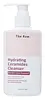
This mild cream cleanser is made to cleanse without leaving your skin tight or dry.
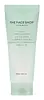
This salicylic acid gel cleanser is formulated around Salicylic Acid to clear breakouts and unclog pores.


What's inside
What's inside
 Key Ingredients
Benefits
Concerns
Ingredients Side-by-side
Water
Skin ConditioningDisodium Laureth Sulfosuccinate
CleansingCetyl Alcohol
Emollient



Propylene Glycol
Humectant

Glyceryl Stearate
Emollient
PEG-100 Stearate
Surfactant
Niacinamide
Smoothing











Squalane
Emollient
Butylene Glycol
Humectant
Ceramide NP
Skin Conditioning
Ceramide Ns
Skin Conditioning
Ceramide As
Skin Conditioning
Ceramide AP
Skin Conditioning
Ceramide EOP
Skin Conditioning
Hydrolyzed Centella Asiatica Extract
Antioxidant
Camellia Sinensis Leaf Extract
Antimicrobial
Polygonum Cuspidatum Root Extract
Antioxidant
Scutellaria Baicalensis Root Extract
Astringent
Glycyrrhiza Glabra Root Extract
Bleaching
Chamomilla Recutita Flower Extract
Masking
Rosmarinus Officinalis Leaf Extract
AntimicrobialDipotassium Glycyrrhizate
Humectant
Sodium Hyaluronate
Humectant
Panthenol
Skin Conditioning
Cholesterol
Emollient
Hydrogenated Lecithin
Emulsifying
Alpha-Glucan Oligosaccharide
Cleansing
Caprylyl Glycol
Emollient
1,2-Butanediol
HumectantDipropylene Glycol
HumectantHydroxyacetophenone
Antioxidant
Phenoxyethanol
Preservative
Ethylhexylglycerin
Skin ConditioningWater, Disodium Laureth Sulfosuccinate, Cetyl Alcohol, Propylene Glycol, Glyceryl Stearate, PEG-100 Stearate, Niacinamide, Squalane, Butylene Glycol, Ceramide NP, Ceramide Ns, Ceramide As, Ceramide AP, Ceramide EOP, Hydrolyzed Centella Asiatica Extract, Camellia Sinensis Leaf Extract, Polygonum Cuspidatum Root Extract, Scutellaria Baicalensis Root Extract, Glycyrrhiza Glabra Root Extract, Chamomilla Recutita Flower Extract, Rosmarinus Officinalis Leaf Extract, Dipotassium Glycyrrhizate, Sodium Hyaluronate, Panthenol, Cholesterol, Hydrogenated Lecithin, Alpha-Glucan Oligosaccharide, Caprylyl Glycol, 1,2-Butanediol, Dipropylene Glycol, Hydroxyacetophenone, Phenoxyethanol, Ethylhexylglycerin
Water
Skin ConditioningGlycerin
Humectant
Lauryl Hydroxysultaine
CleansingPotassium Cocoyl Glycinate
Surfactant
Coco-Glucoside
Cleansing
Sodium Cocoyl Alaninate
Surfactant
Acrylates/C10-30 Alkyl Acrylate Crosspolymer
Emulsion StabilisingPotassium Hydroxide
BufferingSodium Benzoate
Masking
Salicylic Acid
Masking


Ethylhexylglycerin
Skin ConditioningDisodium EDTA
Anthemis Nobilis Flower Oil
Masking


Vetiveria Zizanoides Root Oil
Masking
Dipropylene Glycol
HumectantButylene Glycol
Humectant
Carnitine
Cleansing
Serine
Masking
Arginine
Masking
Citric Acid
Buffering
1,2-Hexanediol
Skin Conditioning
Melaleuca Alternifolia Flower/Leaf/Stem Extract
Skin ConditioningGluconolactone
Skin Conditioning
Hydrolyzed Hyaluronic Acid
Humectant
Water, Glycerin, Lauryl Hydroxysultaine, Potassium Cocoyl Glycinate, Coco-Glucoside, Sodium Cocoyl Alaninate, Acrylates/C10-30 Alkyl Acrylate Crosspolymer, Potassium Hydroxide, Sodium Benzoate, Salicylic Acid, Ethylhexylglycerin, Disodium EDTA, Anthemis Nobilis Flower Oil, Vetiveria Zizanoides Root Oil, Dipropylene Glycol, Butylene Glycol, Carnitine, Serine, Arginine, Citric Acid, 1,2-Hexanediol, Melaleuca Alternifolia Flower/Leaf/Stem Extract, Gluconolactone, Hydrolyzed Hyaluronic Acid
Reviews
Ingredients Explained
These ingredients are found in both products.
Ingredients higher up in an ingredient list are typically present in a larger amount.
Butylene Glycol (or BG) is used within cosmetic products for a few different reasons:
Overall, Butylene Glycol is a safe and well-rounded ingredient that works well with other ingredients.
Though this ingredient works well with most skin types, some people with sensitive skin may experience a reaction such as allergic rashes, closed comedones, or itchiness.
Learn more about Butylene GlycolDipropylene Glycol is a synthetically created humectant, stabilizer, and solvent.
This ingredient helps:
Dipropylene glycol is technically an alcohol, but it belongs to the glycol family (often considered part of the ‘good’ alcohols). This means it is hydrating and gentle on skin unlike drying solvent alcohols like denatured alcohol.
As a masking agent, Dipropylene Glycol can be used to cover the smell of other ingredients. However, it does not have a scent.
Studies show Dipropylene Glycol is considered safe to use in skincare.
Learn more about Dipropylene GlycolEthylhexylglycerin is created from glycerin. It is a multitasker ingredient that:
The CIR Expert Panel found minimal skin absorption or sensitization of any kind in a safety assessment. Though this ingredient is considered well-tolerated, a small number of cases of allergic dermatitis have been published since 2002. Just be sure to patch test if you are unsure.
Industry-reported use ranges from 8% in rinse-off products and 2% in leave-on formulations.
Learn more about EthylhexylglycerinWater. It's the most common cosmetic ingredient of all. You'll usually see it at the top of ingredient lists, meaning that it makes up the largest part of the product.
So why is it so popular? Water most often acts as a solvent - this means that it helps dissolve other ingredients into the formulation.
You'll also recognize water as that liquid we all need to stay alive. If you see this, drink a glass of water. Remember to stay hydrated!
Learn more about Water

