The Purest Solutions Exfoliating Salicylic Acid Cleanser Versus Dr. Sheth's Neem & Salicylic Acid Foaming Face Wash
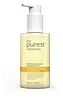
This salicylic acid gel cleanser is formulated around Salicylic Acid to clear breakouts and unclog pores.
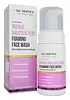
This salicylic acid foaming cleanser is formulated around Salicylic Acid to clear breakouts and unclog pores.


What's inside
What's inside
 Key Ingredients
Benefits
Concerns
Ingredients Side-by-side
Water
Skin ConditioningDisodium Laureth Sulfosuccinate
CleansingCocamidopropyl Betaine
Cleansing



Lauryl Glucoside
CleansingSodium C14-16 Olefin Sulfonate
Cleansing
Disodium Cocoamphodiacetate
CleansingPhenethyl Alcohol
MaskingNiacinamide
Smoothing











Pentylene Glycol
Skin Conditioning
PEG/PPG-120/10 Trimethylolpropane Trioleate

Laureth-2
Cleansing1,2-Hexanediol
Skin Conditioning
Salicylic Acid
Masking


Rosmarinus Officinalis Leaf Extract
AntimicrobialCamellia Sinensis Leaf Extract
Antimicrobial
Sodium Hyaluronate Crosspolymer
Humectant
Sodium Hyaluronate
Humectant
Sodium Acetylated Hyaluronate
Humectant
Hydrolyzed Sodium Hyaluronate
Skin Conditioning
Ethylhexylglycerin
Skin ConditioningSodium PCA
Humectant
Panthenol
Skin Conditioning
Zinc PCA
Humectant
Aloe Barbadensis Leaf Juice
Skin Conditioning
Water, Disodium Laureth Sulfosuccinate, Cocamidopropyl Betaine, Lauryl Glucoside, Sodium C14-16 Olefin Sulfonate, Disodium Cocoamphodiacetate, Phenethyl Alcohol, Niacinamide, Pentylene Glycol, PEG/PPG-120/10 Trimethylolpropane Trioleate, Laureth-2, 1,2-Hexanediol, Salicylic Acid, Rosmarinus Officinalis Leaf Extract, Camellia Sinensis Leaf Extract, Sodium Hyaluronate Crosspolymer, Sodium Hyaluronate, Sodium Acetylated Hyaluronate, Hydrolyzed Sodium Hyaluronate, Ethylhexylglycerin, Sodium PCA, Panthenol, Zinc PCA, Aloe Barbadensis Leaf Juice
Water
Skin ConditioningCocamidopropyl Betaine
Cleansing
Sodium Lauroyl Sarcosinate
CleansingDisodium Cocoamphodiacetate
CleansingDecyl Glucoside
Cleansing
Sodium Methyl Cocoyl Taurate
Cleansing
Salicylic Acid
Masking
Glycerin
Humectant
Sodium C14-16 Olefin Sulfonate
Cleansing
Sodium Cocoamphoacetate
CleansingCocamide Mea
Emulsifying
Xylitol
Humectant
Glucose
Humectant
Anhydroxylitol
Humectant
Nopalea Cochenillifera Extract
Skin ConditioningPolysorbate 20
Emulsifying
Azadirachta Indica Leaf Extract
Skin ConditioningSodium Hydroxide
BufferingPhenoxyethanol
Preservative
Ethylhexylglycerin
Skin ConditioningGuar Hydroxypropyltrimonium Chloride
Skin ConditioningOcimum Sanctum Leaf Extract
Skin ConditioningFucus Vesiculosus Extract
Emollient
Butylene Glycol
Humectant
1,2-Hexanediol
Skin Conditioning
Hydroxyacetophenone
Antioxidant
Xanthan Gum
EmulsifyingCaprylyl Glycol
Emollient
Hydrolyzed Wheat Protein
Skin ConditioningHydrolyzed Soy Protein
Humectant
Pectin
Emulsion StabilisingArginine
Masking
Proline
Skin Conditioning
Serine
Masking
Chondrus Crispus Extract
Skin Conditioning
Tocopherol
Antioxidant
Panthenol
Skin Conditioning
Citric Acid
Buffering
Sodium Hyaluronate
Humectant
Potassium Sorbate
Preservative
Water, Cocamidopropyl Betaine, Sodium Lauroyl Sarcosinate, Disodium Cocoamphodiacetate, Decyl Glucoside, Sodium Methyl Cocoyl Taurate, Salicylic Acid, Glycerin, Sodium C14-16 Olefin Sulfonate, Sodium Cocoamphoacetate, Cocamide Mea, Xylitol, Glucose, Anhydroxylitol, Nopalea Cochenillifera Extract, Polysorbate 20, Azadirachta Indica Leaf Extract, Sodium Hydroxide, Phenoxyethanol, Ethylhexylglycerin, Guar Hydroxypropyltrimonium Chloride, Ocimum Sanctum Leaf Extract, Fucus Vesiculosus Extract, Butylene Glycol, 1,2-Hexanediol, Hydroxyacetophenone, Xanthan Gum, Caprylyl Glycol, Hydrolyzed Wheat Protein, Hydrolyzed Soy Protein, Pectin, Arginine, Proline, Serine, Chondrus Crispus Extract, Tocopherol, Panthenol, Citric Acid, Sodium Hyaluronate, Potassium Sorbate
Reviews
Ingredients Explained
These ingredients are found in both products.
Ingredients higher up in an ingredient list are typically present in a larger amount.
1,2-Hexanediol is a synthetic liquid and another multi-functional powerhouse.
It is a:
- Humectant, drawing moisture into the skin
- Emollient, helping to soften skin
- Solvent, dispersing and stabilizing formulas
- Preservative booster, enhancing the antimicrobial activity of other preservatives
Cocamidopropyl Betaine is a fatty acid created by mixing similar compounds in coconut oil and dimethylaminopropylamine, a compound with two amino groups.
This ingredient is a surfactant and cleanser. It helps gather the dirt, pollutants, and other impurities in your skin to be washed away. It also helps thicken a product and make the texture more creamy.
Being created from coconut oil means Cocamidopropyl Betaine is hydrating for the skin.
While Cocamidopropyl Betaine was believed to be an allergen, a study from 2012 disproved this. It found two compounds in unpure Cocamidopropyl Betaine to be the irritants: aminoamide and 3-dimethylaminopropylamine. High-grade and pure Cocamidopropyl Betaine did not induce allergic reactions during this study.
Learn more about Cocamidopropyl BetaineDisodium Cocoamphodiacetate is a surfactant and helps cleanse skin. It is created from the fatty acids of coconut oil.
Surfactants help rinse oil, dirt, and other pollutants easily from skin. It has a faint fruit-like scent.
Ethylhexylglycerin is created from glycerin. It is a multitasker ingredient that:
The CIR Expert Panel found minimal skin absorption or sensitization of any kind in a safety assessment. Though this ingredient is considered well-tolerated, a small number of cases of allergic dermatitis have been published since 2002. Just be sure to patch test if you are unsure.
Industry-reported use ranges from 8% in rinse-off products and 2% in leave-on formulations.
Learn more about EthylhexylglycerinPanthenol is a common ingredient that helps hydrate and soothe the skin. It is found naturally in our skin and hair.
There are two forms of panthenol: D and L.
D-panthenol is also known as dexpanthenol. Most cosmetics use dexpanthenol or a mixture of D and L-panthenol.
Panthenol is famous due to its ability to go deeper into the skin's layers. Using this ingredient has numerous pros (and no cons):
Like hyaluronic acid, panthenol is a humectant. Humectants are able to bind and hold large amounts of water to keep skin hydrated.
This ingredient works well for wound healing. It works by increasing tissue in the wound and helps close open wounds.
Once oxidized, panthenol converts to pantothenic acid. Panthothenic acid is found in all living cells.
This ingredient is also referred to as pro-vitamin B5.
Learn more about PanthenolSalicylic Acid (also known as beta hydroxy acid or BHA) is a well-known ingredient for treating skin that struggles with acne and clogged pores. It exfoliates both the skin's surface and deep within the pores to help clear out buildup, control oil, and reduce inflammation.
Unlike AHAs (alpha hydroxy acids), salicylic acid is oil-soluble. This allows it to penetrate into pores which makes it especially effective for treating blackheads and preventing future breakouts.
Salicylic acid is also known for its soothing properties. It has a similar structure to aspirin and can calm inflamed or irritated skin, making it a good option for acne-prone skin that is also sensitive.
Concentrations of 0.5-2% are recognized by the U.S. FDA as an over-the-counter topical acne product.
It can cause irritation and/or dryness if one's skin already has a compromised moisture barrier, so it's best to focus on repairing that before introducing this ingredient into your routine.
While salicylic acid does not increase sun sensitivity, it’s still important to wear sunscreen daily to protect your skin.
If you are looking for the ingredient called BHA or Butylated Hydroxyanisole, click here.
Learn more about Salicylic AcidSodium C14-16 Olefin Sulfonate is a surfactant that helps water and oil mix so that dirt, sweat, sebum, and sunscreen can rinse away easily. It's not technically a sulfate, but behaves similarly in formulas.
What it does:
Sodium C14-16 Olefin Sulfonate is a strong cleansing surfactant and is much stronger than many mild cleansers. Because it works deeply, it can disrupt the skin's barrier. This can lead to dryness or irritation for those with sensitive skin.
Compared to gentler surfactants, it's effective but more likely to dry or irritate if not balanced with soothing ingredients.
CIR considers sodium α-olefin sulfonates (including C14-16) to be safe for use in rinse-off products when properly formulated. It is poorly absorbed through normal skin but absorption increases if the skin barrier is already damaged.
Learn more about Sodium C14-16 Olefin SulfonateSodium Hyaluronate is the salt form of hyaluronic acid. It is a long sugar chain that is naturally found in your skin, joints, and connective tissue that maintains hydration and elasticity.
In skincare, it works as a humectant. It pulls water from the environment and deeper layers of skin and binds it to the surface.
Interestingly, the size of the molecule affects its behavior:
Some clinical evidence links low molecular weight versions to improved wrinkle depth, elasticity, anti-inflammatory effects, and barrier repair.
Many serums use a blend of both weights so you can get surface hydration plus longer-lasting and deeper effects.
You'll typically see concentrations between 0.1-2% for this ingredient.
Learn more about Sodium HyaluronateWater. It's the most common cosmetic ingredient of all. You'll usually see it at the top of ingredient lists, meaning that it makes up the largest part of the product.
So why is it so popular? Water most often acts as a solvent - this means that it helps dissolve other ingredients into the formulation.
You'll also recognize water as that liquid we all need to stay alive. If you see this, drink a glass of water. Remember to stay hydrated!
Learn more about Water

