The Ordinary Vitamin C Suspension 23% + HA Spheres 2% Versus Origins GinZing Into the Glow Brightening Serum
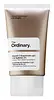
This brightening serum is formulated around Ascorbic Acid and Sodium Hyaluronate to brighten dull-looking skin and soften the look of wrinkles.
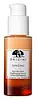
This brightening serum is formulated around Lactic Acid and Panax Ginseng Root Extract to brighten dull-looking skin and refine skin texture.


What's inside
What's inside
 Key Ingredients
Benefits
Concerns
Ingredients Side-by-side
Ascorbic Acid
Antioxidant






Squalane
Emollient

Isodecyl Neopentanoate
EmollientIsononyl Isononanoate
EmollientCoconut Alkanes
Emollient


Ethylene/Propylene/Styrene Copolymer
Ethylhexyl Palmitate
Emollient


Silica Dimethyl Silylate
EmollientSodium Hyaluronate
Humectant

Glucomannan
Skin ConditioningCoco-Caprylate/Caprate
Emollient
Butylene/Ethylene/Styrene Copolymer
Acrylates/Ethylhexyl Acrylate Crosspolymer
Trihydroxystearin
Skin Conditioning
BHT
Antioxidant
Ascorbic Acid, Squalane, Isodecyl Neopentanoate, Isononyl Isononanoate, Coconut Alkanes, Ethylene/Propylene/Styrene Copolymer, Ethylhexyl Palmitate, Silica Dimethyl Silylate, Sodium Hyaluronate, Glucomannan, Coco-Caprylate/Caprate, Butylene/Ethylene/Styrene Copolymer, Acrylates/Ethylhexyl Acrylate Crosspolymer, Trihydroxystearin, BHT
Water
Skin ConditioningButylene Glycol
Humectant
C9-12 Alkane
SolventCitric Acid
Buffering
Sodium Hydroxide
BufferingTartaric Acid
Buffering
Sodium Polyacryloyldimethyl Taurate
Emulsion StabilisingLactic Acid
Buffering

Citrus Grandis Peel Oil
Masking



Citrus Limon Peel Oil
Masking
Citrus Aurantium Dulcis Peel Oil
Masking
Mentha Viridis Leaf Oil
Astringent
Citral
Perfuming
Linalool
Perfuming
Limonene
Perfuming
Panax Ginseng Root Extract
Emollient
Coffea Arabica Seed Extract
Masking
Carica Papaya Fruit Extract
Skin ConditioningPyruvic Acid
MaskingSalicylic Acid
Masking


Caffeine
Skin Conditioning
Tetrahexyldecyl Ascorbate
Antioxidant
Tocopheryl Acetate
Antioxidant
Avena Sativa Kernel Extract
Abrasive
Sodium Hyaluronate
Humectant
Trehalose
Humectant
Squalane
Emollient
Glycerin
Humectant
Algae Extract
Emollient
Menthol
Masking
Lecithin
Emollient
Coco-Caprylate/Caprate
Emollient
Xanthan Gum
EmulsifyingHydroxyethyl Acrylate/Sodium Acryloyldimethyl Taurate Copolymer
Emulsion StabilisingPolysorbate 20
Emulsifying
Polysorbate 60
Emulsifying
PPG-5-Ceteth-20
EmulsifyingPlankton Extract
Skin ConditioningCaprylyl Glycol
Emollient
Ethylhexylglycerin
Skin ConditioningBHT
Antioxidant
Phenoxyethanol
Preservative
CI 15510
Cosmetic ColorantWater, Butylene Glycol, C9-12 Alkane, Citric Acid, Sodium Hydroxide, Tartaric Acid, Sodium Polyacryloyldimethyl Taurate, Lactic Acid, Citrus Grandis Peel Oil, Citrus Limon Peel Oil, Citrus Aurantium Dulcis Peel Oil, Mentha Viridis Leaf Oil, Citral, Linalool, Limonene, Panax Ginseng Root Extract, Coffea Arabica Seed Extract, Carica Papaya Fruit Extract, Pyruvic Acid, Salicylic Acid, Caffeine, Tetrahexyldecyl Ascorbate, Tocopheryl Acetate, Avena Sativa Kernel Extract, Sodium Hyaluronate, Trehalose, Squalane, Glycerin, Algae Extract, Menthol, Lecithin, Coco-Caprylate/Caprate, Xanthan Gum, Hydroxyethyl Acrylate/Sodium Acryloyldimethyl Taurate Copolymer, Polysorbate 20, Polysorbate 60, PPG-5-Ceteth-20, Plankton Extract, Caprylyl Glycol, Ethylhexylglycerin, BHT, Phenoxyethanol, CI 15510
Reviews
Ingredients Explained
These ingredients are found in both products.
Ingredients higher up in an ingredient list are typically present in a larger amount.
BHT is a synthetic antioxidant and preservative.
As an antioxidant, it helps your body fight off free-radicals. Free-radicals are molecules that may damage your skin cells.
As a preservative, it is used to stabilize products and prevent them from degrading. Specifically, BHT prevents degradation from oxidation.
The concerns related to BHT come from oral studies; this ingredient is currently allowed for use by both the FDA and EU.
However, it was recently restricted for use in the UK as of April 2024.
Learn more about BHTCoco-Caprylate/Caprate is a lightweight ester created from coconut oil fatty acids, caprylic acid, and capric acid.
It is an emollient that helps soften skin and reduce transepidermal water loss (TEWL). What sets it apart from heavier emollients is its ultralight, non-greasy feel.
Once applied, this ingredient dries down quickly and leaves a dry, silky finish behind. This also helps improve spreadability and texture.
This ingredient has an excellent safety-record and is non-irritating.
Typical concentrations for cosmetics range from 0.5-62%.
Research on Malassezia growth found no growth on fatty acid esters with chain lengths shorter than 12 carbons (it prefers C11-24).
Since Coco-Caprylate/Caprate is built on C8 and C10 fatty acids, it is out of the range that Malassezia metabolizes, and therefore safe for fungal acne.
Learn more about Coco-Caprylate/CaprateSodium Hyaluronate is the salt form of hyaluronic acid. It is a long sugar chain that is naturally found in your skin, joints, and connective tissue that maintains hydration and elasticity.
In skincare, it works as a humectant. It pulls water from the environment and deeper layers of skin and binds it to the surface.
Interestingly, the size of the molecule affects its behavior:
Some clinical evidence links low molecular weight versions to improved wrinkle depth, elasticity, anti-inflammatory effects, and barrier repair.
Many serums use a blend of both weights so you can get surface hydration plus longer-lasting and deeper effects.
You'll typically see concentrations between 0.1-2% for this ingredient.
Learn more about Sodium HyaluronateSqualane is the hydrogenated and shelf-stable form of squalene (a lipid that naturally occurs in human sebum).
It is an emollient and skin conditioning agent that is able to integrate seamlessly into the skin's lipid barrier without clogging pores.
This is due to how structurally similar it is to what your skin already produces.
Though it is mostly an emollient that helps soften and hydrate skin, it also has some humectant and occlusive action. Humectants help the skin retain moisture while occlusives seal it in, making squalane a triple-threat moisturizer.
Research shows it has antioxidant capabilities that help protect against stressors like UV exposure, specifically UVA induced oxidative stress. This study also found that it supports collagen biosynthesis in human dermal fibroblasts.
No clinical study has reported significant adverse effects and irritation reactions are very rare from this ingredient (even at 100% concentration).
Overall, it's a fantastic ingredient for hydration and is suitable for all skin types.
This depends on the source. Squalane can be derived from both plants and animals. Most squalane used in skincare comes from plants.
Please note: the source of squalane is only known if disclosed by the brand. We recommend reaching out to the brand if you have any questions about their squalane.
Read more about squalene with an "e".
Though squalane is often called an oil, it’s technically not one. It is a hydrocarbon, meaning it is only made of carbon and hydrogen. True oils are triglycerides and made of fatty acids and glycerol.
The term “oil-free” isn’t regulated so companies can define it however they want. Some exclude all oils, while others just avoid mineral oil or comedogenic oils.
Squalane has a comedogenic rating of 1 from the original 1972 study that tested raw ingredients under occlusion on rabbit ears. This system is not standardized or peer-reviewed, and using the raw ingredients is very different from how diluted cosmetic formulations are used on human skin.
A comedogenic rating of 1 means it is "unlikely to clog pores" according to the original rating system.
The overall formula of a product matters more than the individual ingredients on whether or not it will cause clogged pores.
Learn more about Squalane

