

What's inside
What's inside
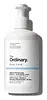 Key Ingredients
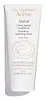
Benefits
Concerns
Ingredients Side-by-side
Water
Skin ConditioningCaprylic/Capric Triglyceride
Masking


Glycerin
Humectant
Inulin
Skin Conditioning
Propanediol
Solvent
Isodecyl Neopentanoate
EmollientArachidyl Alcohol
Emollient
Rhus Succedanea Fruit Wax
Sodium Hyaluronate
Humectant


Arginine
Masking
Glycine
Buffering
Alanine
Masking
Serine
Masking
Proline
Skin Conditioning
Threonine
Glutamic Acid
Humectant
Lysine Hcl
Skin Conditioning
Betaine
Humectant
Sodium PCA
Humectant
PCA
Humectant
Xylitylglucoside
Humectant
Anhydroxylitol
Humectant
Xylitol
Humectant
Glucose
Humectant
Maltose
MaskingFructose
Humectant
Sucrose
Humectant
Trehalose
Humectant
Sodium Lactate
Buffering
Urea
Buffering

Allantoin
Skin Conditioning
Behenyl Alcohol
Emollient
Arachidyl Glucoside
EmulsifyingPentylene Glycol
Skin Conditioning
Polyacrylate Crosspolymer-6
Emulsion StabilisingXanthan Gum
EmulsifyingTrisodium Ethylenediamine Disuccinate
Tocopherol
Antioxidant



Citric Acid
Buffering

Sodium Hydroxide
BufferingSodium Chloride
MaskingEthylhexylglycerin
Skin ConditioningPhenoxyethanol
Preservative
Chlorphenesin
Antimicrobial
Water, Caprylic/Capric Triglyceride, Glycerin, Inulin, Propanediol, Isodecyl Neopentanoate, Arachidyl Alcohol, Rhus Succedanea Fruit Wax, Sodium Hyaluronate, Arginine, Glycine, Alanine, Serine, Proline, Threonine, Glutamic Acid, Lysine Hcl, Betaine, Sodium PCA, PCA, Xylitylglucoside, Anhydroxylitol, Xylitol, Glucose, Maltose, Fructose, Sucrose, Trehalose, Sodium Lactate, Urea, Allantoin, Behenyl Alcohol, Arachidyl Glucoside, Pentylene Glycol, Polyacrylate Crosspolymer-6, Xanthan Gum, Trisodium Ethylenediamine Disuccinate, Tocopherol, Citric Acid, Sodium Hydroxide, Sodium Chloride, Ethylhexylglycerin, Phenoxyethanol, Chlorphenesin
Urea
Buffering
Water
Skin ConditioningParaffinum Liquidum
Emollient

Propylene Glycol
Humectant
Triethanolamine
BufferingMethyl Glucose Sesquistearate
Emollient
PEG-20 Methyl Glucose Sesquistearate
Emulsifying
Prunus Amygdalus Dulcis Oil
Skin Conditioning
Salicylic Acid
Masking




Carbomer
Emulsion StabilisingLactic Acid
Buffering
Phenoxyethanol
Preservative
Ethylene Brassylate
MaskingTocopheryl Acetate
Antioxidant
Reviews
Ingredients Explained
These ingredients are found in both products.
Ingredients higher up in an ingredient list are typically present in a larger amount.
Phenoxyethanol is a preservative that has germicide, antimicrobial, and aromatic properties. Studies show that phenoxyethanol can prevent microbial growth. By itself, it has a scent that is similar to that of a rose.
It's often used in formulations along with Caprylyl Glycol to preserve the shelf life of products.
Urea is also called carbamide and is the diamide of carbonic acid. In cosmetics, urea is used to hydrate the skin. It also provides exfoliation in higher concentrations.
As a humectant, urea helps draw moisture from the air and from deep within the skin. This helps hydrate your skin. Studies show urea is an effective moisturizer for dry skin conditions. 40% urea is typical in medications for treating eczema and other skin conditions.
Urea has the strongest exfoliation effect in concentrations higher than 10%. It is a keratolytic agent, meaning it breaks down the keratin protein in the top layer of skin. This helps remove dead skin cells and flaking skin.
In medicine, urea has been shown to help increase the potency of other ingredients, such as fungal treatments.
Humans and animals use urea to metabolize nitrogen-containing compounds. Urea is highly soluble in water. Once dissolved, it is neither acidic nor alkaline.
Urea is actually one of the more well-studied and well-supported ingredients out there if you have eczema.
Clinical trials have shown that urea creams in the 5 - 10% range can:
Higher concentrations (20 -30%) can also help with thickened, scaly patches but is also more likely to sting on active flares.
Skip urea if you have rosacea. The AAD (American Academy of Dermatology) lists it alongside alcohol, menthol, and fragrance as a potential irritant for rosacea-prone skin. Urea's keratolytic and penetration-enhancing properties can trigger stinging, burning, and redness.
As always, your skin is unique, so definitely check in with your dermatologist.
Learn more about UreaWater. It's the most common cosmetic ingredient of all. You'll usually see it at the top of ingredient lists, meaning that it makes up the largest part of the product.
So why is it so popular? Water most often acts as a solvent - this means that it helps dissolve other ingredients into the formulation.
You'll also recognize water as that liquid we all need to stay alive. If you see this, drink a glass of water. Remember to stay hydrated!
Learn more about Water
