The Derma Co Tran-Zelaic Pigmentation Corrector Serum Versus The Derma Co 3% Kojic Acid Dark Spot Corrector Gel
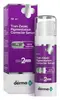
This brightening serum is formulated around Azelaic Acid and Niacinamide to fade the look of dark spots and brighten dull-looking skin.
This brightening treatment is formulated around Glycolic Acid and 4-Butylresorcinol to fade the look of dark spots and brighten dull-looking skin.

What's inside
What's inside
 Key Ingredients
Benefits
Concerns
No concerns
Ingredients Side-by-side
Water
Skin ConditioningAzelaic Acid 10%
Buffering









Propanediol
Solvent

Niacinamide
Smoothing

Dimethyl Isosorbide
SolventTranexamic Acid 3%
Astringent
Betaine
Humectant
Alpha-Arbutin
Antioxidant

Panthenol
Skin Conditioning
Phenethyl Alcohol
MaskingCaprylyl Glycol
Emollient
Glycerin
Humectant
Sodium PCA
Humectant
4-Butylresorcinol
Antioxidant
Ferulic Acid
Antimicrobial
Terminalia Ferdinandiana Fruit Extract
Antioxidant
Allantoin
Skin Conditioning
Sodium Hyaluronate
Humectant
Xanthan Gum
EmulsifyingSodium Hydroxide
BufferingDisodium EDTA
ChelatingWater, Azelaic Acid 10%, Propanediol, Niacinamide, Dimethyl Isosorbide, Tranexamic Acid 3%, Betaine, Alpha-Arbutin, Panthenol, Phenethyl Alcohol, Caprylyl Glycol, Glycerin, Sodium PCA, 4-Butylresorcinol, Ferulic Acid, Terminalia Ferdinandiana Fruit Extract, Allantoin, Sodium Hyaluronate, Xanthan Gum, Sodium Hydroxide, Disodium EDTA
Water
Skin ConditioningCaprylic/Capric Triglyceride
Masking
Glycolic Acid
Buffering



Kojic Dipalmitate
Emollient
Butyrospermum Parkii Butter
Skin Conditioning


Sodium Acrylate/Sodium Acryloyldimethyl Taurate Copolymer
Emulsion StabilisingHydrogenated Polydecene
EmollientTrideceth-6
EmulsifyingSorbitan Laurate
Emulsifying
4-Butylresorcinol
Antioxidant
Butylene Glycol
Humectant
Cetearyl Alcohol
Emollient
Dicetyl Phosphate
EmulsifyingCeteth-10 Phosphate
CleansingAzelaic Acid
Buffering
Tranexamic Acid
Astringent
Cetyl Acetate
Emollient
Arbutin
Antioxidant
Lecithin
Emollient
Ceteareth-20
Cleansing
Glycyrrhiza Glabra Root Extract
Bleaching
Morus Alba Extract
AstringentLaminaria Digitata Extract
Skin Protecting
Cetyl-Pg Hydroxyethyl Palmitamide
Skin ConditioningCeramide EOP
Skin Conditioning
Ceramide Ns
Skin Conditioning
Ceramide NP
Skin Conditioning
Ceramide As
Skin Conditioning
Ceramide AP
Skin Conditioning
Propylene Glycol
Humectant
Arginine
Masking
Phenoxyethanol
Preservative
Ethylhexylglycerin
Skin ConditioningSodium Hyaluronate
Humectant
Xanthan Gum
EmulsifyingSodium Hydroxide
BufferingSodium Metabisulfite
Antioxidant
Pentaerythrityl Tetra-Di-T-Butyl Hydroxyhydrocinnamate
Antioxidant
Water, Caprylic/Capric Triglyceride, Glycolic Acid, Kojic Dipalmitate, Butyrospermum Parkii Butter, Sodium Acrylate/Sodium Acryloyldimethyl Taurate Copolymer, Hydrogenated Polydecene, Trideceth-6, Sorbitan Laurate, 4-Butylresorcinol, Butylene Glycol, Cetearyl Alcohol, Dicetyl Phosphate, Ceteth-10 Phosphate, Azelaic Acid, Tranexamic Acid, Cetyl Acetate, Arbutin, Lecithin, Ceteareth-20, Glycyrrhiza Glabra Root Extract, Morus Alba Extract, Laminaria Digitata Extract, Cetyl-Pg Hydroxyethyl Palmitamide, Ceramide EOP, Ceramide Ns, Ceramide NP, Ceramide As, Ceramide AP, Propylene Glycol, Arginine, Phenoxyethanol, Ethylhexylglycerin, Sodium Hyaluronate, Xanthan Gum, Sodium Hydroxide, Sodium Metabisulfite, Pentaerythrityl Tetra-Di-T-Butyl Hydroxyhydrocinnamate
Reviews
Alternatives
Ingredients Explained
These ingredients are found in both products.
Ingredients higher up in an ingredient list are typically present in a larger amount.
This ingredient is also known as rucinol. It's an antioxidant and one of the best-studied tyrosinase inhibitors (skin brightener) in cosmetic chemistry.
This ingredient works in a few complimentary ways:
In head-to-head biochemical assays, it outperformed kojic acid, arbutin, and even hydroquinone at slowing melanin production.
Clinically, 0.1% has shown to improve melasma visibly after just 4 weeks. Another liposome-encapsulated version performed similarly well and an Indian study on 0.3% showed significant melasma reduction over 8 weeks with no adverse events reported.
This ingredient is generally well-tolerated. A very small amount of people have experienced mild dryness or peeling at a higher concentration (0.3%).
According to a manufacturer, this ingredient is sensitive to air. Good formulations should account for this to keep your rucinol effective.
Be sure to also check out Thiamidol, another "hydroquinone alternative".
Learn more about 4-ButylresorcinolAzelaic acid is a multitasker ingredient that helps treat acne, pigmentation, and irritation. It is a great option for sensitive skin.
What makes it special?
OTC Azelaic acid is usually available in concentrations from 10-15% and anything over requires a prescription.
Here's what each tier does best:
Unlike other acids, azelaic acid will not make your skin more photosensitive/sun sensitive.
Though this ingredient is naturally occurring in grains like wheat, rye, and barley, it is usually synthetically created for cosmetics to ensure stability and effectiveness.
Learn more about Azelaic AcidSodium Hyaluronate is the salt form of hyaluronic acid. It is a long sugar chain that is naturally found in your skin, joints, and connective tissue that maintains hydration and elasticity.
In skincare, it works as a humectant. It pulls water from the environment and deeper layers of skin and binds it to the surface.
Interestingly, the size of the molecule affects its behavior:
Some clinical evidence links low molecular weight versions to improved wrinkle depth, elasticity, anti-inflammatory effects, and barrier repair.
Many serums use a blend of both weights so you can get surface hydration plus longer-lasting and deeper effects.
You'll typically see concentrations between 0.1-2% for this ingredient.
Learn more about Sodium HyaluronateSodium Hydroxide is also known as lye or caustic soda. It is used to adjust the pH of products; many ingredients require a specific pH to be effective.
In small amounts, sodium hydroxide is considered safe to use. However, large amounts may cause chemical burns due to its high alkaline.
Your skin has a natural pH and acid mantle. This acid mantle helps prevent harmful bacteria from breaking through. The acid mantle also helps keep your skin hydrated.
"Alkaline" refers to a high pH level. A low pH level would be considered acidic.
Learn more about Sodium HydroxideTranexamic Acid (TXA) is a synthetic lysine derivative that is becoming one of the most exciting brightening ingredients in skincare.
Originally used in medicine as an anti-hemorrhagic agent, its skin brightening potential was discovered by accident; patients taking it orally started noticing their melasma was fading.
Unlike most brighteners that target tyrosinase (the enzyme that synthesizes melanin), TXA works further upstream. It basically blocks your cells from receiving the signal to produce pigment.
This makes it one of the rare actives that works on three pathways at once:
This makes it effective for treating melasma, post-inflammatory hyperpigmentation (PIH), and sun-induced dark spots.
The most effective cosmetic concentration sits between 2-5% and going higher doesn't boost results.
Side effects are generally mild; occasional irritation, flaking, or dryness have been reported at the start of use. Overall, this ingredient is pretty well tolerated, even by sensitive skin types.
Another perk of this ingredient is that it does not cause photosensitivity, so it's safe to use in the AM and PM.
"Does it actually penetrate?" is the part that gets argued about online and the honest answer from research + clinical trials at this time is "yes, but not easily."
TXA is a small molecule that loves water and carries both a positive and negative charge at the same time. Skin's outer layer is oily so a water-loving molecule like this has a hard time getting through it. Liu et al. 2021 showed that it doesn't really stick around well in the deeper layer where pigment-making cells actually live.
A 2025 paper puts it simply: penetration is poor and it depends heavily on how the product is formulated (Winn et al., J Cosmet Dermatol).
But "poor" isn't "none" and the research is fairly clear that topical TXA does something. A 2026 review that pooled results from multiple studies found it helped with moderate melasma but it didn't outperform hydroquinone. Some individual studies at 3% and 5% went head to head with hydroquinone and help up well.
So the fair takeaway is that it works, it's just slower and fussier about formulation than other actives (how the serum is built matters a lot).
There's real evidence here and it's not just clinic marketing. Reviews of microneedling plus TXA report less pigmentation, less melanin, and less redness (Zhang et al., Chinese Journal of Plastic and Reconstructive Surgery, 2024).
The most useful study compared 42 patients getting microneedling plus TXA against microneedling on its own; the group that got the acid saw much bigger improvement. This suggests the acid is pulling its weight and the needling isn't doing all the work.
Just two things worth flagging here:
Oral TXA also works well for melasma and gets used in clinics. However, it is a systemic drug with clotting-related risks and needs a prescription. Injections into the skin have also been studied with good results.
Neither is something a cosmetic product can do, but they help explain why so much attention goes into getting the topical version right.
Learn more about Tranexamic AcidWater. It's the most common cosmetic ingredient of all. You'll usually see it at the top of ingredient lists, meaning that it makes up the largest part of the product.
So why is it so popular? Water most often acts as a solvent - this means that it helps dissolve other ingredients into the formulation.
You'll also recognize water as that liquid we all need to stay alive. If you see this, drink a glass of water. Remember to stay hydrated!
Learn more about WaterXanthan gum is used as a stabilizer and thickener within cosmetic products. It helps give products a sticky, thick feeling - preventing them from being too runny.
On the technical side of things, xanthan gum is a polysaccharide - a combination consisting of multiple sugar molecules bonded together.
Xanthan gum is a pretty common and great ingredient. It is a natural, non-toxic, non-irritating ingredient that is also commonly used in food products.
Learn more about Xanthan Gum

