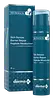
This barrier-repair moisturizer is formulated around Niacinamide and Ceramide NP to strengthen the skin barrier and soften the look of wrinkles.
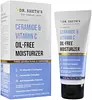
This barrier-repair moisturizer is formulated around 3-O-Ethyl Ascorbic Acid and Ceramide NP to strengthen the skin barrier and hydrate skin.

What's inside
What's inside
 Key Ingredients
Benefits
Concerns
Ingredients Side-by-side
Water
Skin ConditioningPropanediol
Solvent

Coco-Caprylate/Caprate
Emollient
Cetearyl Alcohol
Emollient





Niacinamide
Smoothing










Betaine
Humectant
Cyclopentasiloxane
Emollient
Neopentyl Glycol Diheptanoate
EmollientIsododecane
EmollientSqualane
Emollient
3-O-Ethyl Ascorbic Acid
Skin Conditioning
Ceramide NP
Skin Conditioning
PEG-7 Glyceryl Cocoate
Emulsifying
Phenoxyethanol
Preservative
Ethylhexylglycerin
Skin ConditioningGlyceryl Stearate
Emollient
Palmitoyl Tripeptide-5
Skin Conditioning
Polyacrylate-13
Polyisobutene
Polysorbate 20
Emulsifying
Glyceryl Stearate Citrate
Emollient
Centella Asiatica Extract
Cleansing
Xylitylglucoside
Humectant
Anhydroxylitol
Humectant
Xylitol
Humectant
Sodium Hyaluronate
Humectant
Allantoin
Skin Conditioning
Acrylates/C10-30 Alkyl Acrylate Crosspolymer
Emulsion StabilisingTriethanolamine
BufferingSodium Gluconate
ChelatingWater, Propanediol, Coco-Caprylate/Caprate, Cetearyl Alcohol, Niacinamide, Betaine, Cyclopentasiloxane, Neopentyl Glycol Diheptanoate, Isododecane, Squalane, 3-O-Ethyl Ascorbic Acid, Ceramide NP, PEG-7 Glyceryl Cocoate, Phenoxyethanol, Ethylhexylglycerin, Glyceryl Stearate, Palmitoyl Tripeptide-5, Polyacrylate-13, Polyisobutene, Polysorbate 20, Glyceryl Stearate Citrate, Centella Asiatica Extract, Xylitylglucoside, Anhydroxylitol, Xylitol, Sodium Hyaluronate, Allantoin, Acrylates/C10-30 Alkyl Acrylate Crosspolymer, Triethanolamine, Sodium Gluconate
Water
Skin ConditioningCaprylic/Capric Triglyceride
Masking
Glycerin
Humectant
Sodium Acrylates Copolymer
Coconut Alkanes
Emollient
Dimethicone
Emollient
Amber Extract
Skin ConditioningTocopheryl Acetate
Antioxidant

Terminalia Ferdinandiana Fruit Extract
Antioxidant
Laminaria Digitata Extract
Skin Protecting
3-O-Ethyl Ascorbic Acid
Skin Conditioning
Phenoxyethanol
Preservative
Lecithin
Emollient
Cetyl-Pg Hydroxyethyl Palmitamide
Skin ConditioningCeramide EOP
Skin Conditioning
Ceramide Ns
Skin Conditioning
Ceramide NP
Skin Conditioning
Ceramide As
Skin Conditioning
Ceramide AP
Skin Conditioning
Withania Somnifera Root Extract
Skin Conditioning
Disodium EDTA
ChelatingEthylhexylglycerin
Skin ConditioningWater, Caprylic/Capric Triglyceride, Glycerin, Sodium Acrylates Copolymer, Coconut Alkanes, Dimethicone, Amber Extract, Tocopheryl Acetate, Terminalia Ferdinandiana Fruit Extract, Laminaria Digitata Extract, 3-O-Ethyl Ascorbic Acid, Phenoxyethanol, Lecithin, Cetyl-Pg Hydroxyethyl Palmitamide, Ceramide EOP, Ceramide Ns, Ceramide NP, Ceramide As, Ceramide AP, Withania Somnifera Root Extract, Disodium EDTA, Ethylhexylglycerin
Reviews
Ingredients Explained
These ingredients are found in both products.
Ingredients higher up in an ingredient list are typically present in a larger amount.
3-O-Ethyl Ascorbic Acid is one of the most popular "stable" vitamin C derivatives in skincare.
Plain ascorbic acid is fantastic but notoriously fragile; it browns, oxidizes, and loses potency fast. So attaching an ethyl group to the third carbon of the molecule gives it some cool perks:
In a formula, it does the 3 classic vitamin C jobs: it acts as an antioxidant, helps brighten skin tone by inhibiting tyrosinase, and supports collagen.
The evidence is reasonably solid for a cosmetic ingredient; Liao and colleagues (2018) showed it's significantly more stable than ascorbic acid while still being effective.
A 2021 study by Zerbinati and colleagues tested a serum with 30% 3-O-ethyl-l-ascorbic acid and 1% lactic acid significantly increased collagen production, reduced UVB-induced DNA damage, and decreased melanin on a reconstructed pigmented skin model.
Typical real world usage sits around 0.5-5% (and 1-2% is common for daily serums).
Amounts up to 30% have been shown to be non-irritating on human skin samples, but two isolated cases reported allergic contact dermatitis so a patch test is sensible if you have reactive skin.
Learn more about 3-O-Ethyl Ascorbic AcidCeramide NP (formerly known as Ceramide 3) is one of the skin's naturally occurring lipids.
Since ceramides are the major lipid components of the skin, they are crucial for maintaining skin barrier and hydration. Ceramide NP most closely mirrors the dominant kind in human skin amongst ceramide subtypes.
This ceramide works by slotting into gaps within the stratum corneum's lipid matrix to limit trans-epidermal water loss (TEWL) and shield the skin against external irritants.
A study with 312 patients found that using a ceramide-containing routine for 4 weeks reduced the severity of atopic dermatitis by over 61%.
Another clinical study in subjects aged 60 and older found that a ceramide body wash and moisturizer improved skin dryness and itchy skin in 15 days.
Overall, ceramides are considered non-irritating and safety tests have found little to no observable adverse effects from using this ingredient.
Ceramide NP is usually sourced from plants (like soybean or rice bran), or produced synthetically.
Learn more about Ceramide NPEthylhexylglycerin is created from glycerin. It is a multitasker ingredient that:
The CIR Expert Panel found minimal skin absorption or sensitization of any kind in a safety assessment. Though this ingredient is considered well-tolerated, a small number of cases of allergic dermatitis have been published since 2002. Just be sure to patch test if you are unsure.
Industry-reported use ranges from 8% in rinse-off products and 2% in leave-on formulations.
Learn more about EthylhexylglycerinPhenoxyethanol is one of the most widely used preservatives in skincare (and for good reason!).
It has a large spectrum of antimicrobial activity and especially effective bacteria, yeast, and mold while only having a weak effect on your skin's natural microbiome.
On a cellular level, it disrupts the cell membranes of microbes by poking holes that make the cell leak. This shuts down the chemical reactions the microbe needs to make energy so it can no longer survive.
Another perk of this ingredient is that it stays functional across a wide pH range (3-10).
You'll often see it paired with boosters like Ethylhexylglycerin; one study showed that a 1:9 ratio of Ethylhexylglycerin to Phenoxyethanol damages bacterial membranes as effectively as doubling the Phenoxyethanol concentration on its own.
Typical use concentrations range from 0.3-1% depending on the formula, and this ingredient is capped at 1% int the EU.
Safety-wise, the fear mongering does not hold up to the evidence. The EU's Scientific Committee on Consumer Safety and FDA consider it safe as a preservative at up to 1%, including for children of all ages.
Adverse systemic effects only showed up in animal studies at exposures roughly 200x higher than what people get from cosmetics. And despite its very widespread use, this ingredient is a rare sensitizer and allergic reactions are uncommon.
Learn more about PhenoxyethanolWater. It's the most common cosmetic ingredient of all. You'll usually see it at the top of ingredient lists, meaning that it makes up the largest part of the product.
So why is it so popular? Water most often acts as a solvent - this means that it helps dissolve other ingredients into the formulation.
You'll also recognize water as that liquid we all need to stay alive. If you see this, drink a glass of water. Remember to stay hydrated!
Learn more about Water

