

What's inside
What's inside
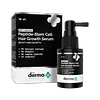 Key Ingredients
Benefits
Concerns
Ingredients Side-by-side
Water
Skin ConditioningButylene Glycol
Humectant

Emblica Officinalis Fruit Extract
Skin ConditioningLupinus Albus Seed Extract
Skin ConditioningPhenoxyethanol
Preservative
Ethylhexylglycerin
Skin ConditioningPisum Sativum Sprout Extract
Skin ConditioningSodium Benzoate
Masking
Bis(Tripeptide-1) Copper Acetate
Skin Conditioning
Glycerin
Humectant
Caprylyl Glycol
Emollient
Ocimum Basilicum Hairy Root Culture Extract
Skin ConditioningSodium Metabisulfite
Antioxidant
Larix Europaea Wood Extract
HumectantGlycine
Buffering
Zinc Chloride
AntimicrobialCamellia Sinensis Leaf Extract
Antimicrobial





PEG-40 Hydrogenated Castor Oil
Emulsifying


Malus Domestica Fruit Cell Culture Extract
Skin ConditioningXanthan Gum
EmulsifyingLecithin
Emollient
PPG-26-Buteth-26
Skin ConditioningApigenin
Antioxidant
Oleanolic Acid
Skin ConditioningBiotinoyl Tripeptide-1
Sclerotium Gum
Emulsion StabilisingSodium Gluconate
ChelatingEthoxydiglycol
HumectantTocopherol
Antioxidant

Water, Butylene Glycol, Emblica Officinalis Fruit Extract, Lupinus Albus Seed Extract, Phenoxyethanol, Ethylhexylglycerin, Pisum Sativum Sprout Extract, Sodium Benzoate, Bis(Tripeptide-1) Copper Acetate, Glycerin, Caprylyl Glycol, Ocimum Basilicum Hairy Root Culture Extract, Sodium Metabisulfite, Larix Europaea Wood Extract, Glycine, Zinc Chloride, Camellia Sinensis Leaf Extract, PEG-40 Hydrogenated Castor Oil, Malus Domestica Fruit Cell Culture Extract, Xanthan Gum, Lecithin, PPG-26-Buteth-26, Apigenin, Oleanolic Acid, Biotinoyl Tripeptide-1, Sclerotium Gum, Sodium Gluconate, Ethoxydiglycol, Tocopherol
Water
Skin ConditioningPentylene Glycol
Skin Conditioning
Butylene Glycol
Humectant
Glycerin
Humectant
Propanediol
Solvent
Curcuma Longa Callus Culture Conditioned Media
Antioxidant
Acetyl Tetrapeptide-3
Skin Protecting
Avena Sativa Peptide
Skin Conditioning
Biotinoyl Tripeptide-1
Caffeine
Skin Conditioning
Niacinamide
Smoothing


Serenoa Serrulata Fruit Extract
Skin Conditioning
Salicylic Acid
Masking



Oleanolic Acid
Skin ConditioningTrifolium Pratense Flower Extract
AstringentPseudoalteromonas Ferment Extract
Humectant
Panthenol
Skin Conditioning
Camellia Sinensis Leaf Extract
Antimicrobial
Sodium PCA
Humectant
Sodium Lactate
Buffering
Aspartic Acid
Masking
Polydextrose
HumectantArginine
Masking
Valine
MaskingIsoleucine
Skin ConditioningProline
Skin Conditioning
Threonine
Glycine
Buffering
PCA
Humectant
Larix Europaea Wood Extract
HumectantAlanine
Masking
Caprylyl Glycol
Emollient
Serine
Masking
Sodium Metabisulfite
Antioxidant
Dextran
Histidine
Humectant
Phenylalanine
Masking
Phytic Acid
Chelating
Zinc Chloride
AntimicrobialApigenin
Antioxidant
1,2-Hexanediol
Skin Conditioning
Algin
MaskingHydroxyethylcellulose
Emulsion StabilisingCaprylhydroxamic Acid
ChelatingCellulose Gum
Emulsion StabilisingPEG-40 Hydrogenated Castor Oil
Emulsifying
Disodium EDTA
ChelatingPPG-26-Buteth-26
Skin ConditioningBenzoic Acid
Masking
Sodium Salicylate
Preservative
Sodium Benzoate
Masking
Water, Pentylene Glycol, Butylene Glycol, Glycerin, Propanediol, Curcuma Longa Callus Culture Conditioned Media, Acetyl Tetrapeptide-3, Avena Sativa Peptide, Biotinoyl Tripeptide-1, Caffeine, Niacinamide, Serenoa Serrulata Fruit Extract, Salicylic Acid, Oleanolic Acid, Trifolium Pratense Flower Extract, Pseudoalteromonas Ferment Extract, Panthenol, Camellia Sinensis Leaf Extract, Sodium PCA, Sodium Lactate, Aspartic Acid, Polydextrose, Arginine, Valine, Isoleucine, Proline, Threonine, Glycine, PCA, Larix Europaea Wood Extract, Alanine, Caprylyl Glycol, Serine, Sodium Metabisulfite, Dextran, Histidine, Phenylalanine, Phytic Acid, Zinc Chloride, Apigenin, 1,2-Hexanediol, Algin, Hydroxyethylcellulose, Caprylhydroxamic Acid, Cellulose Gum, PEG-40 Hydrogenated Castor Oil, Disodium EDTA, PPG-26-Buteth-26, Benzoic Acid, Sodium Salicylate, Sodium Benzoate
Ingredients Explained
These ingredients are found in both products.
Ingredients higher up in an ingredient list are typically present in a larger amount.
Apigenin is an antioxidant.
Biotinoyl Tripeptide-1 is a lab-made molecule that combines two parts: biotin (vitamin B7) and Tripeptide-1. Together, they form a peptide that’s often used in hair and eyelash products.
In-vitro studies show this ingredient helps hair bulb cells grow faster and product more structual proteins. This helps keep hair securely anchored in the follicle.
A small human study using a mascara with 2% Biotinoyl Tripeptide-1 reported lashes that were about 17% longer and 19% thicker after one month.
One study from 2025 compared topical spray vs. a combined tropical/oral treatment. The combination group saw greater increases in total hair count.
While these early results are encouraging, most of the data comes from in-vitro experiments (in test tubes) or small, short-term trials.
Biotinoyl Tripeptide-1 looks promising for supporting hair strength and growth but there’s not yet strong clinical evidence to confirm how well it works.
Learn more about Biotinoyl Tripeptide-1Butylene Glycol (or BG) is used within cosmetic products for a few different reasons:
Overall, Butylene Glycol is a safe and well-rounded ingredient that works well with other ingredients.
Though this ingredient works well with most skin types, some people with sensitive skin may experience a reaction such as allergic rashes, closed comedones, or itchiness.
Learn more about Butylene GlycolCamellia Sinensis Leaf Extract (tea extract) is one of the most well-researched plant extracts in skincare with an impressive resume.
Black tea, green tea, and oolong tea are all harvested from the Camellia Sinensis plant.
Studies show green tea extract and its catechins (like epigallocatechin gallate (EGCG)) help your skin cells product energy more efficiently and reducing the number of free-radicals that can damage your skin from the inside.
In lab-grown skin models, this translated to younger, healthier, and stronger skin.
There's also good sun protection data; researchers saw less DNA damage and redness on human skin when green tea was applied before UVB exposure. And the more they applied, the better the protection.
Needless to say, this ingredient shouldn't replace your sunscreen. But it is a great supportive ingredient that you can already find in many sunscreens and antioxidant serums.
A 2009 study found a 2% green tea lotion was effective for mild-to-moderate acne thanks to its anti-inflammatory and mild antimicrobial activity.
The quality of the extract matters a lot here:
Good extracts contain 50-90% catechins while lower quality ones are mostly there for marketing. We recommend reaching out to the brand if you have questions about the quality or source of their ingredients.
Human Repeated Insult Patch Testing showed no irritation or sensitization at use concentrations (0.86% in leave-on products and up to 30% as leaf water).
Learn more about Camellia Sinensis Leaf ExtractCaprylyl Glycol is a humectant, skin conditioner, emollient, and preservative booster derived from either caprylic acid or synthetically created.
Typical use levels vary from 0.3-1% as a preservative booster and go up to 2% to condition skin.
Because it is not a free-fatty acid, this ingredient is fungal acne safe (there's nothing for Malassezia to feed on).
Learn more about Caprylyl GlycolGlycerin (or glycerol) is a compound naturally found in your skin. It's a powerhouse humectant that pulls water into the stratum corneum.
Topically, glycerin does several things at once:
Your skin makes glycerin on its own (mostly from sebaceous oil breakdown) and shuttles it to your outermost layer of skin, or your epidermis, via aquaporin-3.
Aquaporin-3 is a transporter that is essential for normal skin hydration, elasticity, and repair. Interestingly, mice lacking in AQP3 have dry and less elastic skin that can be fully corrected with glycerin.
This ingredient is non-irritating, plays well with almost every ingredient, and works across all skin types. Typical use is anywhere between 3-10% but can go up to 79% in some leave-on products.
Just know very high concentrations (>40%) can feel tacky in low humidity.
Glycerin is the name for this ingredient in American English. British English uses Glycerol/Glycerine.
Learn more about GlycerinGlycine is the smallest amino acid and a key building block of collagen. It's part if your skin's Natural Moisturizing Factor (NMF), or the water-loving molecules in your outermost layer of skin (stratum corneum) that keeps everything hydrated and happy.
A study from 2022 found that an amino acid complex featuring taurine, arginine, and glycine significantly reduced skin irritation, improved redness, and accelerated the skin repair process.
Larix Europaea is a larch tree native to Europe.
It’s one of the key ingredients in Redensyl, an alternative to Minoxidil for hair growth. Redensyl works by targeting stem cells and fibroblasts from the top, inner layer of your skin.
The bark of Larix Europaea is rich in antioxidants and plant compounds such as flavonoids, spiro-polyphenols, and procyanidins.
Flavonoids are naturally occurring compounds found in many plantsand foods like tea, wine, and chocolate. They’re known for their strong antioxidant and anti-inflammatory properties.
Learn more about Larix Europaea Wood ExtractOleanolic acid is a type of triterpene.
Triterpenes are chemical compounds found in various plants such as pomegranates, apples, basil, and rosemary. They have been shown to have anti-inflammatory and antioxidant properties.
PEG-40 Hydrogenated Castor Oil is an emulsifier derived from castor oil.
As an emulsifying agent, it helps other ingredients like fragrances and fat-soluble vitamins dissolve cohesively.
Due to its large molecule size, it doesn't penetrate beyond the skin's surface.
This ingredient has a solid regulatory track record; the CIR Expert Panel first concluded it was safe for use in cosmetics at concentrations up to 100% in 1997. A 2012 reassessment reaffirmed that finding. Safety studies have also found no irritation or evidence of toxicity.
A 2019 study did find this ingredient to grow Malassezia, so this ingredient may not be fungal acne safe.
Learn more about PEG-40 Hydrogenated Castor OilWe don't have a description for PPG-26-Buteth-26 yet.
Sodium Benzoate is a preservative. It's used in both cosmetic and food products to inhibit the growth of mold and bacteria. It is typically produced synthetically.
Both the US FDA and EU Health Committee have approved the use of sodium benzoate. In the US, levels of 0.1% (of the total product) are allowed.
Sodium benzoate works as a preservative by inhibiting the growth of bacteria inside of cells. It prevents the cell from fermenting a type of sugar using an enzyme called phosphofructokinase.
It is the salt of benzoic acid. Foods containing sodium benzoate include soda, salad dressings, condiments, fruit juices, wines, and snack foods.
Studies for using ascorbic acid and sodium benzoate in cosmetics are lacking, especially in skincare routines with multiple steps.
We always recommend speaking with a professional, such as a dermatologist, if you have any concerns.
Learn more about Sodium BenzoateSodium metabisulfite is also known as Sodium Pyrosulfite. It is a preservative, antioxidant, and disinfectant.
As a preservative, it helps stabilize cosmetic formulas without affecting their color or scent.
Water. It's the most common cosmetic ingredient of all. You'll usually see it at the top of ingredient lists, meaning that it makes up the largest part of the product.
So why is it so popular? Water most often acts as a solvent - this means that it helps dissolve other ingredients into the formulation.
You'll also recognize water as that liquid we all need to stay alive. If you see this, drink a glass of water. Remember to stay hydrated!
Learn more about WaterZinc chloride is a white crystalline compound. You'll most likely see it in personal care products such as mouthwashes, skincare, hair conditioners, and bath products.


