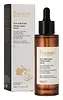
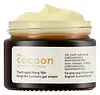
The Cocoon Vietnam Winter Melon Serum N7 Fight Pimples & Fade Dark Spots Versus The Cocoon Vietnam Hung Yen Tumeric Gel Cream
This acne serum is formulated around Niacinamide and Acetyl Glucosamine to clear breakouts and fade the look of dark spots.
This brightening moisturizer is formulated around Niacinamide and Hexylresorcinol to brighten dull-looking skin and fade the look of dark spots.

What's inside
What's inside
 Key Ingredients
Benefits
Concerns
Ingredients Side-by-side
Water
Skin ConditioningNiacinamide
Smoothing











Acetyl Glucosamine
Skin Conditioning
Ethoxydiglycol
HumectantPentylene Glycol
Skin Conditioning
Cocamidopropyl Dimethylamine
Emulsifying
Dimethyl Isosorbide
SolventButylene Glycol
Humectant
Benincasa Cerifera Fruit Extract
Skin ConditioningMadecassic Acid
Skin Conditioning
Asiatic Acid
Skin Conditioning
Asiaticoside
Antioxidant
Centella Asiatica Extract
Cleansing
Ferulic Acid
Antimicrobial
Salicylic Acid
Masking





Bisabolol
Antioxidant
Zinc PCA
Humectant
Phellodendron Amurense Bark Extract
Skin ConditioningGlycereth-26
Humectant
Hydroxyacetophenone
Antioxidant
Bis-PEG-18 Methyl Ether Dimethyl Silane
EmollientHydroxyethylcellulose
Emulsion StabilisingMelaleuca Alternifolia Leaf Oil
Antioxidant


Lavandula Angustifolia Flower Oil
Masking
Rosmarinus Officinalis Leaf Oil
Masking
Trisodium Ethylenediamine Disuccinate
ChelatingTromethamine
BufferingWater, Niacinamide, Acetyl Glucosamine, Ethoxydiglycol, Pentylene Glycol, Cocamidopropyl Dimethylamine, Dimethyl Isosorbide, Butylene Glycol, Benincasa Cerifera Fruit Extract, Madecassic Acid, Asiatic Acid, Asiaticoside, Centella Asiatica Extract, Ferulic Acid, Salicylic Acid, Bisabolol, Zinc PCA, Phellodendron Amurense Bark Extract, Glycereth-26, Hydroxyacetophenone, Bis-PEG-18 Methyl Ether Dimethyl Silane, Hydroxyethylcellulose, Melaleuca Alternifolia Leaf Oil, Lavandula Angustifolia Flower Oil, Rosmarinus Officinalis Leaf Oil, Trisodium Ethylenediamine Disuccinate, Tromethamine
Water
Skin ConditioningCoco-Caprylate/Caprate
Emollient
Dicaprylyl Carbonate
EmollientButylene Glycol
Humectant
Sodium Acrylates Copolymer
Niacinamide
Smoothing
Betaine
Humectant
Glycereth-26
Humectant
Oleyl Erucate
Emollient
Hexylresorcinol
Antimicrobial
Tetrahydrodiferuloylmethane
Antioxidant
Tetrahydrodemethoxydiferuloylmethane
Antioxidant
Tetrahydrobisdemethoxydiferuloylmethane
Antioxidant
Curcuma Longa Root Extract
Antioxidant
Curcuma Longa Root Oil
Perfuming
Curcuma Longa Root Powder
Skin ConditioningTetrahexyldecyl Ascorbate
Antioxidant
Ferulic Acid
Antimicrobial
Glycerin
Humectant
Propanediol
Solvent
Pentylene Glycol
Skin Conditioning
Caprylic/Capric Triglyceride
Masking
Daucus Carota Sativa Root Extract
Skin Conditioning
Lecithin
Emollient
Glycine Soja Oil
Emollient

Allantoin
Skin Conditioning
Beta-Carotene
Skin ConditioningEthylhexylglycerin
Skin ConditioningTocopherol
Antioxidant
Hydroxyacetophenone
Antioxidant
Trisodium Ethylenediamine Disuccinate
ChelatingCaramel
Cosmetic ColorantPhenoxyethanol
Preservative
Sodium Benzoate
Masking
Potassium Sorbate
Preservative
Water, Coco-Caprylate/Caprate, Dicaprylyl Carbonate, Butylene Glycol, Sodium Acrylates Copolymer, Niacinamide, Betaine, Glycereth-26, Oleyl Erucate, Hexylresorcinol, Tetrahydrodiferuloylmethane, Tetrahydrodemethoxydiferuloylmethane, Tetrahydrobisdemethoxydiferuloylmethane, Curcuma Longa Root Extract, Curcuma Longa Root Oil, Curcuma Longa Root Powder, Tetrahexyldecyl Ascorbate, Ferulic Acid, Glycerin, Propanediol, Pentylene Glycol, Caprylic/Capric Triglyceride, Daucus Carota Sativa Root Extract, Lecithin, Glycine Soja Oil, Allantoin, Beta-Carotene, Ethylhexylglycerin, Tocopherol, Hydroxyacetophenone, Trisodium Ethylenediamine Disuccinate, Caramel, Phenoxyethanol, Sodium Benzoate, Potassium Sorbate
Reviews
Ingredients Explained
These ingredients are found in both products.
Ingredients higher up in an ingredient list are typically present in a larger amount.
Butylene Glycol (or BG) is used within cosmetic products for a few different reasons:
Overall, Butylene Glycol is a safe and well-rounded ingredient that works well with other ingredients.
Though this ingredient works well with most skin types, some people with sensitive skin may experience a reaction such as allergic rashes, closed comedones, or itchiness.
Learn more about Butylene GlycolFerulic Acid is a plant based antioxidant that can be naturally found in the cell walls of grains like rice, oats, and corn. It has antioxidant and antimicrobial properties, and has the ability to boost the performance of other antioxidants as well.
A well-known study found that adding Ferulic Acid to a solution of Vitamins C and E doubled the photoprotection of skin. This is why you'll often see it paired with Vitamin C or Vitamin E serums rather than sold on its own.
A 2025 review of 18 human studies found that using Ferulic Acid (0.5-1%) daily for one to three months showed improvements in:
As far as allergies go, Ferulic acid is generally well-tolerated but can cause an allergic reaction in very rare cases. It's also worth noting that Ferulic acid is often extracted from plant sources like rice bran or wheat bran, so be sure to path test if you have known grain allergies.
Outside of skincare, researchers are also looking into Ferulic Acid for its potential benefits in areas like diabetes, Alzheimer's, and heart health.
Learn more about Ferulic AcidGlycereth-26 is a synthetic ingredient and polyethylene glycol ether of Glycerin. Glycerin is already naturally found in your skin and helps keep your skin moisturized.
It is a humectant and helps add texture to products. It can make your product thicker.
As a humectant, it helps draw moisture from the air to your skin. This helps your skin stay hydrated.
Learn more about Glycereth-26Hydroxyacetophenone is a small phenolic molecule that earns its place in a formulas as an antioxidant and preservative booster.
As a phenol, it is able to neutralize free radicals to protect both the product and the skin from oxidative stress.
Though it can't kill microbes on its own, it works as a good supporting agent when combined with other preservatives like Phenoxyethanol or 1,2-Hexanediol.
This ingredient naturally occurs as piceol in Norwegian spruce needles (~0.4-1.1% dry weight and in cloudberries). Though the cosmetic-grade material is synthesized for purity and consistency.
You'll usually see it used at low levels and suppliers recommend up to 1% added to a water phase.
Safety testing was done at concentrations like 0.05% in SPF products and 0.5% in a Human Repeated Insult Patch Test. The safety evidence is assuring; this ingredient is safe for cosmetics in current use and also holds safety status as a food flavoring as well.
An honest caveat: the "soothing" and "anti-inflammatory" claims come mostly from supplier marketing rather than published clinical trials. The Cosmetic Ingredient Review's own literature search found no useful efficacy studies on this ingredient.
So the antioxidant and preservative-boosting roles are the well supported ones while the calming benefit is plausible but thinly evidenced.
Overall, this is a well-tolerated, low-irritation multitasker that quietly helps a formula stay fresh and stable.
Learn more about HydroxyacetophenoneNiacinamide is a multitasking form of vitamin B3 that strengthens the skin barrier, reduces pores and dark spots, regulates oil, and improves signs of aging.
And the best part? It's gentle and well-tolerated by most skin types, including sensitive and reactive skin.
You might have heard of "niacin flush", or the reddening of skin that causes itchiness. Niacinamide has not been found to cause this.
In very rare cases, some individuals may not be able to tolerate niacinamide at all or experience an allergic reaction to it.
If you are experiencing flaking, irritation, and dryness with this ingredient, be sure to double check all your products as this ingredient can be found in all categories of skincare.
When incorporating niacinamide into your routine, look out for concentration amounts. Typically, 5% niacinamide provides benefits such as fading dark spots. However, if you have sensitive skin, it is better to begin with a smaller concentration.
When you apply niacinamide to your skin, your body converts it into nicotinamide adenine dinucleotide (NAD). NAD is an essential coenzyme that is already found in your cells as "fuel" and powers countless biological processes.
In your skin, NAD helps repair cell damage, produce new healthy cells, support collagen production, strengthen the skin barrier, and fight environmental stressors (like UV and pollution).
Our natural NAD levels start to decline with age, leading to slower skin repair, visible aging, and a weaker skin barrier. By providing your skin niacinamide, you're recharging your skin's NAD levels. This leads to stronger, healthier, and younger looking skin.
Another name for vitamin B3 is nicotinamide. This vitamin is water-soluble and our bodies don't store it. We obtain Vitamin B3 from either food or skincare. Meat, fish, wheat, yeast, and leafy greens contain vitamin B3.
The type of niacinamide used in skincare is synthetically created.
Learn more about NiacinamidePentylene Glycol (1,2-pentanediol) is a multitasking little diol with three main roles in a formula:
Research on alkanediols (the family pentylene glycol belongs to) show they work by disrupting microbial cell membranes. This disruption helps the primary preservative system in a product work more effectively at lower doses.
On the safety side, the Cosmetic Ingredient Review Expert Panel has concluded this ingredient to be safe as used in current cosmetic practices + concentrations.
Typical use levels in a formula run about 1-5%.
Learn more about Pentylene GlycolTrisodium Ethylenediamine Disuccinate is used to help stabilize a product.
It is a chelating agent, meaning it helps prevent metal ions from binding to other ingredients. This prevents unwanted reactions in products. Metal ions can come into a product via the water ingredient. They are found in trace amounts and are not known to be harmful.
Water. It's the most common cosmetic ingredient of all. You'll usually see it at the top of ingredient lists, meaning that it makes up the largest part of the product.
So why is it so popular? Water most often acts as a solvent - this means that it helps dissolve other ingredients into the formulation.
You'll also recognize water as that liquid we all need to stay alive. If you see this, drink a glass of water. Remember to stay hydrated!
Learn more about Water

