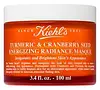
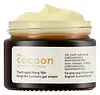
Kiehl's Turmeric & Cranberry Seed Energizing Radiance Mask Versus The Cocoon Vietnam Hung Yen Tumeric Gel Cream
This wash off mask is made with Kaolin for a rinse-off oil-control boost.
This brightening moisturizer is formulated around Niacinamide and Hexylresorcinol to brighten dull-looking skin and fade the look of dark spots.


What's inside
What's inside
 Key Ingredients
Benefits
Concerns
Ingredients Side-by-side
Water
Skin ConditioningKaolin
Abrasive



Sorbitol
Humectant

Bentonite
Absorbent
Butylene Glycol
Humectant
Silica
Abrasive
CI 77891
Cosmetic ColorantVaccinium Macrocarpon Seed
Abrasive
Pentylene Glycol
Skin Conditioning
1,2-Hexanediol
Skin Conditioning
Simmondsia Chinensis Seed Oil
Emollient



Caprylyl Glycol
Emollient
Xanthan Gum
EmulsifyingPolysorbate 60
Emulsifying
Polyacrylamide
CI 77492
Cosmetic ColorantGlycerin
Humectant
C13-14 Isoparaffin
Emollient
Curcuma Longa Root Extract
Antioxidant

Ascorbyl Glucoside
Antioxidant


Trisodium Ethylenediamine Disuccinate
Laureth-7
EmulsifyingEucalyptus Globulus Leaf Oil
Perfuming


Camellia Oleifera Leaf Extract
AstringentMentha Piperita Leaf Extract
Skin ConditioningMenthol
Masking

Epilobium Angustifolium Flower/Leaf/Stem Extract
Skin ConditioningAminomethyl Propanol
BufferingVaccinium Macrocarpon Seed Oil
Skin Conditioning
Water, Kaolin, Sorbitol, Bentonite, Butylene Glycol, Silica, CI 77891, Vaccinium Macrocarpon Seed, Pentylene Glycol, 1,2-Hexanediol, Simmondsia Chinensis Seed Oil, Caprylyl Glycol, Xanthan Gum, Polysorbate 60, Polyacrylamide, CI 77492, Glycerin, C13-14 Isoparaffin, Curcuma Longa Root Extract, Ascorbyl Glucoside, Trisodium Ethylenediamine Disuccinate, Laureth-7, Eucalyptus Globulus Leaf Oil, Camellia Oleifera Leaf Extract, Mentha Piperita Leaf Extract, Menthol, Epilobium Angustifolium Flower/Leaf/Stem Extract, Aminomethyl Propanol, Vaccinium Macrocarpon Seed Oil
Water
Skin ConditioningCoco-Caprylate/Caprate
Emollient
Dicaprylyl Carbonate
EmollientButylene Glycol
Humectant
Sodium Acrylates Copolymer
Niacinamide
Smoothing



Betaine
Humectant
Glycereth-26
Humectant
Oleyl Erucate
Emollient
Hexylresorcinol
Antimicrobial
Tetrahydrodiferuloylmethane
Antioxidant
Tetrahydrodemethoxydiferuloylmethane
Antioxidant
Tetrahydrobisdemethoxydiferuloylmethane
Antioxidant
Curcuma Longa Root Extract
Antioxidant
Curcuma Longa Root Oil
Perfuming
Curcuma Longa Root Powder
Skin ConditioningTetrahexyldecyl Ascorbate
Antioxidant
Ferulic Acid
Antimicrobial
Glycerin
Humectant
Propanediol
Solvent
Pentylene Glycol
Skin Conditioning
Caprylic/Capric Triglyceride
Masking
Daucus Carota Sativa Root Extract
Skin Conditioning
Lecithin
Emollient
Glycine Soja Oil
Emollient
Allantoin
Skin Conditioning
Beta-Carotene
Skin ConditioningEthylhexylglycerin
Skin ConditioningTocopherol
Antioxidant
Hydroxyacetophenone
Antioxidant
Trisodium Ethylenediamine Disuccinate
Caramel
Cosmetic ColorantPhenoxyethanol
Preservative
Sodium Benzoate
Masking
Potassium Sorbate
Preservative
Water, Coco-Caprylate/Caprate, Dicaprylyl Carbonate, Butylene Glycol, Sodium Acrylates Copolymer, Niacinamide, Betaine, Glycereth-26, Oleyl Erucate, Hexylresorcinol, Tetrahydrodiferuloylmethane, Tetrahydrodemethoxydiferuloylmethane, Tetrahydrobisdemethoxydiferuloylmethane, Curcuma Longa Root Extract, Curcuma Longa Root Oil, Curcuma Longa Root Powder, Tetrahexyldecyl Ascorbate, Ferulic Acid, Glycerin, Propanediol, Pentylene Glycol, Caprylic/Capric Triglyceride, Daucus Carota Sativa Root Extract, Lecithin, Glycine Soja Oil, Allantoin, Beta-Carotene, Ethylhexylglycerin, Tocopherol, Hydroxyacetophenone, Trisodium Ethylenediamine Disuccinate, Caramel, Phenoxyethanol, Sodium Benzoate, Potassium Sorbate
Reviews
Ingredients Explained
These ingredients are found in both products.
Ingredients higher up in an ingredient list are typically present in a larger amount.
Butylene Glycol (or BG) is used within cosmetic products for a few different reasons:
Overall, Butylene Glycol is a safe and well-rounded ingredient that works well with other ingredients.
Though this ingredient works well with most skin types, some people with sensitive skin may experience a reaction such as allergic rashes, closed comedones, or itchiness.
Learn more about Butylene GlycolCurcuma Longa Root Extract comes from the rhizome (underground stem) of the turmeric plant.
While the official EU Cosing Database lists this ingredient as a fragrance, it actually does more than give products a scent.
This ingredient contains a group of yellow pigments called curcuminoids (mostly curcumin) that give it genuine antioxidant and anti-inflammatory activity in skin.
Reviews of topical clinical studies have found turmeric/curcumin to be generally well-tolerated and useful across conditions like eczema and mild inflammation.
One thing working in its favor is that curcumin barely penetrates; in lab skin-permeation testing, the curcuminoids mostly stayed in the outermost layer of skin. This is a good thing because its soothing and antioxidant activity is a surface-level job anyway.
At this time, industry data shows there's no single "correct" cosmetic percentage. It's used across a wide range depending on the product and varies from tiny fractions of a percent up to a few percent.
Allergy-wise, curcumin is a documented (but uncommon) contact allergen. It can also cross react with related plants, so anyone with a turmeric/ginger/cinnamon allergy or reactive skin should patch test first.
Learn more about Curcuma Longa Root ExtractGlycerin (or glycerol) is a compound naturally found in your skin. It's a powerhouse humectant that pulls water into the stratum corneum.
Topically, glycerin does several things at once:
Your skin makes glycerin on its own (mostly from sebaceous oil breakdown) and shuttles it to your outermost layer of skin, or your epidermis, via aquaporin-3.
Aquaporin-3 is a transporter that is essential for normal skin hydration, elasticity, and repair. Interestingly, mice lacking in AQP3 have dry and less elastic skin that can be fully corrected with glycerin.
This ingredient is non-irritating, plays well with almost every ingredient, and works across all skin types. Typical use is anywhere between 3-10% but can go up to 79% in some leave-on products.
Just know very high concentrations (>40%) can feel tacky in low humidity.
Glycerin is the name for this ingredient in American English. British English uses Glycerol/Glycerine.
Learn more about GlycerinPentylene Glycol (1,2-pentanediol) is a multitasking little diol with three main roles in a formula:
Research on alkanediols (the family pentylene glycol belongs to) show they work by disrupting microbial cell membranes. This disruption helps the primary preservative system in a product work more effectively at lower doses.
On the safety side, the Cosmetic Ingredient Review Expert Panel has concluded this ingredient to be safe as used in current cosmetic practices + concentrations.
Typical use levels in a formula run about 1-5%.
Learn more about Pentylene GlycolTrisodium Ethylenediamine Disuccinate is used to help stabilize a product.
It is a chelating agent, meaning it helps prevent metal ions from binding to other ingredients. This prevents unwanted reactions in products. Metal ions can come into a product via the water ingredient. They are found in trace amounts and are not known to be harmful.
Water. It's the most common cosmetic ingredient of all. You'll usually see it at the top of ingredient lists, meaning that it makes up the largest part of the product.
So why is it so popular? Water most often acts as a solvent - this means that it helps dissolve other ingredients into the formulation.
You'll also recognize water as that liquid we all need to stay alive. If you see this, drink a glass of water. Remember to stay hydrated!
Learn more about Water

