The Body Shop Vitamin C Skin Boost Instant Smoother Versus Olehenriksen Banana Bright Vitamin C Serum
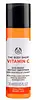
This brightening serum is formulated around Ascorbic Acid to brighten dull-looking skin and refine skin texture.
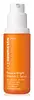
This brightening serum is formulated around 3-O-Ethyl Ascorbic Acid and Potassium Azeloyl Diglycinate to brighten dull-looking skin and fade the look of dark spots.


What's inside
What's inside
 Key Ingredients
Benefits
Concerns
Ingredients Side-by-side
Cyclopentasiloxane
Emollient
Dimethicone
Emollient
Cyclohexasiloxane
Emollient
Dimethicone Crosspolymer
Emulsion Stabilising
Synthetic Fluorphlogopite
Mica
Cosmetic ColorantHdi/Trimethylol Hexyllactone Crosspolymer
Ascorbic Acid
Antioxidant





Bertholletia Excelsa Seed Oil
Emollient




Tocopherol
Antioxidant



Glycerin
Humectant
Parfum
Masking


Ethylhexyl Hydroxystearate
Emollient
Polysilicone-11

Linalool
Perfuming
Limonene
Perfuming
Silica
Abrasive

Benzyl Benzoate
Antimicrobial
Citral
Perfuming
Water
Skin ConditioningHexyl Cinnamal
Perfuming
Myrciaria Dubia Fruit Extract
Skin ConditioningCitronellol
Perfuming
CI 77891
Cosmetic ColorantCyclopentasiloxane, Dimethicone, Cyclohexasiloxane, Dimethicone Crosspolymer, Synthetic Fluorphlogopite, Mica, Hdi/Trimethylol Hexyllactone Crosspolymer, Ascorbic Acid, Bertholletia Excelsa Seed Oil, Tocopherol, Glycerin, Parfum, Ethylhexyl Hydroxystearate, Polysilicone-11, Linalool, Limonene, Silica, Benzyl Benzoate, Citral, Water, Hexyl Cinnamal, Myrciaria Dubia Fruit Extract, Citronellol, CI 77891
Water
Skin ConditioningSqualane
Emollient
Dimethicone
Emollient
Cetearyl Alcohol
Emollient


Glycerin
Humectant
Caprylic/Capric Triglyceride
Masking
Isododecane
EmollientPolymethylsilsesquioxane
Mica
Cosmetic ColorantCoconut Alkanes
Emollient
CI 77891
Cosmetic ColorantSclerocarya Birrea Seed Oil
Humectant
Dilinoleic Acid/Propanediol Copolymer
Emollient3-O-Ethyl Ascorbic Acid
Skin Conditioning
Cetearyl Methicone
Skin Conditioning
Silica
Abrasive
Phenoxyethanol
Preservative
Cetearyl Glucoside
Emulsifying
Xylitylglucoside
Humectant
Dimethicone/Vinyltrimethylsiloxysilicate Crosspolymer
Anhydroxylitol
Humectant
Microcrystalline Cellulose
AbsorbentPotassium Cetyl Phosphate
EmulsifyingStevioside
MaskingPolysilicone-11
Coco-Caprylate/Caprate
Emollient
Hydroxyethyl Acrylate/Sodium Acryloyldimethyl Taurate Copolymer
Emulsion StabilisingAcrylates/C10-30 Alkyl Acrylate Crosspolymer
Emulsion StabilisingXylitol
Humectant
Tocopherol
Antioxidant
Parfum
Masking
Potassium Azeloyl Diglycinate
Skin Conditioning

CI 77491
Cosmetic ColorantDipotassium Glycyrrhizate
Humectant
Ethylhexylglycerin
Skin ConditioningGlucose
Humectant
Xanthan Gum
EmulsifyingSodium Citrate
BufferingCitrus Aurantium Dulcis Fruit Extract
MaskingCitrus Limon Fruit Extract
Masking
Hippophae Rhamnoides Extract
MaskingLycium Barbarum Fruit Extract
Astringent
Rosa Canina Fruit Extract
Astringent
Sodium Hydroxide
BufferingLeuconostoc/Radish Root Ferment Filtrate
Antimicrobial
Polysorbate 60
Emulsifying
Sorbitan Isostearate
Emulsifying
Ascorbic Acid
Antioxidant
Aroma
Sodium Chloride
MaskingCitral
Perfuming
Limonene
Perfuming
Linalool
Perfuming
Water, Squalane, Dimethicone, Cetearyl Alcohol, Glycerin, Caprylic/Capric Triglyceride, Isododecane, Polymethylsilsesquioxane, Mica, Coconut Alkanes, CI 77891, Sclerocarya Birrea Seed Oil, Dilinoleic Acid/Propanediol Copolymer, 3-O-Ethyl Ascorbic Acid, Cetearyl Methicone, Silica, Phenoxyethanol, Cetearyl Glucoside, Xylitylglucoside, Dimethicone/Vinyltrimethylsiloxysilicate Crosspolymer, Anhydroxylitol, Microcrystalline Cellulose, Potassium Cetyl Phosphate, Stevioside, Polysilicone-11, Coco-Caprylate/Caprate, Hydroxyethyl Acrylate/Sodium Acryloyldimethyl Taurate Copolymer, Acrylates/C10-30 Alkyl Acrylate Crosspolymer, Xylitol, Tocopherol, Parfum, Potassium Azeloyl Diglycinate, CI 77491, Dipotassium Glycyrrhizate, Ethylhexylglycerin, Glucose, Xanthan Gum, Sodium Citrate, Citrus Aurantium Dulcis Fruit Extract, Citrus Limon Fruit Extract, Hippophae Rhamnoides Extract, Lycium Barbarum Fruit Extract, Rosa Canina Fruit Extract, Sodium Hydroxide, Leuconostoc/Radish Root Ferment Filtrate, Polysorbate 60, Sorbitan Isostearate, Ascorbic Acid, Aroma, Sodium Chloride, Citral, Limonene, Linalool
Reviews
Ingredients Explained
These ingredients are found in both products.
Ingredients higher up in an ingredient list are typically present in a larger amount.
Ascorbic Acid is is pure Vitamin C and is the biologically active form used directly by skin.
Not only is vitamin C great for your overall health and immune system, but it also has plenty of benefits for your skin. It is best supported by academic literature for:
Topical vitamin C has been shown to help neutralize oxidative stress from UV and pollution, helping to improve photoaging and hyperpigmentation when used consistently.
One clinical study found that using 5% topical vitamin C for six months improved signs of photodamaged skin, both on the surface and in the deeper structural layers of the skin.
While vitamin C doesn’t replace sunscreen, studies show it can boost photoprotection when combined with Vitamin E and ferulic acid. These two ingredients help improve stability and protective effects.
The big downside of this ingredient is formulation difficulty. Vitamin C is prone to oxidation and doesn't penetrate the skin unless formulated correctly. Research found that vitamin C absorbs into the skin best at a low pH (< 3.5) with about 20% being the upper limit for effective absorption.
Skin levels can saturate after repeated application; this means your skin won’t keep absorbing more once it’s full of vitamin C. This is why more isn’t always better with vitamin C and why very high concentrations don’t necessarily give extra benefits.
Ascorbic acid generally works well with many skincare ingredients but can be irritating when combined with other active ingredients. Strong oxidizing acne treatments like benzoyl peroxide can reduce the effectiveness of vitamin C if they are used at the same time; they are often recommended for use at different times of day.
Read more about other types of Vitamin C:
Foods rich with vitamin C include oranges, strawberries, broccoli, bell peppers, and more. When consuming Vitamin C, your skin receives a portion of the nutrients.
Learn more about Ascorbic AcidCi 77891 is a white pigment from Titanium dioxide. It is naturally found in minerals such as rutile and ilmenite.
It's main function is to add a white color to cosmetics. It can also be mixed with other colors to create different shades.
Ci 77891 is commonly found in sunscreens due to its ability to block UV rays.
Learn more about CI 77891Citral is the molecule responsible for the fresh lemon scent in lemon, lime, and lemongrass. It is a fragrance ingredient that can be created from plant essential oils or synthetically.
Though Citral has documented antimicrobial activity against acne bacteria (which is where the marketing claims about it being good for acne-prone skin originate), real formulas use it at fragrance-level concentrations under 1% so there's likely no skin benefit.
You should know this ingredient is a known EU fragrance allergen.
Animal studies classifies this ingredient as a weak-to-moderate skin sensitizer and clinical patch testing on eczema patients confirmed it to be both a contact allergen and irritant.
The term 'citral' is a collective term for two geometric isomers: geranial/Citral A and neral/Citral B.
The term 'fragrance' is not regulated in many countries. In many cases, it is up to the brand to define this term. For instance, many brands choose to label themselves as "fragrance-free" because they are not using synthetic fragrances. However, their products may still contain ingredients such as essential oils that are considered a fragrance.
Learn more about CitralDimethicone is a type of synthetic silicone created from natural materials such as quartz. It is also known as polydimethylsiloxane.
What it does:
Dimethicone comes in different viscosities:
Depending on the viscosity, dimethicone has different properties.
Ingredients lists don't always show which type is used, so we recommend reaching out to the brand if you have questions about the viscosity.
This ingredient is unlikely to cause irritation because it does not get absorbed into skin. However, people with silicone allergies should be careful about using this ingredient.
Note: Dimethicone may contribute to pilling. This is because it is not oil or water soluble, so pilling may occur when layered with products. When mixed with heavy oils in a formula, the outcome is also quite greasy.
Learn more about DimethiconeGlycerin (or glycerol) is a compound naturally found in your skin. It's a powerhouse humectant that pulls water into the stratum corneum.
Topically, glycerin does several things at once:
Your skin makes glycerin on its own (mostly from sebaceous oil breakdown) and shuttles it to your outermost layer of skin, or your epidermis, via aquaporin-3.
Aquaporin-3 is a transporter that is essential for normal skin hydration, elasticity, and repair. Interestingly, mice lacking in AQP3 have dry and less elastic skin that can be fully corrected with glycerin.
This ingredient is non-irritating, plays well with almost every ingredient, and works across all skin types. Typical use is anywhere between 3-10% but can go up to 79% in some leave-on products.
Just know very high concentrations (>40%) can feel tacky in low humidity.
Glycerin is the name for this ingredient in American English. British English uses Glycerol/Glycerine.
Learn more about GlycerinLimonene is the compound that gives citrus peel its smell.
In skincare, it shows up as a standalone fragrance ingredient or as a natural compound of citrus and other essential oils.
You'll typically see this ingredient used in very small amounts; anything above 0.001% in a leave-on product or 0.01% in a rinse-off has to be named on the label in the EU. The citrus oils that carry it sit around 0.5-1% in a finished formula.
Fresh limonene is a weak allergen; the real issue is that it slowly reacts with air and then breaks down from oxidation to create hydroperoxides (which are strong sensitizers). This is why suppliers are required to keep the peroxide value below 20 mmol.
Positive reactions in people being investigated for eczema vary:
It's worth skipping if you have a known fragrance allergy or a compromised barrier, but the risk is low for most people.
Older or long-opened products are also more likely to bother you than fresh ones due to oxidation.
Learn more about LimoneneLinalool is a small, naturally occurring scent molecule found in plants like lavender, coriander, bergamot, and more.
It is one of the two most-used fragrance ingredients in cosmetics and added purely for smell. Since it's not used for a skin benefit, there's no "effective dose". Concentration depends on the fragrance load of the product.
The EU requires it to be named on the label above 0.001% in leave-on and 0.01% in rinse-off products.
Fresh linalool is a weak sensitizer but air exposure turns some of it into hydroperoxides, which are strong sensitizers. Those oxidation products are the actual allergy concern.
Patch-test clinics see positive reactions to linalool hydroperoxides in about 4% to 12% of dermatitis patients depending on country and test concentration.
Resassuringly, one analytical study found hydroperoxide levels in real fragranced products to be orders of magnitude below what induced sensitization in animal studies with no evidence of oxidation building up during normal storage.
The practical takeaway is that linalool is fine for most people but worth avoiding if you have a confirmed fragrance contact allergy or a badly compromised barrier.
Products stored a long time after opening are also the high-risk scenario since that is when oxidation happens.
The scent of linalool is described as floral, spicy tropical, and citrus-like.
Learn more about LinaloolMica is a naturally occurring mineral used to add shimmer and color in cosmetics. It can also help improve the texture of a product or give it an opaque, white/silver color.
Serecite is the name for very fine but ragged grains of mica.
This ingredient is often coated with metal oxides like titanium dioxide. Trace amounts of heavy metals may be found in mica, but these metals are not harmful in our personal products.
Mica has been used since prehistoric times throughout the world. Ancient Egyptian, Indian, Greek, Roman, Aztec, and Chinese civilizations have used mica.
Learn more about MicaParfum is a catch-all term for an ingredient or more that is used to give a scent to products.
Also called "fragrance", this ingredient can be a blend of hundreds of chemicals or plant oils. This means every product with "fragrance" or "parfum" in the ingredients list is a different mixture.
For instance, Habanolide is a proprietary trade name for a specific aroma chemical. When used as a fragrance ingredient in cosmetics, most aroma chemicals fall under the broad labeling category of “FRAGRANCE” or “PARFUM” according to EU and US regulations.
The term 'parfum' or 'fragrance' is not regulated in many countries. In many cases, it is up to the brand to define this term.
For instance, many brands choose to label themselves as "fragrance-free" because they are not using synthetic fragrances. However, their products may still contain ingredients such as essential oils that are considered a fragrance by INCI standards.
One example is Calendula flower extract. Calendula is an essential oil that still imparts a scent or 'fragrance'.
Depending on the blend, the ingredients in the mixture can cause allergies and sensitivities on the skin. Some ingredients that are known EU allergens include linalool and citronellol.
Parfum can also be used to mask or cover an unpleasant scent.
The bottom line is: not all fragrances/parfum/ingredients are created equally. If you are worried about fragrances, we recommend taking a closer look at an ingredient. And of course, we always recommend speaking with a professional.
Learn more about ParfumPolysilicone-11 is a film-forming silicone that creates a non-tacky and matte finish on the skin. It's commonly used to improve texture, absorb excess oil, and help active ingredients spread evenly.
Due to its "rubber-like" structure, it stays on the skin's surface instead of being absorbed. On the skin, it creates a flexible layer that enhances wearability and stability.
Silica, also known as silicon dioxide, is a naturally occurring mineral. It is used as a fine, spherical, and porous powder in cosmetics.
Though it has exfoliant properties, the function of silica varies depending on the product.
The unique structure of silica enhances the spreadability and adds smoothness, making it a great texture enhancer.
It is also used as an active carrier, emulsifier, and mattifier due to its ability to absorb excess oil.
In some products, tiny microneedles called spicules are made from silica or hydrolyzed sponge. When you rub them in, they lightly polish away dead skin layers and enhance the penetration of active ingredients.
Learn more about SilicaTocopherol is a fat-soluble antioxidant known as Vitamin E.
You'll find this ingredient in the vast majority of skincare (for good reason). It works to neutralize free radicals, or unstable molecules generated by UV exposure, pollution, and other environmental stressors, before they can cause oxidative damage to your skin cells.
Topically applied tocopherol has been shown to protect against UV damage by ramping up the skin's own natural defense enzymes.
It also acts as a skin conditioning agent; some studies show that regular topical use can improve the skin's water-binding capacity over 2-4 weeks.
This ingredient is especially loved for being a team player. When combined with Vitamin C, the photoprotective effect of both ingredients roughly doubles and the combo also helps reduce UV-induced DNA damage.
This ingredient has some brightening potential but it's more of a prevention ingredient than spot-fader. Cell studies show it can slow down melanin production but it's worth noting that it's not the most powerful brightener out there.
In formulations, it also serves as a stabilizer that helps protect other oxidation-prone ingredients from degrading.
Concentrations usually range from 0.1-1% in most leave-on products.
Learn more about TocopherolWater. It's the most common cosmetic ingredient of all. You'll usually see it at the top of ingredient lists, meaning that it makes up the largest part of the product.
So why is it so popular? Water most often acts as a solvent - this means that it helps dissolve other ingredients into the formulation.
You'll also recognize water as that liquid we all need to stay alive. If you see this, drink a glass of water. Remember to stay hydrated!
Learn more about Water

