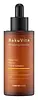
This anti-aging ampoule is formulated around Niacinamide and Centella Asiatica Extract to soften the look of wrinkles and refine skin texture.
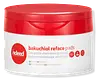
This anti-aging treatment pad uses a pre-saturated pad with Niacinamide and Bakuchiol to soften the look of wrinkles and refine skin texture.


What's inside
What's inside
 Key Ingredients
Benefits
Concerns
Ingredients Side-by-side
Water
Skin ConditioningMethylpropanediol
SolventGlycerin
Humectant


1,2-Hexanediol
Skin Conditioning
Niacinamide
Smoothing









Caprylic/Capric Triglyceride
Masking
Polyglycerin-3
Humectant
Propanediol
Solvent
Centella Asiatica Extract
Cleansing
Ficus Carica Fruit Extract
Humectant
Phellodendron Amurense Bark Extract
Skin ConditioningAstragalus Membranaceus Root Extract
Emollient
Poria Cocos Extract
Skin ConditioningMagnolia Sieboldii Extract
Skin ConditioningMagnolia Liliflora Flower Extract
Skin ConditioningCnidium Officinale Root Extract
Skin ConditioningBenincasa Cerifera Seed Extract
Skin ConditioningPrunus Persica Kernel Extract
MoisturisingAvena Sativa Kernel Extract
Abrasive

Cynara Scolymus Leaf Extract
Skin ConditioningMalt Extract
Skin ProtectingCamellia Sinensis Leaf Water
Masking
Hydrogenated Lecithin
Emulsifying
Sodium Hyaluronate
Humectant
Phenyl Trimethicone
Skin Conditioning
Butylene Glycol
Humectant
Bakuchiol
Antimicrobial
Ammonium Acryloyldimethyltaurate/Vp Copolymer
Xanthan Gum
EmulsifyingCarbomer
Emulsion StabilisingTocopherol
Antioxidant
Adenosine
Skin Conditioning
Disodium EDTA
Sodium Polyacrylate
Absorbent
Pvm/Ma Copolymer
Emulsion StabilisingTromethamine
BufferingSorbitan Laurate
Emulsifying

Polyquaternium-51
Skin Conditioning
Beta-Glucan
Skin Conditioning
Hydroxyethylcellulose
Emulsion StabilisingAcetyl Dipeptide-1 Cetyl Ester
Skin Conditioning
Ceramide NP
Skin Conditioning
Palmitoyl Pentapeptide-4
Skin Conditioning
Ascorbic Acid Polypeptide
Antioxidant
3-O-Ethyl Ascorbic Acid
Skin Conditioning
Ethylhexylglycerin
Skin ConditioningWater, Methylpropanediol, Glycerin, 1,2-Hexanediol, Niacinamide, Caprylic/Capric Triglyceride, Polyglycerin-3, Propanediol, Centella Asiatica Extract, Ficus Carica Fruit Extract, Phellodendron Amurense Bark Extract, Astragalus Membranaceus Root Extract, Poria Cocos Extract, Magnolia Sieboldii Extract, Magnolia Liliflora Flower Extract, Cnidium Officinale Root Extract, Benincasa Cerifera Seed Extract, Prunus Persica Kernel Extract, Avena Sativa Kernel Extract, Cynara Scolymus Leaf Extract, Malt Extract, Camellia Sinensis Leaf Water, Hydrogenated Lecithin, Sodium Hyaluronate, Phenyl Trimethicone, Butylene Glycol, Bakuchiol, Ammonium Acryloyldimethyltaurate/Vp Copolymer, Xanthan Gum, Carbomer, Tocopherol, Adenosine, Disodium EDTA, Sodium Polyacrylate, Pvm/Ma Copolymer, Tromethamine, Sorbitan Laurate, Polyquaternium-51, Beta-Glucan, Hydroxyethylcellulose, Acetyl Dipeptide-1 Cetyl Ester, Ceramide NP, Palmitoyl Pentapeptide-4, Ascorbic Acid Polypeptide, 3-O-Ethyl Ascorbic Acid, Ethylhexylglycerin
Water
Skin ConditioningNiacinamide
Smoothing
Caprylyl/Capryl Glucoside
CleansingBakuchiol
Antimicrobial
Hydroxyacetophenone
Antioxidant
Phenoxyethanol
Preservative
Allantoin
Skin Conditioning
Heptyl Glucoside
SurfactantSodium Benzoate
Masking
Sodium Cocoyl Glutamate
Cleansing
Ethylhexylglycerin
Skin ConditioningCitric Acid
Buffering
Glyceryl Caprylate
EmollientPolyglyceryl-6 Oleate
Emulsifying
Disodium EDTA
Sodium Hydroxide
BufferingSodium Surfactin
CleansingHeptanol
Perfuming
Water, Niacinamide, Caprylyl/Capryl Glucoside, Bakuchiol, Hydroxyacetophenone, Phenoxyethanol, Allantoin, Heptyl Glucoside, Sodium Benzoate, Sodium Cocoyl Glutamate, Ethylhexylglycerin, Citric Acid, Glyceryl Caprylate, Polyglyceryl-6 Oleate, Disodium EDTA, Sodium Hydroxide, Sodium Surfactin, Heptanol
Reviews
Ingredients Explained
These ingredients are found in both products.
Ingredients higher up in an ingredient list are typically present in a larger amount.
Bakuchiol is a plant-derived antioxidant from the seeds of the Psoralea corylifolia plant. It has antimicrobial, emollient, skin conditioning, and antioxidant properties.
You'll likely see it called a "retinol replacement" but the two are technically not related. This is because bakuchiol is able to flip many of the same switches in your skin cells to tell them to:
1) produce more collagen (type I, III, and IV)
2) activate the same genes retinoids do
Unlike retinoids, this ingredient will not increase photosensitivity and is safe to use during pregnancy (but please still check in with your doctor!).
The flagship clinical trial from Dhaliwal et al. 2019 found 0.5% bakuchiol (twice daily) and 0.5% retinol (once daily) reduced wrinkles and hyperpigmentation equally, but bakuchiol had significantly less irritation.
Systematic reviews also back this up:
Bakuchiol is comparable to retinol for photoaging but with better tolerability. It also has mild antibacterial properties against Cutibacterium acnes and antifungal activity in vitro against Candida and dermatophytes.
The reason bakuchiol works well is due to its structure; it is a meroterpene phenol, or a hybrid molecule. The phenol half acts as an antioxidant while the terpene half is fat-loving. This helps the molecule slip through the skin barrier.
This ingredient is usually used between 0.5-2%. Only one case of contact dermatitis has ever been reported for this ingredient.
Learn more about BakuchiolDisodium EDTA is a chelating agent. It grabs onto and deactivates metal ions that sneak into your products from water, packaging, or air.
This ingredient mainly works behind the scenes and helps with:
On top of that, this ingredient can counteract the effects of hard water by binding to the minerals in it.
One thing worth knowing is that Disodium EDTA has been shown to be a mild penetration enhancer. It can help other ingredients absorb into skin more effectively which can be a double-edged sword (great for actives, but can also make the active too strong if you have sensitive skin).
Clinical patch testing showed no significant skin irritation at typical use concentrations and minimal dermal absorption.
You'll most likely see this ingredient near the end of an ingredient list. It's typically found in concentrations less than 1%.
Learn more about Disodium EDTAEthylhexylglycerin is created from glycerin. It is a multitasker ingredient that:
The CIR Expert Panel found minimal skin absorption or sensitization of any kind in a safety assessment. Though this ingredient is considered well-tolerated, a small number of cases of allergic dermatitis have been published since 2002. Just be sure to patch test if you are unsure.
Industry-reported use ranges from 8% in rinse-off products and 2% in leave-on formulations.
Learn more about EthylhexylglycerinNiacinamide is a multitasking form of vitamin B3 that strengthens the skin barrier, reduces pores and dark spots, regulates oil, and improves signs of aging.
And the best part? It's gentle and well-tolerated by most skin types, including sensitive and reactive skin.
You might have heard of "niacin flush", or the reddening of skin that causes itchiness. Niacinamide has not been found to cause this.
In very rare cases, some individuals may not be able to tolerate niacinamide at all or experience an allergic reaction to it.
If you are experiencing flaking, irritation, and dryness with this ingredient, be sure to double check all your products as this ingredient can be found in all categories of skincare.
When incorporating niacinamide into your routine, look out for concentration amounts. Typically, 5% niacinamide provides benefits such as fading dark spots. However, if you have sensitive skin, it is better to begin with a smaller concentration.
When you apply niacinamide to your skin, your body converts it into nicotinamide adenine dinucleotide (NAD). NAD is an essential coenzyme that is already found in your cells as "fuel" and powers countless biological processes.
In your skin, NAD helps repair cell damage, produce new healthy cells, support collagen production, strengthen the skin barrier, and fight environmental stressors (like UV and pollution).
Our natural NAD levels start to decline with age, leading to slower skin repair, visible aging, and a weaker skin barrier. By providing your skin niacinamide, you're recharging your skin's NAD levels. This leads to stronger, healthier, and younger looking skin.
Another name for vitamin B3 is nicotinamide. This vitamin is water-soluble and our bodies don't store it. We obtain Vitamin B3 from either food or skincare. Meat, fish, wheat, yeast, and leafy greens contain vitamin B3.
The type of niacinamide used in skincare is synthetically created.
Learn more about NiacinamideWater. It's the most common cosmetic ingredient of all. You'll usually see it at the top of ingredient lists, meaning that it makes up the largest part of the product.
So why is it so popular? Water most often acts as a solvent - this means that it helps dissolve other ingredients into the formulation.
You'll also recognize water as that liquid we all need to stay alive. If you see this, drink a glass of water. Remember to stay hydrated!
Learn more about Water

