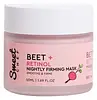
This anti-aging overnight mask is formulated around Hydroxypinacolone Retinoate to soften the look of wrinkles and refine skin texture.
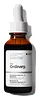
This anti-aging serum is formulated around Hydroxypinacolone Retinoate and Retinol to soften the look of wrinkles and refine skin texture.


What's inside
What's inside
 Key Ingredients
Benefits
Concerns
Ingredients Side-by-side
Water
Skin ConditioningButylene Glycol
Humectant

Glycerin
Humectant
Hydrogenated Polydecene
EmollientCetearyl Olivate


1,2-Hexanediol
Skin Conditioning
Cetearyl Alcohol
Emollient




Cetyl Ethylhexanoate
EmollientSorbitan Olivate
Emulsifying
Synthetic Beeswax
Emulsion Stabilising
Beta Vulgaris Root Extract
Skin ConditioningHydroxypinacolone Retinoate
Skin Conditioning






Hyaluronic Acid
Humectant
Hydrolyzed Hyaluronic Acid
Humectant
Sodium Hyaluronate
Humectant
Squalane
Emollient
Cannabis Sativa Seed Oil
Emollient
Camellia Japonica Flower Extract
EmollientLavandula Angustifolia Flower Extract
Cleansing

Nelumbo Nucifera Flower Extract
Skin ConditioningTocopherol
Antioxidant


Prunus Avium Fruit Extract
Skin ConditioningCoccinia Indica Fruit Extract
Skin Conditioning
Eclipta Prostrata Extract
Skin Conditioning
Ficus Carica Fruit Extract
Humectant
Apium Graveolens Extract
Skin ConditioningEthylhexylglycerin
Skin ConditioningGlyceryl Stearate
Emollient
Propanediol
Solvent
Carbomer
Emulsion StabilisingTromethamine
BufferingCaprylic/Capric Triglyceride
Masking
Dimethyl Isosorbide
SolventGlyceryl Glucoside
Humectant
Parfum 100%
Masking

Water, Butylene Glycol, Glycerin, Hydrogenated Polydecene, Cetearyl Olivate, 1,2-Hexanediol, Cetearyl Alcohol, Cetyl Ethylhexanoate, Sorbitan Olivate, Synthetic Beeswax, Beta Vulgaris Root Extract, Hydroxypinacolone Retinoate, Hyaluronic Acid, Hydrolyzed Hyaluronic Acid, Sodium Hyaluronate, Squalane, Cannabis Sativa Seed Oil, Camellia Japonica Flower Extract, Lavandula Angustifolia Flower Extract, Nelumbo Nucifera Flower Extract, Tocopherol, Prunus Avium Fruit Extract, Coccinia Indica Fruit Extract, Eclipta Prostrata Extract, Ficus Carica Fruit Extract, Apium Graveolens Extract, Ethylhexylglycerin, Glyceryl Stearate, Propanediol, Carbomer, Tromethamine, Caprylic/Capric Triglyceride, Dimethyl Isosorbide, Glyceryl Glucoside, Parfum 100%
Water
Skin ConditioningGlycerin
Humectant
Caprylic/Capric Triglyceride
Masking
Ethyl Linoleate
Emollient
Propanediol
Solvent
Dimethyl Isosorbide
SolventCetearyl Isononanoate
Emollient
Bisabolol
Antioxidant
Hydroxypinacolone Retinoate
Skin Conditioning
Retinol
Skin Conditioning
Tasmannia Lanceolata Fruit/Leaf Extract
Antioxidant
Inulin Lauryl Carbamate
Emulsion StabilisingGlyceryl Stearate
Emollient
Ceteareth-12
EmulsifyingCeteareth-20
CleansingCetearyl Alcohol
Emollient
Carrageenan
Xanthan Gum
EmulsifyingAcacia Senegal Gum
MaskingCetyl Palmitate
Emollient
Sucrose Laurate
Emollient
Polysorbate 20
Emulsifying
Isoceteth-20
EmulsifyingRosmarinus Officinalis Leaf Extract
AntimicrobialHydroxymethoxyphenyl Decanone
Skin ConditioningBehentrimonium Chloride
Preservative
Trisodium Ethylenediamine Disuccinate
Disodium EDTA
Dehydroacetic Acid
Preservative
Benzoic Acid
Masking
Ethylhexylglycerin
Skin ConditioningPhenoxyethanol
Preservative
Chlorphenesin
Antimicrobial
Water, Glycerin, Caprylic/Capric Triglyceride, Ethyl Linoleate, Propanediol, Dimethyl Isosorbide, Cetearyl Isononanoate, Bisabolol, Hydroxypinacolone Retinoate, Retinol, Tasmannia Lanceolata Fruit/Leaf Extract, Inulin Lauryl Carbamate, Glyceryl Stearate, Ceteareth-12, Ceteareth-20, Cetearyl Alcohol, Carrageenan, Xanthan Gum, Acacia Senegal Gum, Cetyl Palmitate, Sucrose Laurate, Polysorbate 20, Isoceteth-20, Rosmarinus Officinalis Leaf Extract, Hydroxymethoxyphenyl Decanone, Behentrimonium Chloride, Trisodium Ethylenediamine Disuccinate, Disodium EDTA, Dehydroacetic Acid, Benzoic Acid, Ethylhexylglycerin, Phenoxyethanol, Chlorphenesin
Reviews
Ingredients Explained
These ingredients are found in both products.
Ingredients higher up in an ingredient list are typically present in a larger amount.
Caprylic/Capric Triglyceride (aka MCT Oil) is a lightweight emollient, solvent, and texture enhancer. It is considered a skin-softener by helping to prevent moisture loss.
Though it behaves like an oil, it is not technically one due to its chemical composition. One perk of this ingredient is that it is very stable, resistant to oxidation, and unlikely to go rancid.
In practice, that translates to a long shelf life and a consistently elegant skin feel.
While there is an assumption Caprylic Triglyceride can clog pores due to it being derived from coconut oil, there is no research supporting this. Just patch test if you have concerns.
Fractionated coconut oil and MCT Oil are both listed as Caprylic/Capric Triglyceride according to INCI. This is because INCI names are based on the ingredient’s final chemical composition and not its marketing name or source.
This ingredient is treated as the gold standard fungal acne safe oil. Even though it is coconut derived, the problematic lauric acid is stripped out.
This leaves just caprylic (C8) and capric (C10) acid. These chain lengths actually trend antifungal; a 2020 study found caprylic acid was enough to disrupt Malassezia furfur cell membrane, with a caprylic acid derivative damaging membrane structures at concentrations as low as 0.2%.
Learn more about Caprylic/Capric TriglycerideCetearyl alcohol is a waxy mixture of two fatty alcohols: cetyl alcohol and stearyl alcohol. It is an emollient and emulsifier.
Despite having "alcohol" in its name, it has nothing to do with drying solvent alcohols; the FDA also allows "alcohol-free" products to contain fatty alcohols like this ingredient.
It plays several roles in a formula:
Typical use levels for this ingredient sit around 1-10% and the Cosmetic Ingredient Review Expert Panel has affirmed safety at concentrations up to 25% in leave-on products.
Multiple assessments have found it to be non-irritating and non-sensitizing to most people.
However, there have been some cases of allergic contact dermatitis in patients with chronically compromised skin barriers.
Cetearyl alcohol has a comedogenic rating of 2 and irritancy rating of 1. Both of these numbers come from the 1989 study that used rabbit ears; a "2" means mildly comedogenic and a "1" means low irritancy.
Here's the catch: rabbit skin is more sensitive than human skin and throws a lot of false positives. A 1996 reappraisal found that ingredients rated 1-2 in the rabbit ear tests are generally safe for humans.
Remember comedogenic ratings are unable to assess the entire formula of a product or how it will react on your skin. Just be sure to patch test if you are unsure about certain ingredients.
This ingredient is not fungal acne safe. Cetearyl alcohol is a fatty alcohol with chain lengths that fall within the range that Malassezia can metabolize.
A 2019 study has also observed Malassezia growth in the presence of this ingredient, confirming it to be not-fungal acne safe.
Learn more about Cetearyl AlcoholDimethyl Isosorbide (often shortened to DMI) is a sugar-derived solvent made from sorbitol. It's used to dissolve tricky ingredients and help them mix smoothly into a formula.
Many actives sit as gritty crystals when undissolved, so DMI swoops in to full dissolve them. This helps improve texture, stability, and how evenly an active is distributed.
It does have a penetration-enhancing reputation that is a bit more nuanced than marketing suggests; a cell study on human skin found that 10% DMI didn't significantly boost the permeation of Hydroquinone, Salicylic Acid, or Octadecenedioic Acid compared to controls (though it did improve their solubility in the formula itself).
Typical usage concentrations usually range from 1-10% depending on the formula's needs; this ingredient is also well tolerated at these levels.
Learn more about Dimethyl IsosorbideEthylhexylglycerin is created from glycerin. It is a multitasker ingredient that:
The CIR Expert Panel found minimal skin absorption or sensitization of any kind in a safety assessment. Though this ingredient is considered well-tolerated, a small number of cases of allergic dermatitis have been published since 2002. Just be sure to patch test if you are unsure.
Industry-reported use ranges from 8% in rinse-off products and 2% in leave-on formulations.
Learn more about EthylhexylglycerinGlycerin (or glycerol) is a compound naturally found in your skin. It's a powerhouse humectant that pulls water into the stratum corneum.
Topically, glycerin does several things at once:
Your skin makes glycerin on its own (mostly from sebaceous oil breakdown) and shuttles it to your outermost layer of skin, or your epidermis, via aquaporin-3.
Aquaporin-3 is a transporter that is essential for normal skin hydration, elasticity, and repair. Interestingly, mice lacking in AQP3 have dry and less elastic skin that can be fully corrected with glycerin.
This ingredient is non-irritating, plays well with almost every ingredient, and works across all skin types. Typical use is anywhere between 3-10% but can go up to 79% in some leave-on products.
Just know very high concentrations (>40%) can feel tacky in low humidity.
Glycerin is the name for this ingredient in American English. British English uses Glycerol/Glycerine.
Learn more about GlycerinGlyceryl Stearate is made by reacting glycerin with stearic acid (typically sourced from plant oils like palm or coconut). It's an emulsifier, emollient, and mild occlusive.
Emulsifiers help ingredients like oil and water stay mixed so your formula stays nicely blended and uniform in texture.
This ingredient is typically used in concentrations between 1-10%. Studies have found it to be non-sensitizing, non-phototoxic, and non-photoallergenic.
A close cousin of this ingredient is Glyceryl Stearate SE ("self-emulsifying"). This just has a small amount of sodium or potassium stearate added so it can emulsify without a co-emulsifier.
Since this ingredient is an ester of a C18 fatty acid, it may not be fungal acne safe. The Malassezia yeast can potentially metabolize within the C11-C24 range.
Fun fact: The human body also creates Glyceryl Stearate naturally.
Learn more about Glyceryl StearateHydroxypinacolone Retinoate (aka Granactive Retinoid or HPR) is a retinoid that is part of the same vitamin A family as retinol.
It is an ester of retinoic acid that binds directly to your skin's retinoic acid receptors so it doesn't need your skin to convert it through several steps before it can do anything.
In practice, this means it does the classic retinoid jobs in a formula:
The best part is that it can do all this with noticeably less redness, flaking, and stinging than traditional retinoids.
That gentle reputation is backed by lab work as well; a 2018 study on skin models found that HPR triggered higher retinoid-gene activity than retinol, retinal, or retinyl propionate at the same concentrations while being less irritating to cells.
It also boosted procollagen production to levels similar to retinoic acid itself.
A 2023 study showed HPR works synergistically with retinyl propionate to switch on collagen-building pathways and a 2025 clinical serum study in women with mild photoaging saw improvements in wrinkles and elasticity (though that formula also contained retinol, peptides, and Silybin).
One naming quirk worth mentioning:
You'll likely see this ingredient sold under the trade name "Granactive Retinoid", which is actually only 10% HPR blended with 90% Dimethyl Isosorbide solvent. This means a 5% Granactive Retinoid really only means about 0.5% HPR.
Finished products typically land somewhere between 0.05-1% and it's happiest formulated at a mildly acidic to neutral pH (~5.5-6.5).
Another perk is that this is one of the more light- and temperature-stable retinoids which is a nice bonus for shelf life.
Learn more about Hydroxypinacolone RetinoatePropanediol is an all-star ingredient. It softens, hydrates, and smooths the skin.
It’s often used to:
Propanediol is not likely to cause sensitivity and considered safe to use. It is derived from corn or petroleum with a clear color and no scent.
Learn more about PropanediolWater. It's the most common cosmetic ingredient of all. You'll usually see it at the top of ingredient lists, meaning that it makes up the largest part of the product.
So why is it so popular? Water most often acts as a solvent - this means that it helps dissolve other ingredients into the formulation.
You'll also recognize water as that liquid we all need to stay alive. If you see this, drink a glass of water. Remember to stay hydrated!
Learn more about Water

