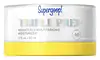
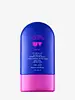
Supergoop! Triple Prep Weightless Multitasking Moisturizer SPF 40 Face Sunscreen Versus Ultra Violette Future Mineral Skinscreen SPF 50
This chemical sunscreen covers most of the UV range, lighter on the deep UVA that drives aging.
This hybrid sunscreen covers the full UV range and blocks ~98% of UVB at SPF 50.


What's inside
What's inside
 Key Ingredients
Benefits
Concerns
Ingredients Side-by-side
Butyl Methoxydibenzoylmethane 3%
UV Absorber
Homosalate 7%
Skin Conditioning
Ethylhexyl Salicylate 5%
UV Absorber
Octocrylene 6%
UV Absorber

Water
Skin ConditioningIsododecane
EmollientButyloctyl Salicylate
Skin Conditioning
Calcium Aluminum Borosilicate
Glycerin
Humectant


Polymethylsilsesquioxane

Polyglycerin-3
Humectant
Polyglyceryl-3 Lactate/Laurate
CleansingAmmonium Acryloyldimethyltaurate/Vp Copolymer
Ectoin
Skin Conditioning



Acrylates Crosspolymer
AbsorbentGluconolactone
Chelating





Arginine
Masking
Butylene Glycol
Humectant
Sodium Benzoate
Masking
Polyacrylate Crosspolymer-6
Emulsion StabilisingBisabolol
Antioxidant
Tocopherol
Antioxidant

Citric Acid
Buffering

Niacinamide
Smoothing
Sodium Dilauramidoglutamide Lysine
HumectantSodium Hyaluronate
Humectant
Calcium Gluconate
HumectantSodium Polyglutamate
HumectantHydrolyzed Rhodophyceae Extract
Butyl Methoxydibenzoylmethane 3%, Homosalate 7%, Ethylhexyl Salicylate 5%, Octocrylene 6%, Water, Isododecane, Butyloctyl Salicylate, Calcium Aluminum Borosilicate, Glycerin, Polymethylsilsesquioxane, Polyglycerin-3, Polyglyceryl-3 Lactate/Laurate, Ammonium Acryloyldimethyltaurate/Vp Copolymer, Ectoin, Acrylates Crosspolymer, Gluconolactone, Arginine, Butylene Glycol, Sodium Benzoate, Polyacrylate Crosspolymer-6, Bisabolol, Tocopherol, Citric Acid, Niacinamide, Sodium Dilauramidoglutamide Lysine, Sodium Hyaluronate, Calcium Gluconate, Sodium Polyglutamate, Hydrolyzed Rhodophyceae Extract
Water
Skin ConditioningZinc Oxide
Cosmetic Colorant
Diisopropyl Adipate
EmollientCoco-Caprylate/Caprate
Emollient
Ethylhexyl Methoxycrylene
Skin Conditioning
C12-15 Alkyl Benzoate
AntimicrobialGlyceryl Oleate Citrate
Emulsifying
Propanediol
Solvent
Decyl Glucoside
Cleansing
Polyglyceryl-4 Isostearate
Emulsifying
Squalane
Emollient
Aluminum Starch Octenylsuccinate
Absorbent
Caprylic/Capric Triglyceride
Masking
Triethoxycaprylylsilane
Magnesium Aluminum Silicate
Absorbent
Saccharide Isomerate
Humectant
Citric Acid
Buffering
Sodium Citrate
BufferingHydroxyacetophenone
Antioxidant
Potassium Cetyl Phosphate
EmulsifyingTocopheryl Acetate
Antioxidant
Phenoxyethanol
Preservative
CI 77492
Cosmetic ColorantPolyhydroxystearic Acid
Emulsifying
Ammonium Polyacryloyldimethyl Taurate
Emulsion StabilisingCI 77491
Cosmetic ColorantCI 77499
Cosmetic ColorantLactic Acid
Buffering
Sodium Hydroxide
BufferingWater, Zinc Oxide, Diisopropyl Adipate, Coco-Caprylate/Caprate, Ethylhexyl Methoxycrylene, C12-15 Alkyl Benzoate, Glyceryl Oleate Citrate, Propanediol, Decyl Glucoside, Polyglyceryl-4 Isostearate, Squalane, Aluminum Starch Octenylsuccinate, Caprylic/Capric Triglyceride, Triethoxycaprylylsilane, Magnesium Aluminum Silicate, Saccharide Isomerate, Citric Acid, Sodium Citrate, Hydroxyacetophenone, Potassium Cetyl Phosphate, Tocopheryl Acetate, Phenoxyethanol, CI 77492, Polyhydroxystearic Acid, Ammonium Polyacryloyldimethyl Taurate, CI 77491, CI 77499, Lactic Acid, Sodium Hydroxide
Reviews
Ingredients Explained
These ingredients are found in both products.
Ingredients higher up in an ingredient list are typically present in a larger amount.
Citric Acid is an alpha hydroxy acid (AHA) naturally found in citrus fruits like oranges, lemons, and limes.
Like other AHAs, citric acid can exfoliate skin by breaking down the bonds that hold dead skin cells together. This helps reveal smoother and brighter skin underneath.
However, this exfoliating effect only happens at high concentrations (20%) which can be hard to find in cosmetic products.
Due to this, citric acid is usually included in small amounts as a pH adjuster. This helps keep products slightly more acidic and compatible with skin's natural pH.
In skincare formulas, citric acid can:
While it can provide some skin benefits, research shows lactic acid and glycolic acid are generally more effective and less irritating exfoliants.
Most citric acid used in skincare today is made by fermenting sugars (usually from molasses). This synthetic version is identical to the natural citrus form but easier to stabilize and use in formulations.
Rosacea skin has a lower threshold for acids generally, with 62.5% of rosacea subjects in one study reacting to lactic acid in a sting test. This is why we mark citric acid as a potential rosacea trigger.
However, this ingredient shows up as a pH adjuster or chelator at roughly 0.1-1% in many products. These low levels are unlikely to be an issue for rosacea skin and becomes a potential trigger at exfoliating concentrations (20%). Because everybody's skin is unique, we recommend a patch test if you are unsure.
Learn more about Citric AcidWater. It's the most common cosmetic ingredient of all. You'll usually see it at the top of ingredient lists, meaning that it makes up the largest part of the product.
So why is it so popular? Water most often acts as a solvent - this means that it helps dissolve other ingredients into the formulation.
You'll also recognize water as that liquid we all need to stay alive. If you see this, drink a glass of water. Remember to stay hydrated!
Learn more about Water

