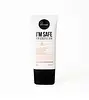
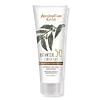
Suntique I'm Safe For Sensitive Skin SPF 35 PA+++ Versus Australian Gold Botanical SPF 50 Tinted Face


What's inside
What's inside
 Key Ingredients
Benefits
Concerns
Ingredients Side-by-side
Water
Skin ConditioningPropanediol
Solvent
CI 77891
Cosmetic ColorantPhenyl Trimethicone
Skin Conditioning
Dicaprylyl Carbonate
EmollientMethylpropanediol
SolventCyclopentasiloxane
Emollient
1,2-Hexanediol
Skin Conditioning
Glycereth-26
Humectant
Methyl Trimethicone
Skin Conditioning
Polyglyceryl-2 Caprate
EmulsifyingMethyl Methacrylate Crosspolymer
Styrene/Ma Copolymer
Emulsion StabilisingSucrose Stearate
EmollientTromethamine
BufferingSimmondsia Chinensis Seed Oil
Emollient



Acrylates/C10-30 Alkyl Acrylate Crosspolymer
Emulsion StabilisingCellulose Gum
Emulsion StabilisingHydroxypropyl Methylcellulose
Emulsion StabilisingCetyl Hydroxyethylcellulose
Emulsion StabilisingStearic Acid
Cleansing
Alumina
Abrasive
Betaine
Humectant

Trehalose
Humectant
Glyceryl Caprylate
EmollientButylene Glycol
Humectant
Pentylene Glycol
Skin ConditioningEthylhexylglycerin
Skin ConditioningSqualane
Emollient
Centella Asiatica Extract
Cleansing

Aloe Barbadensis Leaf Extract
Emollient
Madecassoside
Antioxidant
Butylene Glycol Dicaprylate/Dicaprate
EmollientCarbomer
Emulsion StabilisingPolyacrylate Crosspolymer-6
Emulsion StabilisingT-Butyl Alcohol
Perfuming


Parfum
Masking

Water, Propanediol, CI 77891, Phenyl Trimethicone, Dicaprylyl Carbonate, Methylpropanediol, Cyclopentasiloxane, 1,2-Hexanediol, Glycereth-26, Methyl Trimethicone, Polyglyceryl-2 Caprate, Methyl Methacrylate Crosspolymer, Styrene/Ma Copolymer, Sucrose Stearate, Tromethamine, Simmondsia Chinensis Seed Oil, Acrylates/C10-30 Alkyl Acrylate Crosspolymer, Cellulose Gum, Hydroxypropyl Methylcellulose, Cetyl Hydroxyethylcellulose, Stearic Acid, Alumina, Betaine, Trehalose, Glyceryl Caprylate, Butylene Glycol, Pentylene Glycol, Ethylhexylglycerin, Squalane, Centella Asiatica Extract, Aloe Barbadensis Leaf Extract, Madecassoside, Butylene Glycol Dicaprylate/Dicaprate, Carbomer, Polyacrylate Crosspolymer-6, T-Butyl Alcohol, Parfum
Titanium Dioxide 4%
Cosmetic Colorant

Zinc Oxide 4%
Cosmetic Colorant
Alumina
Abrasive
Butyrospermum Parkii Butter
Skin Conditioning
Caprylyl Glycol
Emollient
Cetyl PEG/PPG-10/1 Dimethicone
Emulsifying
Cyclopentasiloxane
Emollient
Dimethicone Crosspolymer
Emulsion Stabilising
Disodium EDTA
Disteardimonium Hectorite
StabilisingEucalyptus Globulus Leaf Extract
Perfuming
Glycerin
Humectant
Hexyl Laurate
Emollient
Iron Oxides
Panthenol
Skin Conditioning
PEG-10 Dimethicone
Skin Conditioning
Phenoxyethanol
Preservative
Polyglyceryl-4 Isostearate
Emulsifying
Polymethylsilsesquioxane
Porphyra Umbilicalis Extract
Skin ConditioningSilica
Abrasive
Squalane
Emollient
Stearic Acid
Cleansing
Terminalia Ferdinandiana Fruit Extract
Antioxidant
Tocopheryl Acetate
Antioxidant
Triethoxycaprylylsilane
Water
Skin ConditioningTitanium Dioxide 4%, Zinc Oxide 4%, Alumina, Butyrospermum Parkii Butter, Caprylyl Glycol, Cetyl PEG/PPG-10/1 Dimethicone, Cyclopentasiloxane, Dimethicone Crosspolymer, Disodium EDTA, Disteardimonium Hectorite, Eucalyptus Globulus Leaf Extract, Glycerin, Hexyl Laurate, Iron Oxides, Panthenol, PEG-10 Dimethicone, Phenoxyethanol, Polyglyceryl-4 Isostearate, Polymethylsilsesquioxane, Porphyra Umbilicalis Extract, Silica, Squalane, Stearic Acid, Terminalia Ferdinandiana Fruit Extract, Tocopheryl Acetate, Triethoxycaprylylsilane, Water
Reviews
Ingredients Explained
These ingredients are found in both products.
Ingredients higher up in an ingredient list are typically present in a larger amount.
Alumina is another name for the compound aluminum oxide. It is used as a thickener, absorbent, and abrasive.
As an absorbent, alumina can give a mattifying effect. It is used in mineral sunscreens to help coat nano-sized filters, such as titanium dioxide. By increasing the size of the UV filters, these ingredients stay on the skin for a longer time. By coating small sized ingredients, alumina helps thicken a product.
Alumina may be used as an abrasive, or exfoliant.
Alumina is naturally occurring in the mineral corundum. Certain varieties of corundum create rubies and sapphires. Corundum is also the crystalline form of alumina.
Learn more about AluminaCyclopentasiloxane, or D5, is a silicone used to improve texture of products and trap moisture.
D5 is considered lightweight and volatile. Volatile means it evaporates quickly after application. Once evaporated, D5 leaves a thin barrier that helps keep skin hydrated.
It is also an emollient. Emollients help soften the skin and prevent water loss. Silicones create a silky texture in products. D5 helps other ingredients become more spreadable.
Studies show D5 is safe to use in skincare products. We recommend speaking with a skincare professional if you have concerns.
Learn more about CyclopentasiloxaneSqualane is an emollient that helps the skin hold onto moisture. It's an oily liquid that occurs naturally in certain types of fish and plant oils.
Because squalane boosts hydration in the skin, it also comes with plenty of benefits: it is an antioxidant and can help fight free radicals and skin damage. Squalane is also found to have a detoxifying effect when applied.
Squalane comes from squalene, which occurs naturally within the sebum of our skin. It is one of the oils our skin produces to keep itself hydrated. Squalane is the hydrogenated version of squalene and has a longer shelf life.
Research shows that squalane is non-irritating (even at 100% concentration).
In general, it's a fantastic ingredient. It does a great job at hydrating the skin, and it's suitable for those with sensitive skin.
The source of squalane may impact malassezia / fungal acne. This is because olive oil derived squalane can contain impurities such as fatty acids and plant waxes. Sugarcane derived squalane is recommended for anyone with malassezia concerns.
Is squalane vegan?
This depends on the source. Squalane can be derived from both plants and animals. Most squalane used in skincare comes from plants.
Please note: the source of squalane is only known if disclosed by the brand. We recommend reaching out to the brand if you have any questions about their squalane.
Read more about squalene with an "e".
Is squalane an oil?
Squalane is often called an oil, but it’s technically not; it’s a hydrocarbon, meaning it’s only made of carbon and hydrogen, unlike true oils which are triglycerides made of fatty acids and glycerol.
The term “oil-free” isn’t regulated, so companies can define it however they want. Some exclude all oils, while others just avoid mineral oil or comedogenic oils.
While some people avoid oils thinking they cause breakouts, the right kind of oil (or oil-like ingredient like squalane) can actually help balance and hydrate your skin. It’s worth testing out simple oils or squalane to see what works best for your skin.
Learn more about SqualaneStearic Acid is a fatty acid. It is an emollient, emulsifier, and texture enhancer.
As an emollient, stearic acid helps soften skin. It aids the skin's protective barrier by preventing water loss. It also provides a gentle cleansing effect without stripping away natural oils.
Stearic acid may also be used to enhance the texture of products. It can add volume and stabilize ingredients such as water and oil. This can help water and oil ingredients from separating.
Sources of stearic acid include animal or vegetable fats/oils such as coconut or shea. It can be naturally found in butter, cocoa butter, shea butter, vegetable fats, and animal tallow.
This ingredient may not be Malassezia folliculitis, or fungal-acne safe.
Learn more about Stearic AcidWater. It's the most common cosmetic ingredient of all. You'll usually see it at the top of ingredient lists, meaning that it makes up the largest part of the product.
So why is it so popular? Water most often acts as a solvent - this means that it helps dissolve other ingredients into the formulation.
You'll also recognize water as that liquid we all need to stay alive. If you see this, drink a glass of water. Stay hydrated!
Learn more about Water
