
What's inside
What's inside
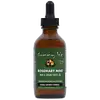 Key Ingredients
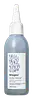
Benefits
Concerns
Ingredients Side-by-side
Ricinus Communis Seed Oil
Masking




Persea Gratissima Oil
Skin Conditioning

Vitis Vinifera Seed Oil
Emollient
Cocos Nucifera Oil
Masking

Aloe Barbadensis Leaf
Masking
Tocopherol
Antioxidant





Mentha Arvensis Leaf Oil
Masking
Rosmarinus Officinalis Leaf Oil
Masking
Biotin
AntiseborrhoeicLavandula Angustifolia Oil
Masking

Eucalyptus Globulus Leaf Oil
Perfuming
Glycine Soja Oil
Emollient
Simmondsia Chinensis Seed Oil
Emollient
Melaleuca Alternifolia Leaf Oil
Antioxidant

Triticum Vulgare Germ Oil
Emollient
Carthamus Tinctorius Seed Oil
Masking
Prunus Amygdalus Dulcis Oil
Skin Conditioning
Oenothera Biennis Oil
Emollient
Equisetum Arvense Extract
AstringentOryza Sativa Bran Oil
Emollient
Arctium Lappa Root Extract
Skin Conditioning
Glycerin
Humectant
Apium Graveolens Seed Extract
Antioxidant
Ascorbic Acid
Antioxidant

Ocimum Basilicum Oil
Masking
Pogostemon Cablin Leaf Oil
Masking
Salvia Officinalis Oil
Masking
Urtica Dioica Extract
AstringentArgania Spinosa Kernel Oil
Emollient
Pimenta Officinalis Leaf Oil
Masking
Nigella Sativa Seed Oil
Emollient
Ricinus Communis Seed Oil, Persea Gratissima Oil, Vitis Vinifera Seed Oil, Cocos Nucifera Oil, Aloe Barbadensis Leaf, Tocopherol, Mentha Arvensis Leaf Oil, Rosmarinus Officinalis Leaf Oil, Biotin, Lavandula Angustifolia Oil, Eucalyptus Globulus Leaf Oil, Glycine Soja Oil, Simmondsia Chinensis Seed Oil, Melaleuca Alternifolia Leaf Oil, Triticum Vulgare Germ Oil, Carthamus Tinctorius Seed Oil, Prunus Amygdalus Dulcis Oil, Oenothera Biennis Oil, Equisetum Arvense Extract, Oryza Sativa Bran Oil, Arctium Lappa Root Extract, Glycerin, Apium Graveolens Seed Extract, Ascorbic Acid, Ocimum Basilicum Oil, Pogostemon Cablin Leaf Oil, Salvia Officinalis Oil, Urtica Dioica Extract, Argania Spinosa Kernel Oil, Pimenta Officinalis Leaf Oil, Nigella Sativa Seed Oil
Caprylic/Capric Triglyceride
Masking
Ricinus Communis Seed Oil
Masking
Vitis Vinifera Seed Oil
Emollient
Polyglyceryl-3 Polyricinoleate
Emulsifying
Rosmarinus Officinalis Leaf Oil
Masking
Cocos Nucifera Oil
Masking
Olea Europaea Fruit Oil
Masking
Persea Gratissima Oil
Skin Conditioning
Ceramide Ng
Skin Conditioning
Biotin
AntiseborrhoeicAdansonia Digitata Seed Oil
Emollient
Helianthus Annuus Seed Oil
Emollient
Bisabolol
Antioxidant
Tocopherol
Antioxidant
Melaleuca Alternifolia Leaf Oil
Antioxidant
Glycerin
Humectant
Lauric Acid
Cleansing
Glyceryl Laurate
Emollient
Ethylhexylglycerin
Skin ConditioningCharcoal Powder
Abrasive
Caprylic/Capric Triglyceride, Ricinus Communis Seed Oil, Vitis Vinifera Seed Oil, Polyglyceryl-3 Polyricinoleate, Rosmarinus Officinalis Leaf Oil, Cocos Nucifera Oil, Olea Europaea Fruit Oil, Persea Gratissima Oil, Ceramide Ng, Biotin, Adansonia Digitata Seed Oil, Helianthus Annuus Seed Oil, Bisabolol, Tocopherol, Melaleuca Alternifolia Leaf Oil, Glycerin, Lauric Acid, Glyceryl Laurate, Ethylhexylglycerin, Charcoal Powder
Reviews
Ingredients Explained
These ingredients are found in both products.
Ingredients higher up in an ingredient list are typically present in a larger amount.
Biotin is a B vitamin that is naturally produced by our bodies. It is also called Vitamin H.
Our bodies use biotin in the metabolism process. It also helps our bodies use enzymes and move nutrients around. A biotin deficiency can lead to brittle hair and nails.
More research is needed on applying biotin topically. However, taking biotin orally has been shown to help nourish the skin, hair, and nails. They play a role in forming skin-hydrating fatty acids.
Biotin is water-soluble. It can be found in foods such as fish, eggs, dairy, nuts, and meat. Vitamin H stands for "haar" and "haut". These are the German words for hair and skin.
Learn more about BiotinThis ingredient is also known as coconut oil. It is a plant-derived ingredient with skin conditioning properties.
The fatty acid profile of coconut oil is mostly lauric acid (~54%), followed by capric, caprylic, palmitic, and myristic acids. This profile allows it to penetrate easily into skin, moisturize, and improve dry skin.
A double-blind study confirmed that extra virgin coconut oil is as effective as mineral oil for treating very dry skin. Another study found it outperformed mineral oil for mild to moderate atopic dermatitis in children.
Another study from 2018 found that virgin coconut oil can soothe inflammation and boost key skin barrier proteins. Just know this evidence is still only from lab settings and not human trials.
It has also been shown to reduce Staphylococcus aureus, a bacteria that commonly overgrows in people with eczema.
Clinical testing shows very minimal skin irritation and no evidence of sensitization or phototoxicity.
Coconut oil gets flagged as a "fragrance" because it has a natural mild scent (not because it's a synthetic perfume). The European Cosmetic ingredient database also lists "perfuming" as a function of this ingredient.
Just so you know, the term "fragrance" is completely unregulated. Some brands still use botanical extracts or essential oils in their "fragrance-free" formulas, but regulatory databases technically classify these under "fragrance".
Coconut oil has a tiny and useless bit of natural SPF. Early lab studies clocked it around SPF 7-8 but a more recent study found the real number closer to SPF 1.2. It also offers no meaningful UVA protection (SPF only overs UVB rays).
The comedogenic rating of 4/5 means it has a high potential to clog pores; but it's worth noting that comedogenicity is highly individual and ratings cannot predict how an overall formula will behave on skin.
Since lauric acid is the dominant fatty acid, this ingredient may not be fungal acne safe. The Malassezia yeast feeds on fatty acids with carbon chain lengths between 11-24, and lauric acid falls within these lengths (C12).
Learn more about Cocos Nucifera OilGlycerin (or glycerol) is a compound naturally found in your skin. It's a powerhouse humectant that pulls water into the stratum corneum.
Topically, glycerin does several things at once:
Your skin makes glycerin on its own (mostly from sebaceous oil breakdown) and shuttles it to your outermost layer of skin, or your epidermis, via aquaporin-3.
Aquaporin-3 is a transporter that is essential for normal skin hydration, elasticity, and repair. Interestingly, mice lacking in AQP3 have dry and less elastic skin that can be fully corrected with glycerin.
This ingredient is non-irritating, plays well with almost every ingredient, and works across all skin types. Typical use is anywhere between 3-10% but can go up to 79% in some leave-on products.
Just know very high concentrations (>40%) can feel tacky in low humidity.
Glycerin is the name for this ingredient in American English. British English uses Glycerol/Glycerine.
Learn more about GlycerinThis ingredient is also known as tea tree oil. It has antioxidant, anti-inflammatory, and antimicrobial properties.
Tea tree oil is a complex lipophilic (fat-loving) oil that contains around 100 compounds with terpinen-4-ol being the most abundant (~40%).
Terpinen-4-ol is responsible for tea tree oil's broad-spectrum antimicrobial activity and makes it a well-researched option for acne.
Clinical studies support 5% tea tree oil as an effective topical treatment for mild to moderate acne. A study with 124 patients compared 5% tea tree oil gel to 5% benzoyl peroxide and both reduced acne (though tea tree oil worked more slowly).
Besides acne, it is also seen in anti-dandruff shampoos and scalp treatments for it's antimicrobial and anti-seborrheic properties.
Safety-wise, the allergic potential of low concentrations on healthy skin is considered low. However, oxidized (old or improperly stored) tea tree oil is a stronger sensitizer.
Irritation can also occur if using the undiluted oil on skin; it's best to use this ingredient as part of a carefully crafted cosmetic formula. This is because regulations require tea tree oil in cosmetics to be stabilized to prevent degradation.
This ingredient has been deemed safe up to 2% in shampoo, 1% in cleansers, and 0.1% in face cream by the EU's Scientific Committee on Consumer Safety (SCCS).
There is some lab evidence that tea tree oil is antifungal against Malassezia, but it is a supportive option at best and not a replacement for proven antifungal treatments.
Learn more about Melaleuca Alternifolia Leaf OilThis ingredient is also known as Avocado oil. It's the cold-pressed oil from the flesh of the avocado fruit packed with fatty acids (mostly oleic acid).
The rich fatty acid profile allows it to function as a skin conditioning agent and emollient; it helps soften and smooth skin while reducing water loss.
Preclinical research has found that topical avocado oil increased collagen synthesis and reduced inflammation during wound healing, giving it some skin-repairing credibility.
The unsaponifiable fraction of the oil is also interesting: studies on avocado unsaponifiables showed that it helped skin produce more collagen and other structural compounds that support healing.
The CIR Expert Panel has found this ingredient to be non-irritating in formulations.
This ingredient may not be fungal acne safe. This is because the oleic acid content falls within the range that Malassezia can use as a food source.
This ingredient does have a comedogenic rating of 0-3, but this doesn't mean a formula with this ingredient will clog pores. Human testing has proved that any finished product with a comedogenic ingredient won't automatically make you break out; it really comes down to concentration, formula, and your skin.
Learn more about Persea Gratissima OilThis ingredient is also known as castor oil. It is a skin conditioning ingredient.
The star component of castor oil is ricinoleic acid, an unusual fatty acid that makes up ~80-92% of its composition.
In skincare, it is an emollient that dries down to a solid film with water-binding properties. This helps keep skin hydrated and helps reduce transepidermal water loss (TEWL).
A 2026 dermatology review pulls together its broader uses:
Human clinical testing found this ingredient to be non-irritating and non-sensitizing.
Because castor oil contains fatty acids in the C11-24 range, this ingredient may not be fungal acne safe.
At this time, the literature does not support castor oil in regrowing hair. A 2022 systematic review found no strong evidence that it supports hair growth and only weak evidence that it improves hair shine.
Castor oil itself carries "perfuming" and "masking" function tags according to the official CosIng database. This is because of its mild odor and odor-dampening properties.
Learn more about Ricinus Communis Seed OilRosmarinus Officinalis Leaf Oil is an essential oil also known as rosemary essential oil. In skincare, it is a skin conditioning agent and also acts as a natural fragrance that gives products a fresh/herby smell.
The oil is a mix of over 100 volatile compounds with 1,8-cineole, α-pinene, camphor, and verbenone usually leading the pack.
Lab studies credit this oil with antioxidant, anti-inflammatory, and antimicrobial activity. Some research even show rosemary compounds calming acne-related inflammation.
The Cosmetic Ingredient Review (CIR) has concluded rosemary-derived ingredients to be safe when formulated to be nonsensitizing.
Since this is a fragrant essential oil, the main concern is for fragrance-sensitive folks.
Learn more about Rosmarinus Officinalis Leaf OilTocopherol is a fat-soluble antioxidant known as Vitamin E.
You'll find this ingredient in the vast majority of skincare (for good reason). It works to neutralize free radicals, or unstable molecules generated by UV exposure, pollution, and other environmental stressors, before they can cause oxidative damage to your skin cells.
Topically applied tocopherol has been shown to protect against UV damage by ramping up the skin's own natural defense enzymes.
It also acts as a skin conditioning agent; some studies show that regular topical use can improve the skin's water-binding capacity over 2-4 weeks.
This ingredient is especially loved for being a team player. When combined with Vitamin C, the photoprotective effect of both ingredients roughly doubles and the combo also helps reduce UV-induced DNA damage.
This ingredient has some brightening potential but it's more of a prevention ingredient than spot-fader. Cell studies show it can slow down melanin production but it's worth noting that it's not the most powerful brightener out there.
In formulations, it also serves as a stabilizer that helps protect other oxidation-prone ingredients from degrading.
Concentrations usually range from 0.1-1% in most leave-on products.
Learn more about TocopherolVitis Vinifera Seed Oil comes from the grape vine. Grape seeds are a byproduct of creating grape juice or wine.
The components of grape seeds have many skin benefits. Research has found it to be antimicrobial and anti-inflammatory. It also contains many potent antioxidants such as Vitamin E , Vitamin C, proanthocyanidins, polyphenols, flavonoids, and anthocyanins. Proanthocyanidin has been shown to help even out skin tone.
Antioxidants help fight free-radical molecules. Free-radical molecules are capable of damaging our cells and other genetic material. Antioxidants help stabilize free-radicals by donating extra electrons. Grape seed extract may help reduce the signs of aging.
The antimicrobial properties of grape seed may help treat acne. However, more research is needed to support this claim.
Grape seed has also been found to help absorb UV rays. Grape seed extract should not replace your sunscreen.
The fatty acids of grape seed oil give it emollient properties. Emollients help soothe and soften your skin by creating a film. This film traps moisture within, keeping your skin hydrated.
Learn more about Vitis Vinifera Seed Oil

