
What's inside
What's inside
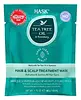 Key Ingredients
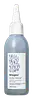
Benefits
Concerns
Ingredients Side-by-side
Water
Skin ConditioningCetearyl Alcohol
Emollient






Stearyl Alcohol
Emollient
Cetrimonium Chloride
Antimicrobial
Quaternium-18
SurfactantMelaleuca Alternifolia Leaf Oil
Antioxidant






Rosmarinus Officinalis Leaf
Skin ConditioningSodium Lauroyl Oat Amino Acids
CleansingLinum Usitatissimum Seed Oil
Perfuming
Menthol
Masking

Silk Amino Acids
HumectantHydrolyzed Keratin
Humectant
Hydrolyzed Collagen
Emollient
Glycerin
Humectant

Ethylhexylglycerin
Skin ConditioningIsopropyl Palmitate
Emollient
Panthenyl Hydroxypropyl Steardimonium Chloride
Tetrasodium EDTA
ChelatingPhenoxyethanol
Preservative
Citric Acid
Buffering

Potassium Sorbate
Preservative
Sodium PCA
Humectant
Chlorphenesin
Antimicrobial
Sodium Benzoate
Masking
Benzyl Alcohol
Perfuming

Parfum
Masking
Limonene
Perfuming
Linalool
Perfuming
Water, Cetearyl Alcohol, Stearyl Alcohol, Cetrimonium Chloride, Quaternium-18, Melaleuca Alternifolia Leaf Oil, Rosmarinus Officinalis Leaf, Sodium Lauroyl Oat Amino Acids, Linum Usitatissimum Seed Oil, Menthol, Silk Amino Acids, Hydrolyzed Keratin, Hydrolyzed Collagen, Glycerin, Ethylhexylglycerin, Isopropyl Palmitate, Panthenyl Hydroxypropyl Steardimonium Chloride, Tetrasodium EDTA, Phenoxyethanol, Citric Acid, Potassium Sorbate, Sodium PCA, Chlorphenesin, Sodium Benzoate, Benzyl Alcohol, Parfum, Limonene, Linalool
Caprylic/Capric Triglyceride
Masking
Ricinus Communis Seed Oil
Masking
Vitis Vinifera Seed Oil
Emollient
Polyglyceryl-3 Polyricinoleate
Emulsifying
Rosmarinus Officinalis Leaf Oil
Masking
Cocos Nucifera Oil
Masking
Olea Europaea Fruit Oil
Masking
Persea Gratissima Oil
Skin Conditioning
Ceramide Ng
Skin Conditioning
Biotin
AntiseborrhoeicAdansonia Digitata Seed Oil
Emollient
Helianthus Annuus Seed Oil
Emollient
Bisabolol
Antioxidant
Tocopherol
Antioxidant

Melaleuca Alternifolia Leaf Oil
Antioxidant
Glycerin
Humectant
Lauric Acid
Cleansing
Glyceryl Laurate
Emollient
Ethylhexylglycerin
Skin ConditioningCharcoal Powder
Abrasive
Caprylic/Capric Triglyceride, Ricinus Communis Seed Oil, Vitis Vinifera Seed Oil, Polyglyceryl-3 Polyricinoleate, Rosmarinus Officinalis Leaf Oil, Cocos Nucifera Oil, Olea Europaea Fruit Oil, Persea Gratissima Oil, Ceramide Ng, Biotin, Adansonia Digitata Seed Oil, Helianthus Annuus Seed Oil, Bisabolol, Tocopherol, Melaleuca Alternifolia Leaf Oil, Glycerin, Lauric Acid, Glyceryl Laurate, Ethylhexylglycerin, Charcoal Powder
Reviews
Ingredients Explained
These ingredients are found in both products.
Ingredients higher up in an ingredient list are typically present in a larger amount.
Ethylhexylglycerin is created from glycerin. It is a multitasker ingredient that:
The CIR Expert Panel found minimal skin absorption or sensitization of any kind in a safety assessment. Though this ingredient is considered well-tolerated, a small number of cases of allergic dermatitis have been published since 2002. Just be sure to patch test if you are unsure.
Industry-reported use ranges from 8% in rinse-off products and 2% in leave-on formulations.
Learn more about EthylhexylglycerinGlycerin (or glycerol) is a compound naturally found in your skin. It's a powerhouse humectant that pulls water into the stratum corneum.
Topically, glycerin does several things at once:
Your skin makes glycerin on its own (mostly from sebaceous oil breakdown) and shuttles it to your outermost layer of skin, or your epidermis, via aquaporin-3.
Aquaporin-3 is a transporter that is essential for normal skin hydration, elasticity, and repair. Interestingly, mice lacking in AQP3 have dry and less elastic skin that can be fully corrected with glycerin.
This ingredient is non-irritating, plays well with almost every ingredient, and works across all skin types. Typical use is anywhere between 3-10% but can go up to 79% in some leave-on products.
Just know very high concentrations (>40%) can feel tacky in low humidity.
Glycerin is the name for this ingredient in American English. British English uses Glycerol/Glycerine.
Learn more about GlycerinThis ingredient is also known as tea tree oil. It has antioxidant, anti-inflammatory, and antimicrobial properties.
Tea tree oil is a complex lipophilic (fat-loving) oil that contains around 100 compounds with terpinen-4-ol being the most abundant (~40%).
Terpinen-4-ol is responsible for tea tree oil's broad-spectrum antimicrobial activity and makes it a well-researched option for acne.
Clinical studies support 5% tea tree oil as an effective topical treatment for mild to moderate acne. A study with 124 patients compared 5% tea tree oil gel to 5% benzoyl peroxide and both reduced acne (though tea tree oil worked more slowly).
Besides acne, it is also seen in anti-dandruff shampoos and scalp treatments for it's antimicrobial and anti-seborrheic properties.
Safety-wise, the allergic potential of low concentrations on healthy skin is considered low. However, oxidized (old or improperly stored) tea tree oil is a stronger sensitizer.
Irritation can also occur if using the undiluted oil on skin; it's best to use this ingredient as part of a carefully crafted cosmetic formula. This is because regulations require tea tree oil in cosmetics to be stabilized to prevent degradation.
This ingredient has been deemed safe up to 2% in shampoo, 1% in cleansers, and 0.1% in face cream by the EU's Scientific Committee on Consumer Safety (SCCS).
There is some lab evidence that tea tree oil is antifungal against Malassezia, but it is a supportive option at best and not a replacement for proven antifungal treatments.
Learn more about Melaleuca Alternifolia Leaf Oil

