
What's inside
What's inside
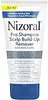 Key Ingredients
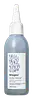
Benefits
Concerns
Ingredients Side-by-side
Water
Skin ConditioningCetearyl Alcohol
Emollient






Hydrated Silica
Abrasive
Acrylates Copolymer
Behentrimonium Chloride
Preservative
Ceteareth-20
Cleansing
Cocos Nucifera Oil
Masking


Lactic Acid
Buffering








Cocamidopropyl Betaine
Cleansing
Sodium Cocoamphoacetate
CleansingGlycerin
Humectant
Panthenol
Skin Conditioning

Allantoin
Skin Conditioning
Arginine
Masking
Camellia Sinensis Leaf Extract
Antimicrobial
Ascorbic Acid
Antioxidant
Xanthan Gum
EmulsifyingParfum
Masking
Phenoxyethanol
Preservative
Ethylhexylglycerin
Skin ConditioningDisodium EDTA
ChelatingWater, Cetearyl Alcohol, Hydrated Silica, Acrylates Copolymer, Behentrimonium Chloride, Ceteareth-20, Cocos Nucifera Oil, Lactic Acid, Cocamidopropyl Betaine, Sodium Cocoamphoacetate, Glycerin, Panthenol, Allantoin, Arginine, Camellia Sinensis Leaf Extract, Ascorbic Acid, Xanthan Gum, Parfum, Phenoxyethanol, Ethylhexylglycerin, Disodium EDTA
Caprylic/Capric Triglyceride
Masking
Ricinus Communis Seed Oil
Masking
Vitis Vinifera Seed Oil
Emollient
Polyglyceryl-3 Polyricinoleate
Emulsifying
Rosmarinus Officinalis Leaf Oil
Masking
Cocos Nucifera Oil
Masking
Olea Europaea Fruit Oil
Masking
Persea Gratissima Oil
Skin Conditioning
Ceramide Ng
Skin Conditioning
Biotin
AntiseborrhoeicAdansonia Digitata Seed Oil
Emollient
Helianthus Annuus Seed Oil
Emollient
Bisabolol
Antioxidant
Tocopherol
Antioxidant
Melaleuca Alternifolia Leaf Oil
Antioxidant

Glycerin
Humectant
Lauric Acid
Cleansing
Glyceryl Laurate
Emollient
Ethylhexylglycerin
Skin ConditioningCharcoal Powder
Abrasive
Caprylic/Capric Triglyceride, Ricinus Communis Seed Oil, Vitis Vinifera Seed Oil, Polyglyceryl-3 Polyricinoleate, Rosmarinus Officinalis Leaf Oil, Cocos Nucifera Oil, Olea Europaea Fruit Oil, Persea Gratissima Oil, Ceramide Ng, Biotin, Adansonia Digitata Seed Oil, Helianthus Annuus Seed Oil, Bisabolol, Tocopherol, Melaleuca Alternifolia Leaf Oil, Glycerin, Lauric Acid, Glyceryl Laurate, Ethylhexylglycerin, Charcoal Powder
Reviews
Ingredients Explained
These ingredients are found in both products.
Ingredients higher up in an ingredient list are typically present in a larger amount.
This ingredient is also known as coconut oil. It is a plant-derived ingredient with skin conditioning properties.
The fatty acid profile of coconut oil is mostly lauric acid (~54%), followed by capric, caprylic, palmitic, and myristic acids. This profile allows it to penetrate easily into skin, moisturize, and improve dry skin.
A double-blind study confirmed that extra virgin coconut oil is as effective as mineral oil for treating very dry skin. Another study found it outperformed mineral oil for mild to moderate atopic dermatitis in children.
Another study from 2018 found that virgin coconut oil can soothe inflammation and boost key skin barrier proteins. Just know this evidence is still only from lab settings and not human trials.
It has also been shown to reduce Staphylococcus aureus, a bacteria that commonly overgrows in people with eczema.
Clinical testing shows very minimal skin irritation and no evidence of sensitization or phototoxicity.
Coconut oil gets flagged as a "fragrance" because it has a natural mild scent (not because it's a synthetic perfume). The European Cosmetic ingredient database also lists "perfuming" as a function of this ingredient.
Just so you know, the term "fragrance" is completely unregulated. Some brands still use botanical extracts or essential oils in their "fragrance-free" formulas, but regulatory databases technically classify these under "fragrance".
Coconut oil has a tiny and useless bit of natural SPF. Early lab studies clocked it around SPF 7-8 but a more recent study found the real number closer to SPF 1.2. It also offers no meaningful UVA protection (SPF only overs UVB rays).
The comedogenic rating of 4/5 means it has a high potential to clog pores; but it's worth noting that comedogenicity is highly individual and ratings cannot predict how an overall formula will behave on skin.
Since lauric acid is the dominant fatty acid, this ingredient may not be fungal acne safe. The Malassezia yeast feeds on fatty acids with carbon chain lengths between 11-24, and lauric acid falls within these lengths (C12).
Learn more about Cocos Nucifera OilEthylhexylglycerin is created from glycerin. It is a multitasker ingredient that:
The CIR Expert Panel found minimal skin absorption or sensitization of any kind in a safety assessment. Though this ingredient is considered well-tolerated, a small number of cases of allergic dermatitis have been published since 2002. Just be sure to patch test if you are unsure.
Industry-reported use ranges from 8% in rinse-off products and 2% in leave-on formulations.
Learn more about EthylhexylglycerinGlycerin (or glycerol) is a compound naturally found in your skin. It's a powerhouse humectant that pulls water into the stratum corneum.
Topically, glycerin does several things at once:
Your skin makes glycerin on its own (mostly from sebaceous oil breakdown) and shuttles it to your outermost layer of skin, or your epidermis, via aquaporin-3.
Aquaporin-3 is a transporter that is essential for normal skin hydration, elasticity, and repair. Interestingly, mice lacking in AQP3 have dry and less elastic skin that can be fully corrected with glycerin.
This ingredient is non-irritating, plays well with almost every ingredient, and works across all skin types. Typical use is anywhere between 3-10% but can go up to 79% in some leave-on products.
Just know very high concentrations (>40%) can feel tacky in low humidity.
Glycerin is the name for this ingredient in American English. British English uses Glycerol/Glycerine.
Learn more about Glycerin

